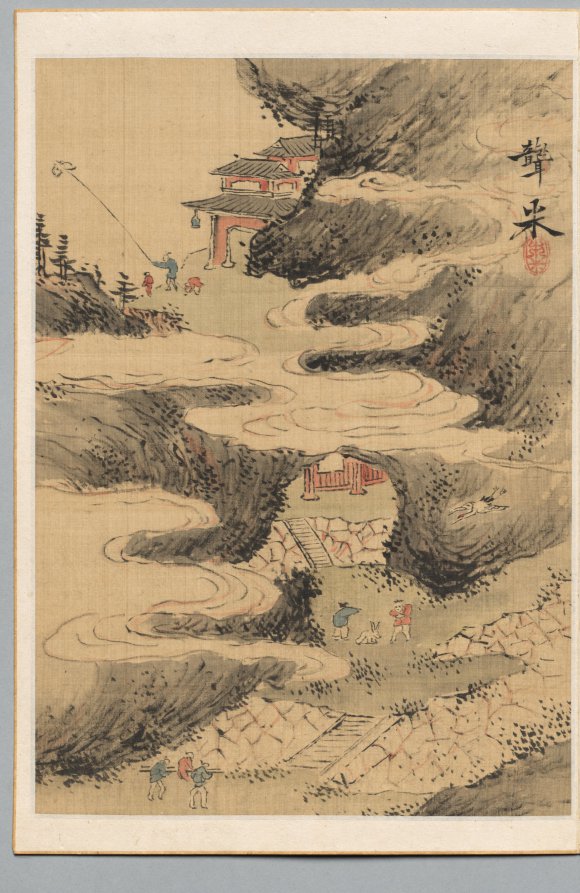
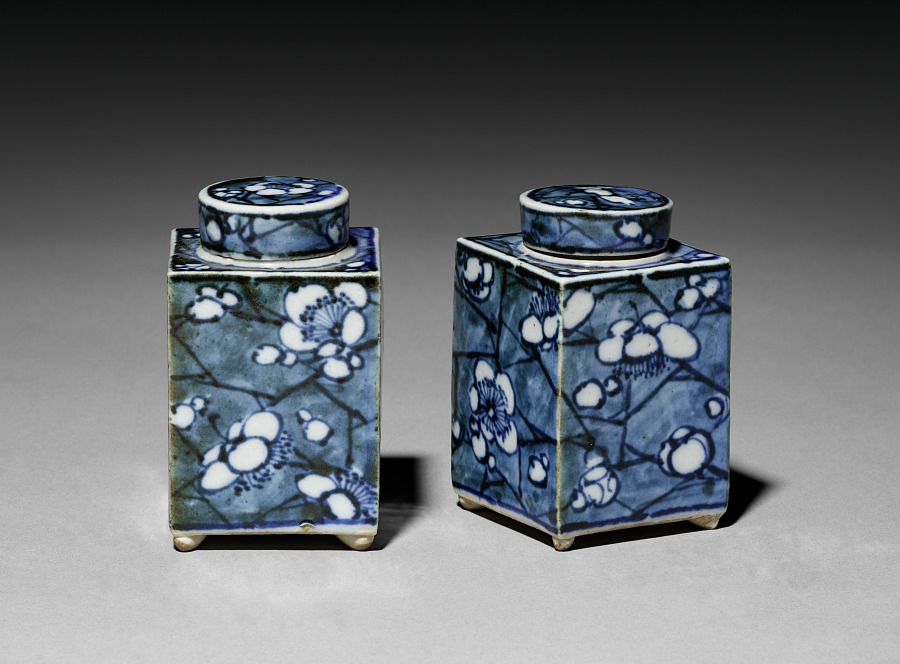
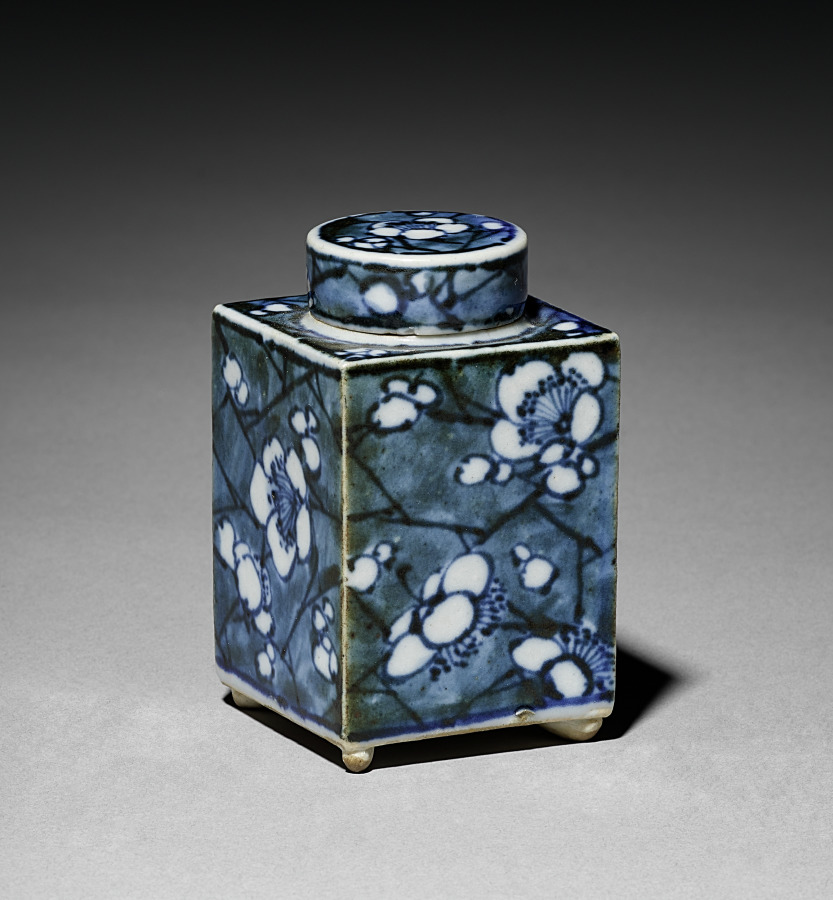
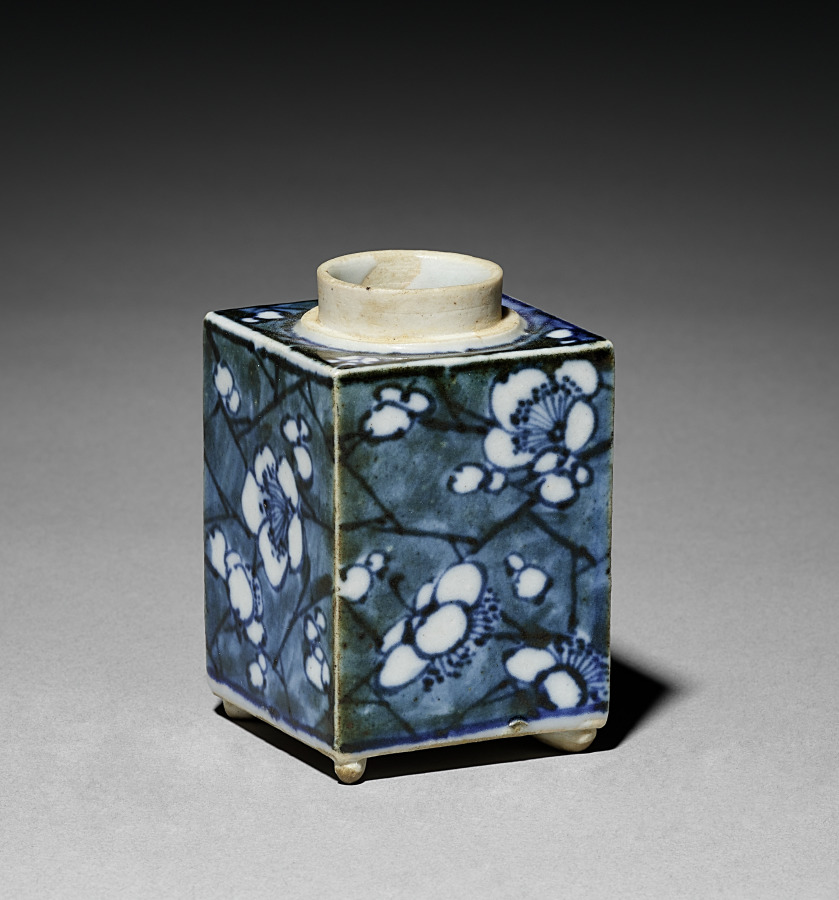
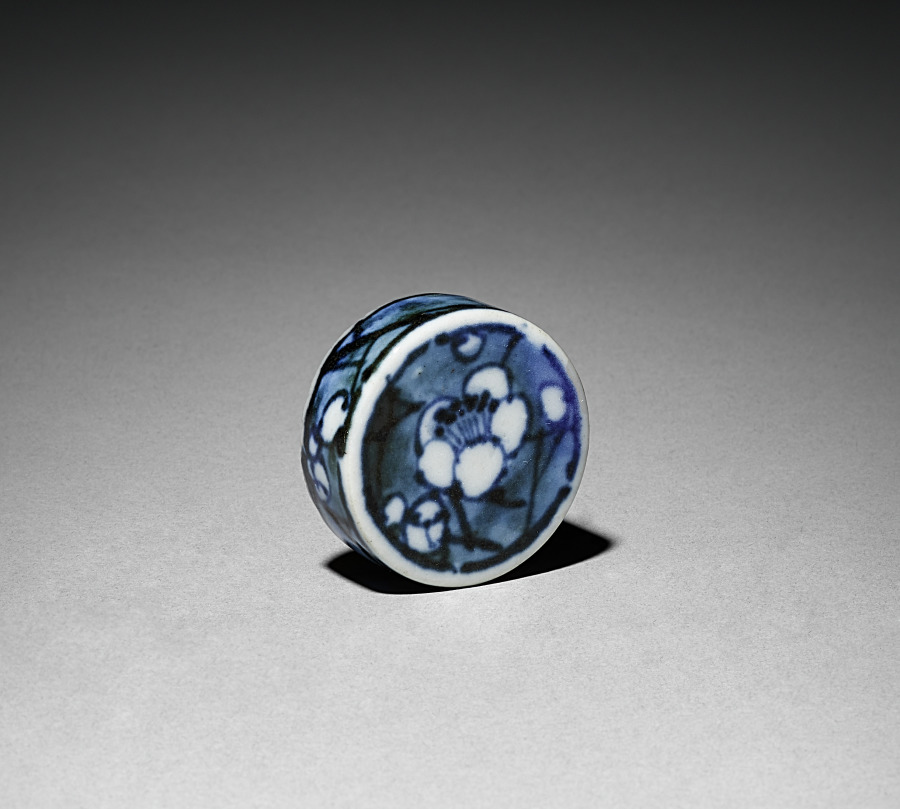
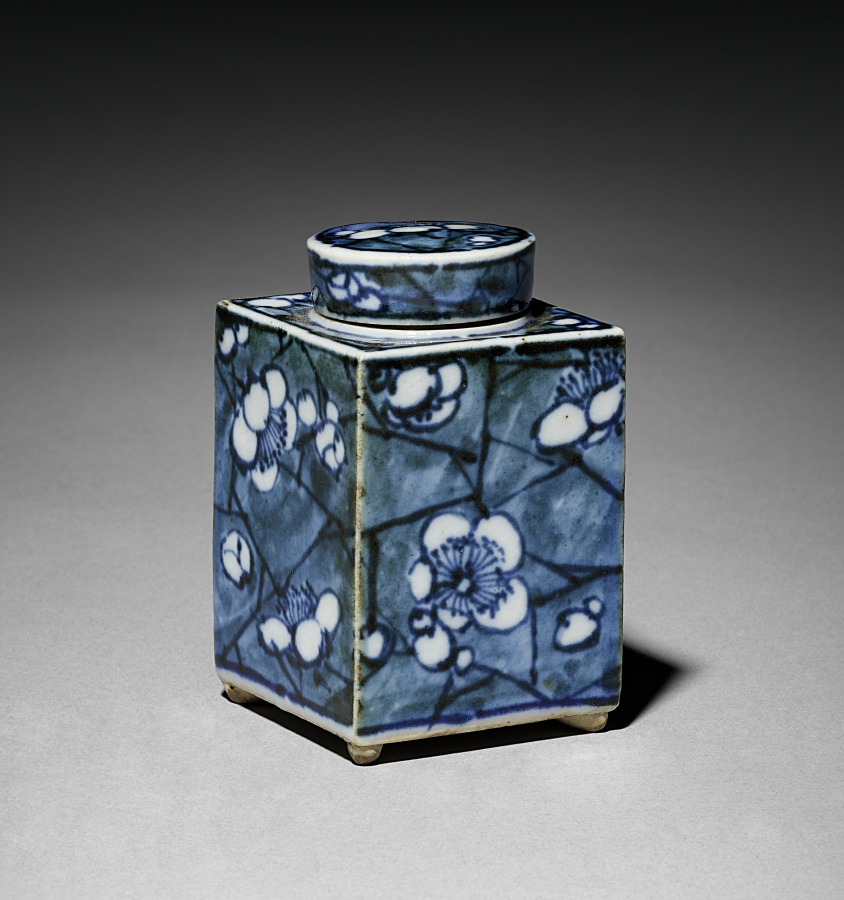
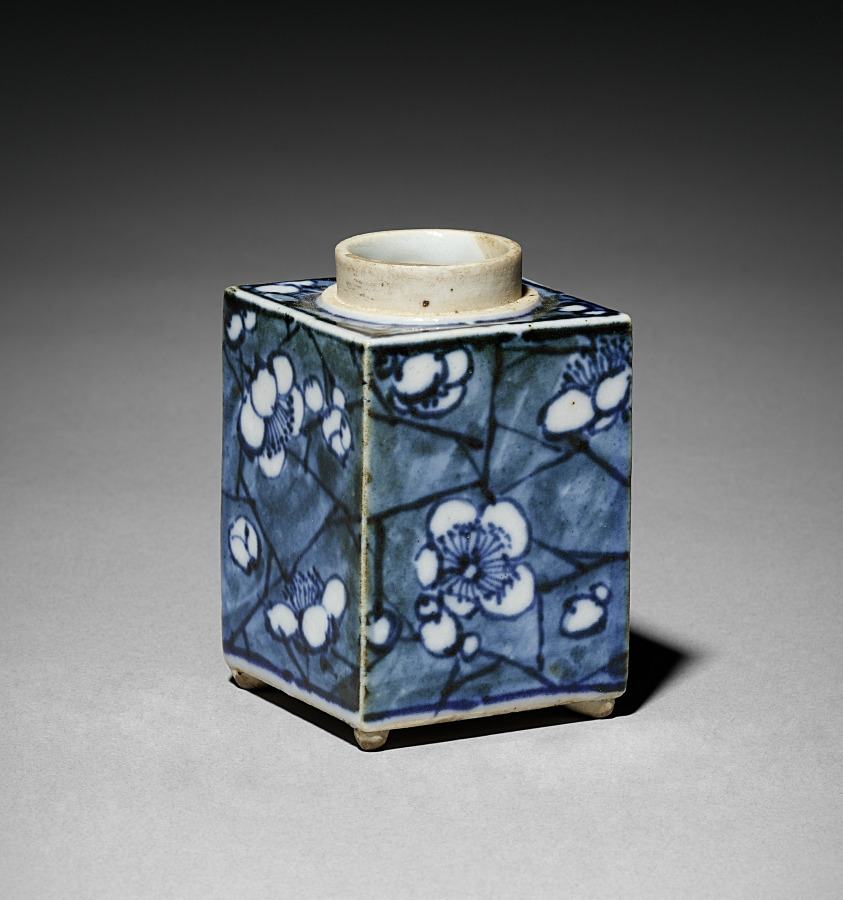
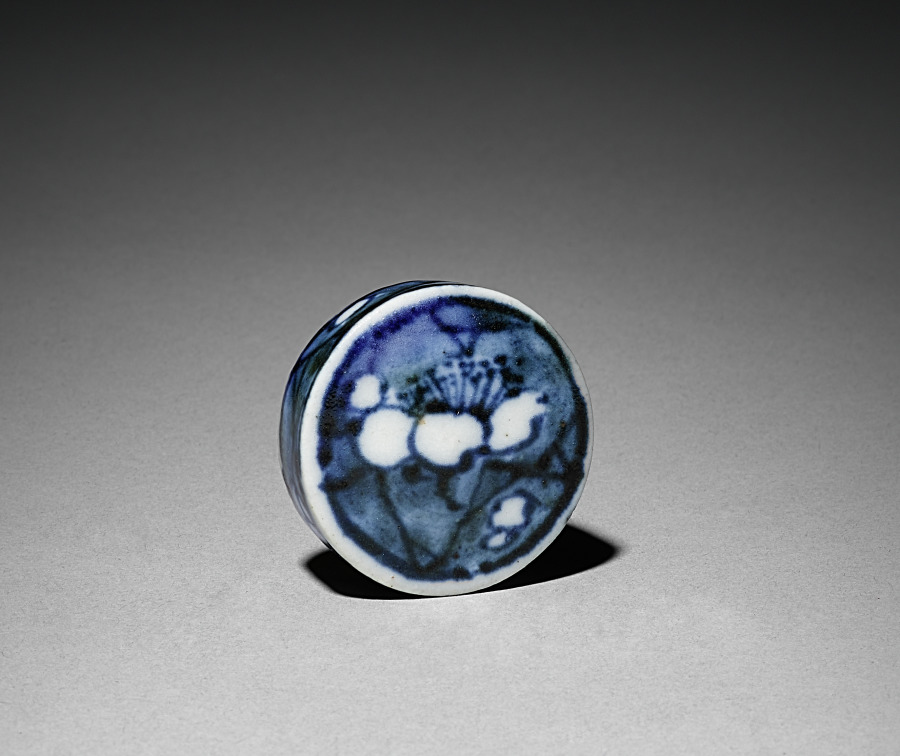
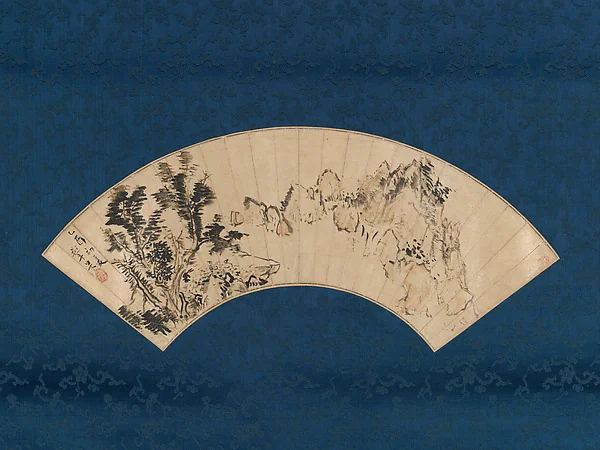
Aoki Mokubei
Pottery and porcelain (陶磁器, tōjiki; also yakimono (焼きもの), or tōgei (陶芸)) is one of the oldest Japanese crafts and art forms, dating back to the Neolithic period. Types have included earthenware, pottery, stoneware, porcelain, and blue-and-white ware. Japan has an exceptionally long and successful history of ceramic production. Earthenwares were made as early as the Jōmon period (10,500–300 BC), giving Japan one of the oldest ceramic traditions in the world. Japan is further distinguished by the unusual esteem that ceramics hold within its artistic tradition, owing to the enduring popularity of the tea ceremony. During the Azuchi-Momoyama period (1573–1603), kilns throughout Japan produced ceramics with unconventional designs. In the early Edo period, the production of porcelain commenced in the Hizen-Arita region of Kyushu, employing techniques imported from Korea. These porcelain works became known as Imari wares, named after the port of Imari from which they were exported to various markets, including Europe. Japanese ceramic history records the names of numerous distinguished ceramists, and some were artist-potters, e.g. Hon'ami Kōetsu, Ninsei, Ogata Kenzan, and Aoki Mokubei. Japanese...
Read more on Wikipedia →