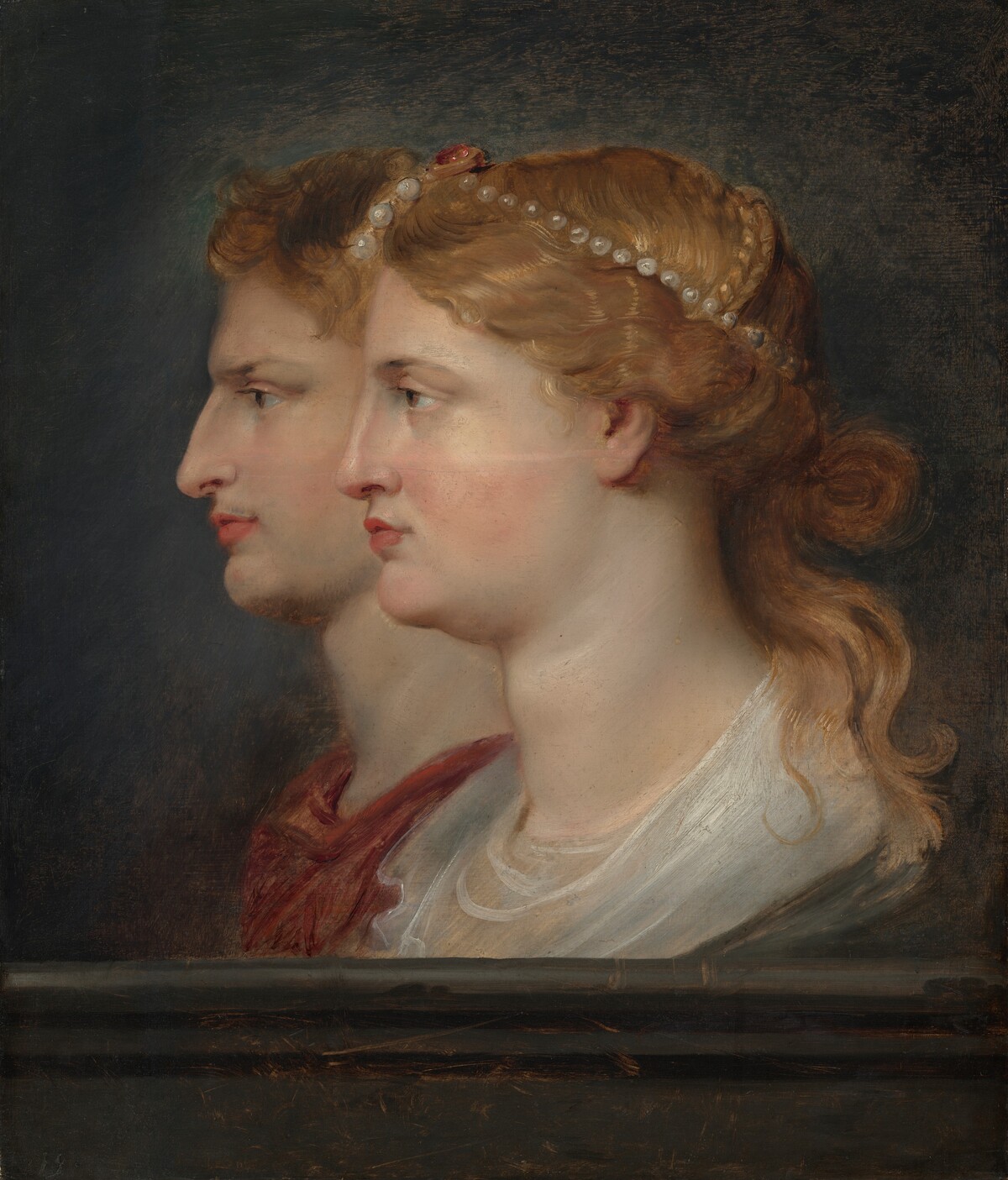
Provenance
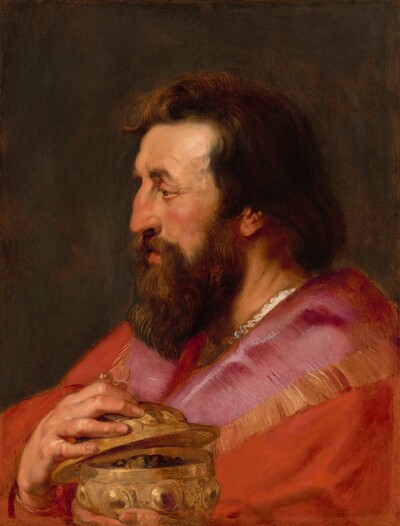
F. van Bredael; purchased 1710 by Prince Johann Adam Andreas of Liechtenstein [1657-1712], Vienna;[1] by descent through the Princes of Liechtenstein to Prince Franz Josef II von und zu Liechtenstein [1906-1989], Vienna, and later Vaduz, Liechstenstein;[2] purchased 25 October 1963 through (Feilchenfeldt, Zurich) by NGA.
[1] According to records from the Liechtenstein Collection in NGA curatorial files, the painting was purchased 26 August 1710 from the collection of "F. van Bredael." In the catalogue of the 1948 exhibition of works from the collection of the Princes of Liechtenstein, the name of the seller is given as Jean Pierre van Bredael, or Jan Peeter van Bredael, in Antwerp.
[2] Records from the Liechtenstein Collection in NGA curatorial files indicate that the painting, which came under export ban following the 1938 annexation of Austria by Nazi Germany, had been stored from 1940-1944 in the monastery at Gaming and then in 1945 sent to the salt mine at Lauffen bei Ischl before arriving in Vaduz, Liechtenstein, in April 1945. However, Gustav Wilhelm, the director of the Liechtenstein art collections, noted that works from the collection were sent to Gaming starting in February 1941 and that some were then sent to Lauffen starting in February 1945. See Gustav Wilhelm, _The Journey of the Liechtenstein Gallery from Vienna to Vaduz_, Munich, 2005:14, 48.
Accession Number
1963.8.1
Medium
oil on panel
Dimensions
overall: 66.4 × 57 cm (26 1/8 × 22 7/16 in.) | framed: 95.25 × 86 × 9.53 cm (37 1/2 × 33 7/8 × 3 3/4 in.)
Classification
Painting
Credit Line
Andrew W. Mellon Fund