Accession Number
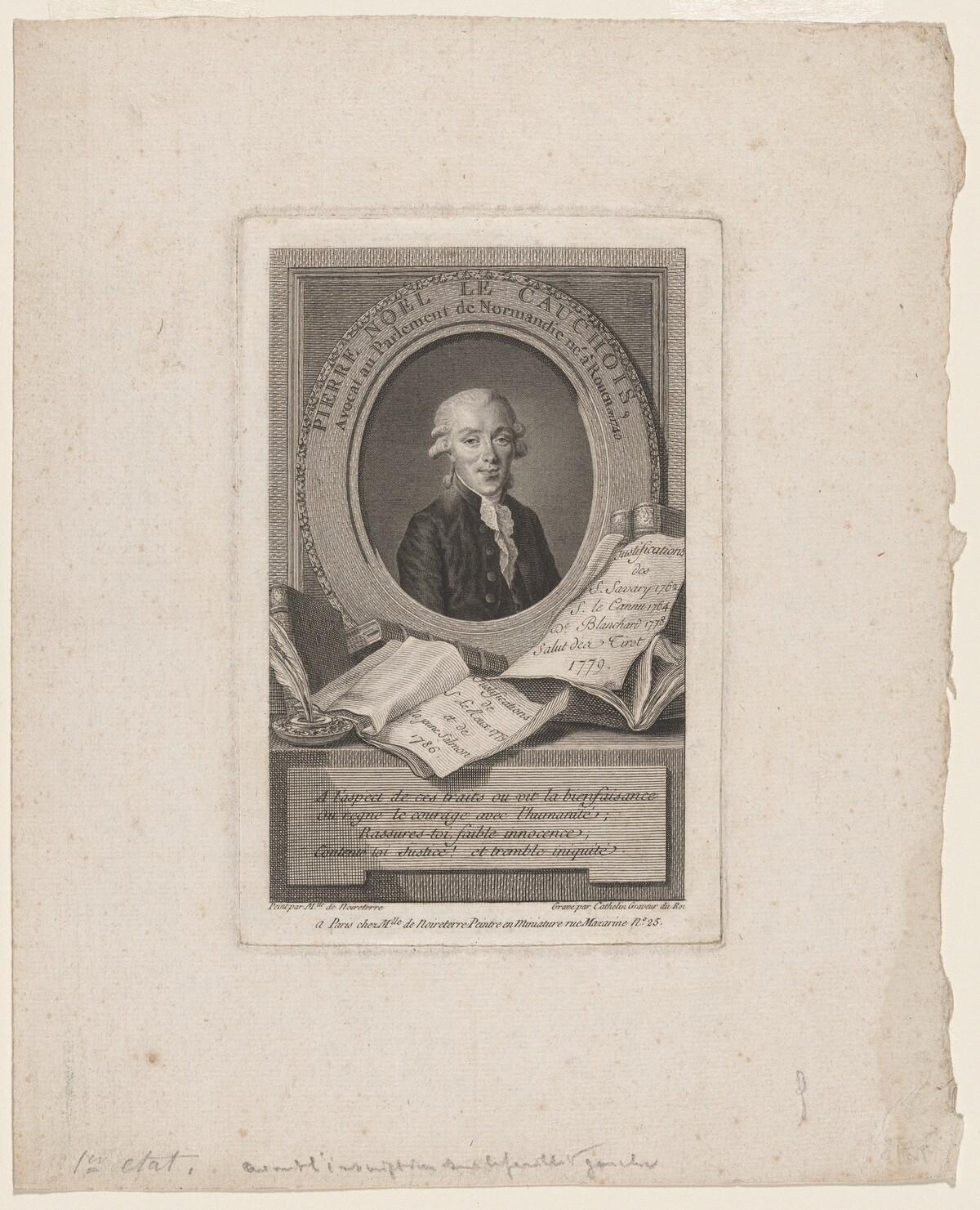
2012.122.7
Medium
engraving on laid paper
Dimensions
plate: 16.9 × 11.1 cm (6 5/8 × 4 3/8 in.) | sheet: 26.2 × 21.4 cm (10 5/16 × 8 7/16 in.)
Classification
Credit Line
Gift of John O'Brien
Background & Context
Background Story
Benjamin Barker's "Landscape with Farm Animals" is a representative work of the English pastoral tradition in watercolor, depicting a rural scene of livestock grazing in a gently rolling landscape. The painting combines the topographical precision of the English landscape watercolor tradition with the bucolic subject matter that defined the genre of the farm animal portrait — a category that was immensely popular in eighteenth- and nineteenth-century Britain.
Barker (1776–1838) was a member of the prolific Barker family of artists, based in Bath, who produced paintings of rural life and animal subjects for the thriving market of middle-class collectors. His brother Thomas Barker was also a well-known painter, and together they ran the Barker family studio that produced a steady stream of landscapes, genre scenes, and animal subjects. The Barkers occupied a middle ground in the British art world — too modest in ambition to challenge the academic painters who exhibited at the Royal Academy, but too skilled and professional to be dismissed as naive or folk artists.
The painting demonstrates the particular strengths of watercolor as a medium for landscape: the transparency of the washes allows light to filter through successive layers, creating the atmospheric effects of distance and weather that are central to the English landscape tradition. The farm animals — likely sheep and cattle, the stock subjects of the genre — are rendered with the anatomical accuracy that British collectors demanded, while the landscape setting provides the picturesque context that elevated animal painting from mere livestock cataloguing to the realm of art.
The period of Barker's activity (c. 1796-1838) coincided with the golden age of English watercolor painting, when artists including J.M.W. Turner, John Sell Cotman, and Thomas Girtin transformed watercolor from a tinted drawing medium into a vehicle for serious artistic expression. While Barker did not approach the revolutionary achievements of these masters, his work reflects the broader cultural significance of the rural landscape in British art and society — a significance that would only grow as the Industrial Revolution transformed the English countryside and created a nostalgic market for images of unspoiled rural life.
Cultural Impact
English pastoral watercolors like Barker's documented a rural way of life that was rapidly disappearing under the pressures of industrialization, creating a nostalgic visual archive that shaped British identity for generations.
Why It Matters
This pastoral watercolor exemplifies the English rural tradition — combining topographic observation with bucolic subject matter to create images of farm life that appealed to a growing middle-class market nostalgic for an idealized countryside.