Provenance
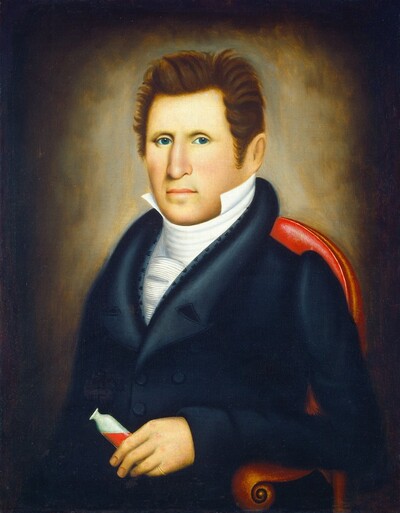
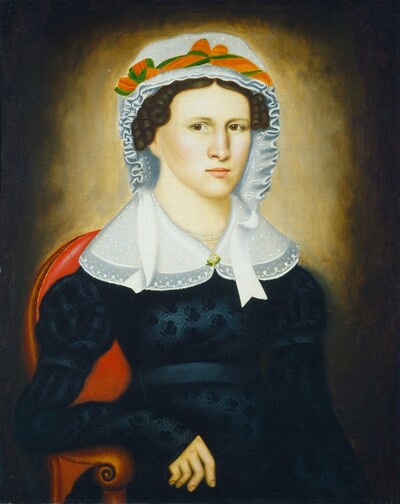
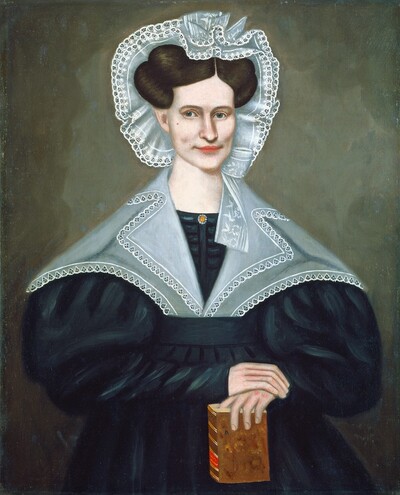
Descended in the Cooley family, Sunderland, Massachusetts, to Mrs. Esther Cooley Page.[1] (Robert Schuyler Tompkins, Sheffield, Massachusetts,) by whom sold in 1949 to Edgar William and Bernice Chrysler Garbisch; gift to NGA, 1964.
[1] The Cooleys were friends and neighbors of the artist when he lived in Plumtrees, Massachusetts. His studio was behind their home.
Accession Number
1964.23.3
Medium
oil on canvas
Dimensions
overall: 76.8 x 102.9 cm (30 1/4 x 40 1/2 in.) | framed: 95.2 x 121.9 x 6.3 cm (37 1/2 x 48 x 2 1/2 in.)
Classification
Painting
Credit Line
Gift of Edgar William and Bernice Chrysler Garbisch
Tags
Painting Impressionist & Modern (1851–1900) Oil Painting Canvas American
Background & Context
Background Story
He Turned Their Waters into Blood depicts the first of the Ten Plagues of Egypt, when God turned the Nile to blood to punish Pharaoh for refusing to free the Israelites. Field's treatment is characteristically direct: the Nile runs red with blood, the Egyptians react with horror, and the composition is organized with the narrative clarity of a medieval altarpiece rather than the spatial sophistication of academic painting. The date range of c. 1865-1880 places this in Field's mature period, when he was producing the biblical paintings that are his most distinctive contribution to American art.
Cultural Impact
Field's plagues of Egypt are among the most visually dramatic works of 19th-century American folk painting, combining the narrative clarity of medieval art with the vivid color and bold pattern of American folk tradition. The turning of the waters to blood is rendered with a directness that makes the divine punishment feel immediate and visceral rather than theological and abstract.
Why It Matters
He Turned Their Waters into Blood is Field's folk-art narrative at its most dramatic: the Nile turned to blood with the narrative clarity of a medieval altarpiece and the vivid color of American folk painting. The divine punishment is not theological abstraction but visual fact—the water is red, the Egyptians are horrified, and God's judgment is immediate.