Accession Number
229380
Medium
Chromogenic print; unique
Dimensions
153.7 × 99.1 cm (60 1/2 × 39 in.)
Classification
photograph
Credit Line
Gift of Edlis Neeson Collection
Background & Context
Background Story
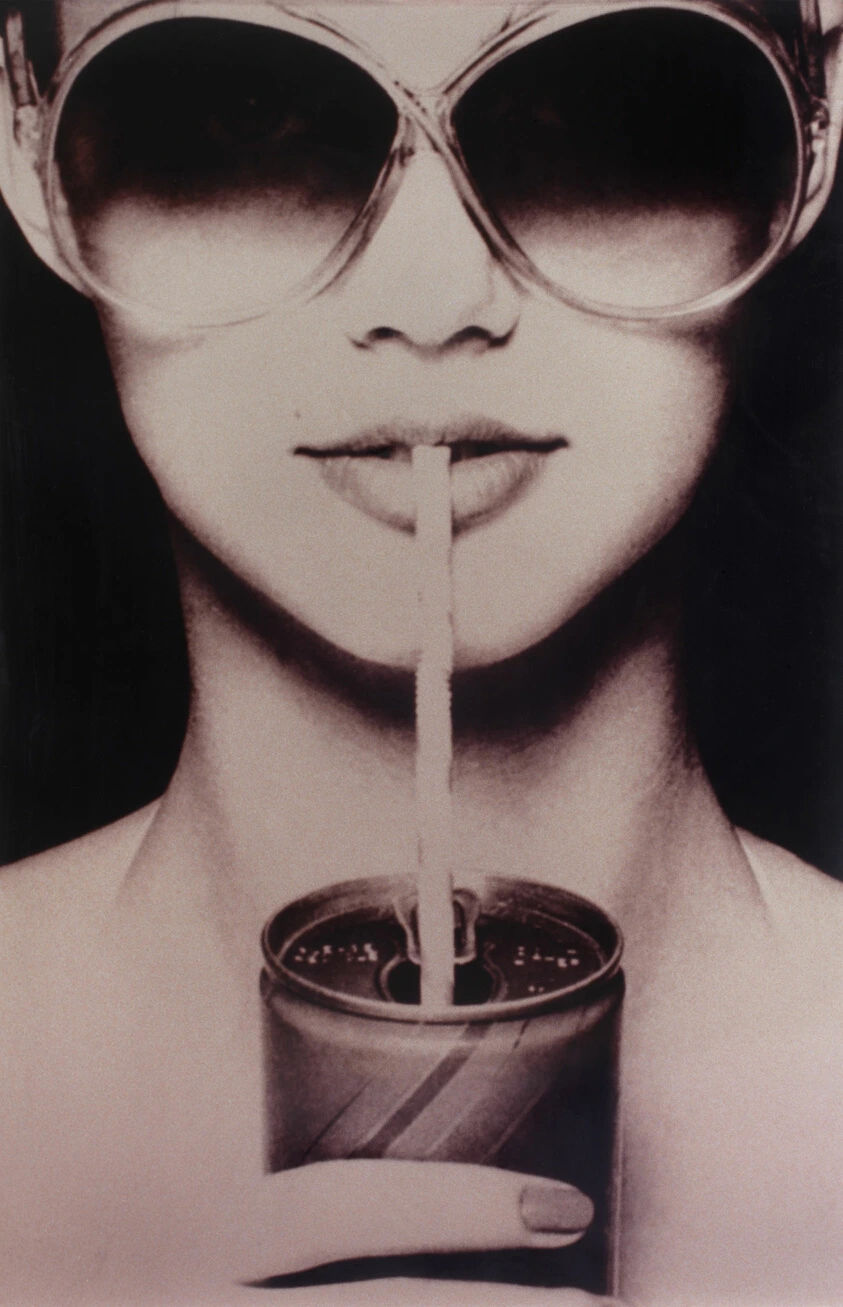
"Untitled (fashion)" is a 1982–84 chromogenic print by Richard Prince that captures the American artist in his most characteristic and controversial mode, the image showing a rephotographed fashion photograph with the same appropriation and transformation strategies that made Prince the defining artist of the Pictures Generation. The composition is a large chromogenic print—153.7 × 99.1 centimeters—showing a model or fashion image that Prince has rephotographed from a magazine or advertisement, the rephotography creating a surface of mechanical reproduction and aesthetic distance that questions the boundaries between original and copy, authorship and appropriation. The unique status of the print suggests that Prince was exploring the tension between the uniqueness of the art object and the reproducibility of the photographic medium, the single print becoming both a commodity and a critique of commodification. The 1982–84 date places this work in the period of Prince's most intensive production of the rephotographed fashion images, the series that established his reputation as the leading appropriation artist of the postmodern period. Art historians have connected this work to the broader tradition of the photographic appropriation in contemporary art, from the rephotographs of Sherrie Levine to the media images of Barbara Kruger, noting that Prince's treatment is more focused on the commercial and the aspirational content of the fashion image, the desire and the fantasy that the advertisement promotes.
Cultural Impact
This 1982–84 chromogenic unique print made fashion appropriation mechanically distant through large rephotographed model surface and commodity-critique tension, using Pictures Generation rephotography to explore original-copy desire-fantasy beyond Levine media-image appropriation.
Why It Matters
It matters because Prince stole a fashion photo and made it feel like it was asking permission to be beautiful—proving that even a copy could be an original if the appropriation was bold enough.


