Accession Number
80553
Medium
Oil on panel
Dimensions
73.7 × 59.1 cm (29 × 23 1/4 in.); Framed: 161 × 69.9 cm (63 3/8 × 27 1/2 in.)
Classification
Painting
Credit Line
Max and Leola Epstein collection
Background & Context
Background Story
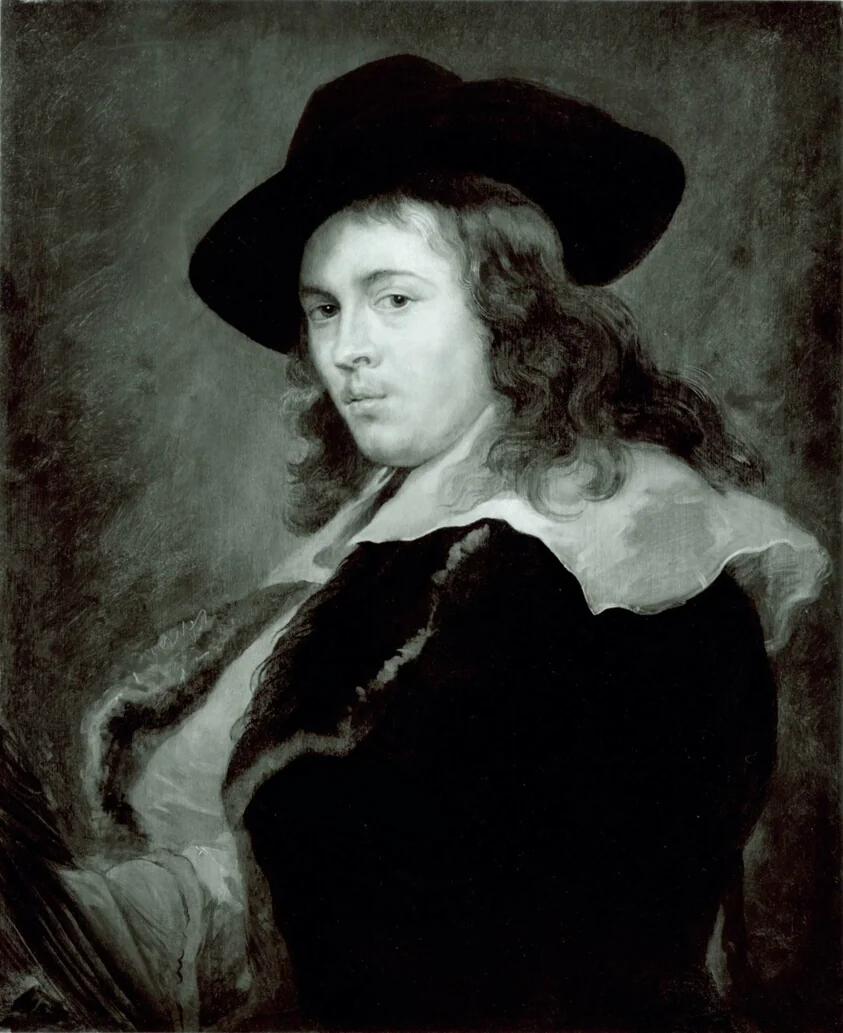
Peter Paul Rubens Nicolas Rubens, the Artists Son from around 1635 is an oil on panel portrait that exemplifies the Baroque masters approach to the portrayal of children, in which the energy, curiosity, and physical presence of the young sitter are rendered with the same compositional sophistication and painterly brilliance that distinguish his mythological and religious paintings. Nicolas, Rubens second son by his first wife Isabella Brant, is depicted at an age when his physical development and personality are sufficiently formed to be captured in a portrait that is both a record of his individual appearance and a celebration of childhood as a stage of life characterized by vitality and promise. The oil on panel medium, which Rubens preferred for portraits of this scale, provides the smooth surface and fine grain that allow for the precise modeling of the childs features while retaining the painterly quality that distinguishes his work from the more detailed and finished style of portrait specialists. The date of around 1635, during the period of Rubens diplomatic career and his second marriage to Hélène Fourment, places this portrait in the period when he was producing some of his most intimate and personal paintings, and the affectionate characterization of the childs expression suggests a father rather than a professional portraitist at work.
Cultural Impact
Rubens portraits of his children are among the most admired works in his oeuvre, and their influence on the development of the child portrait in European art extends through the 18th century. Nicolas Rubens demonstrates the same compositional sophistication and painterly brilliance that distinguish his major commissions, applied to the intimate subject of his own son.
Why It Matters
An oil on panel portrait by Rubens from around 1635 of his son Nicolas, combining the compositional sophistication and painterly brilliance of his Baroque practice with the intimate characterization of a fathers affectionate portrayal of childhood vitality.