Accession Number
2015.447
Medium
Watercolor, gouache and black chalk
Dimensions
Sheet: 32.8 x 25 cm (12 15/16 x 9 13/16 in.)
Classification
Drawing
Credit Line
Bequest of Muriel Butkin
Tags
Drawing Neoclassical & Romantic (1751–1850) Watercolor Gouache French Color: White
Background & Context
Background Story
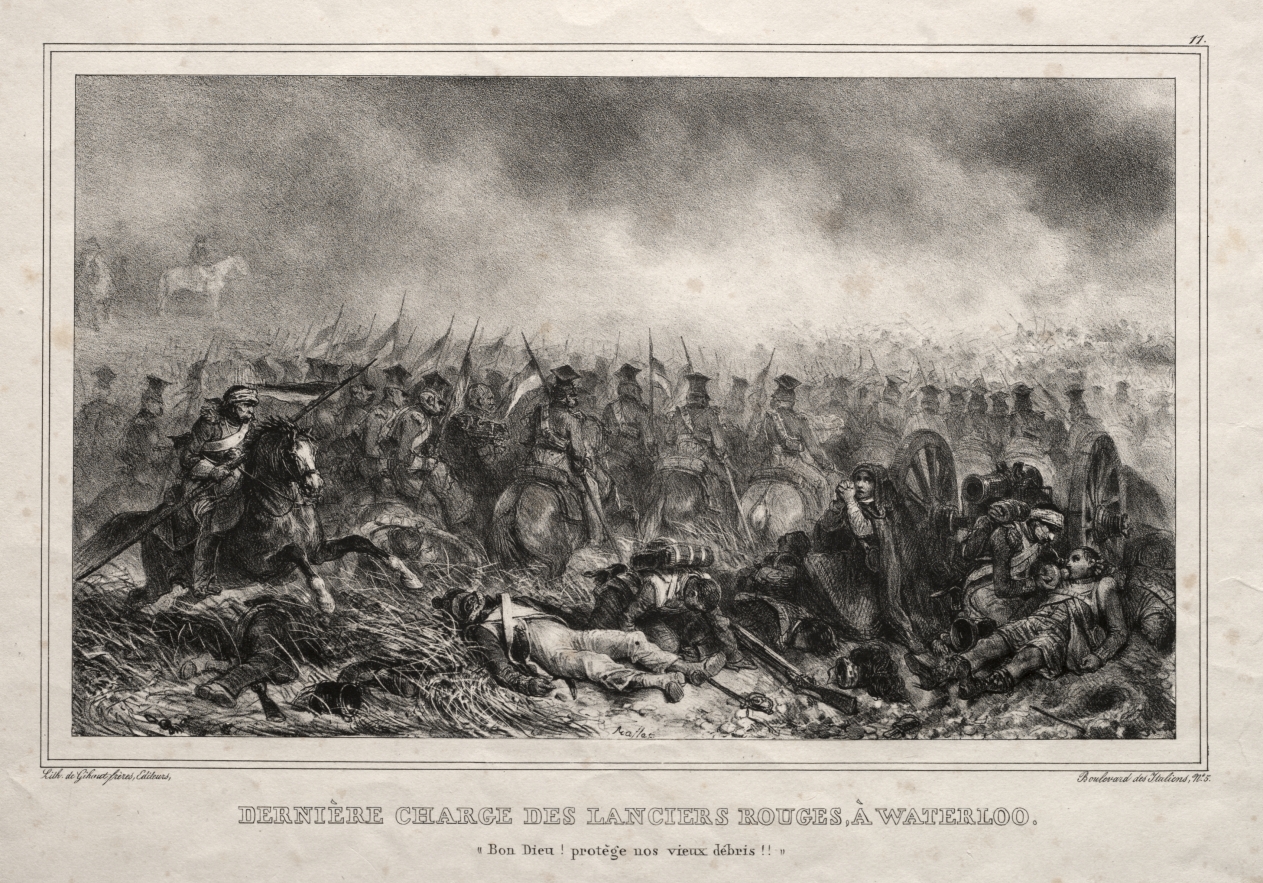
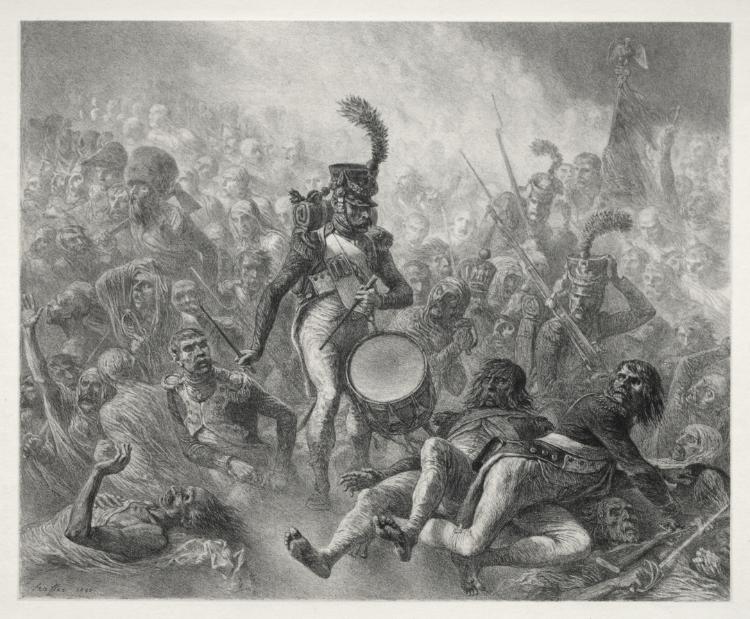
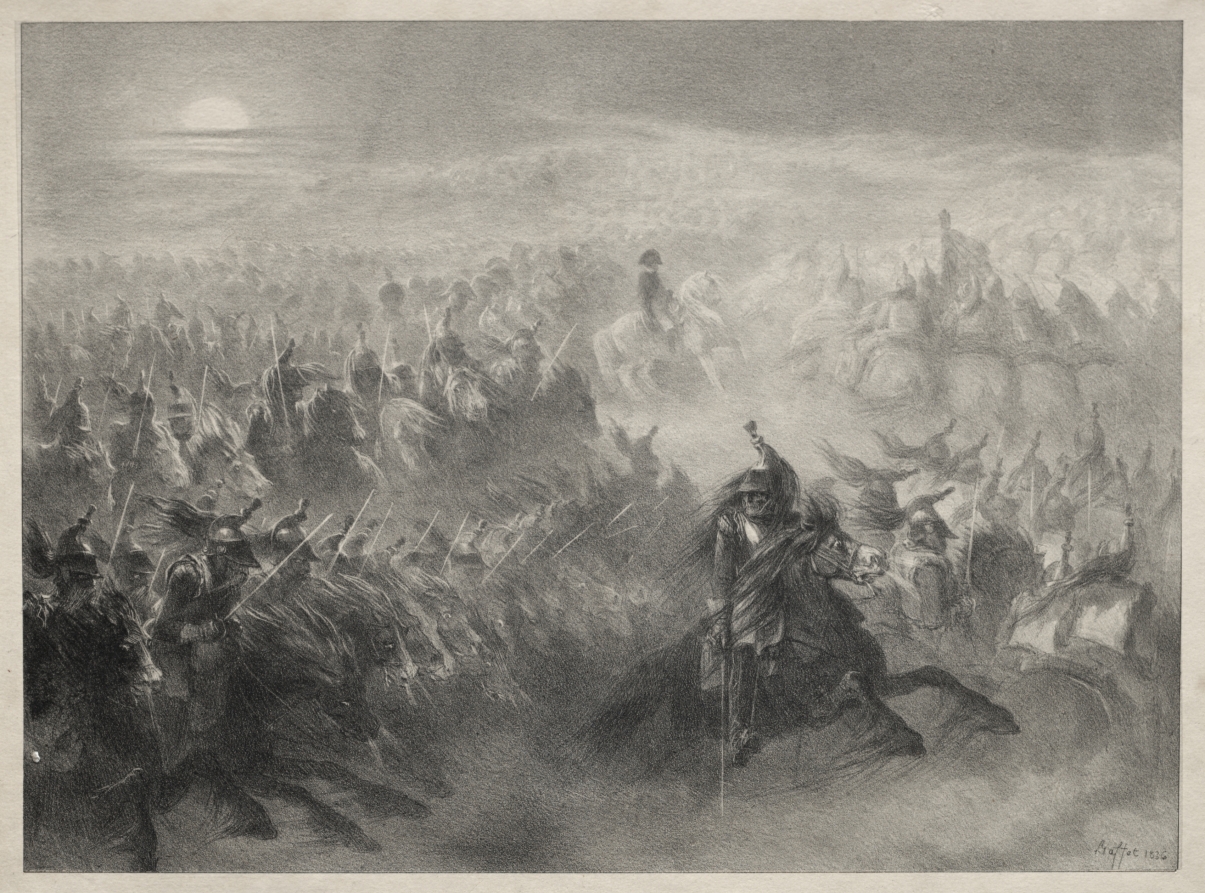
Auguste Raffet (1804-1860) was a French painter and lithographer known for his military subjects and his illustrations of Napoleon's campaigns. Un Borreau (An Executioner) from c. 1848 depicts a hangman or executioner in the watercolor, gouache, and chalk medium that Raffet used for his most accomplished works on paper. The 1848 date—the year of the Revolution that overthrew the July Monarchy and established the Second Republic—gives the subject of an executioner a particular political resonance, and Raffet's unsparing treatment of the figure demonstrates the directness with which he approached even the most disturbing subjects.
Cultural Impact
Raffet's Un Borreau is important in the history of French Romantic art because it approaches the subject of state violence with the directness and unsparing observation that distinguishes the best Romantic art from the more conventional treatments of the academic tradition. The 1848 date—the year of revolution—gives the subject of an executioner a particular political charge, and Raffet's treatment demonstrates the Romantic commitment to depicting reality without idealization.
Why It Matters
Un Borreau is Raffet's unsparing Romantic directness: an executioner rendered in watercolor, gouache, and chalk with the unflinching observation that distinguishes the best Romantic art. The c. 1848 date—the year of revolution—gives the subject of state violence a particular political resonance that elevates the drawing beyond mere genre study.