Accession Number
2015.446
Medium
Watercolor with traces of pen and black ink; border in graphite
Dimensions
Sheet: 37 x 27.3 cm (14 9/16 x 10 3/4 in.)
Classification
Drawing
Credit Line
Bequest of Muriel Butkin
Tags
Drawing Impressionist & Modern (1851–1900) Watercolor Ink Graphite & Pencil Spanish Color: Gray
Background & Context
Background Story
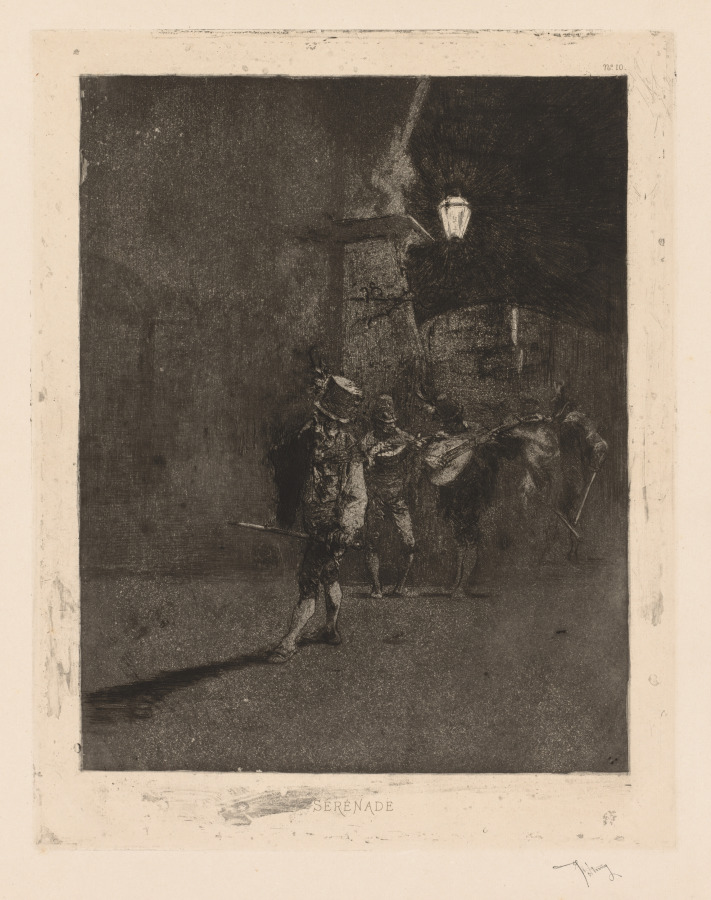
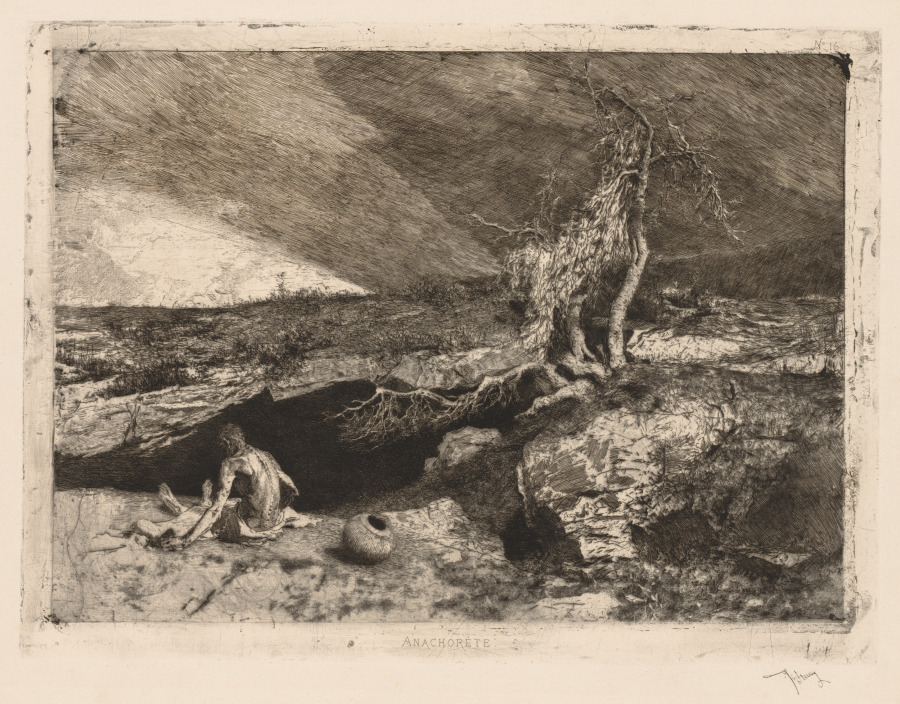
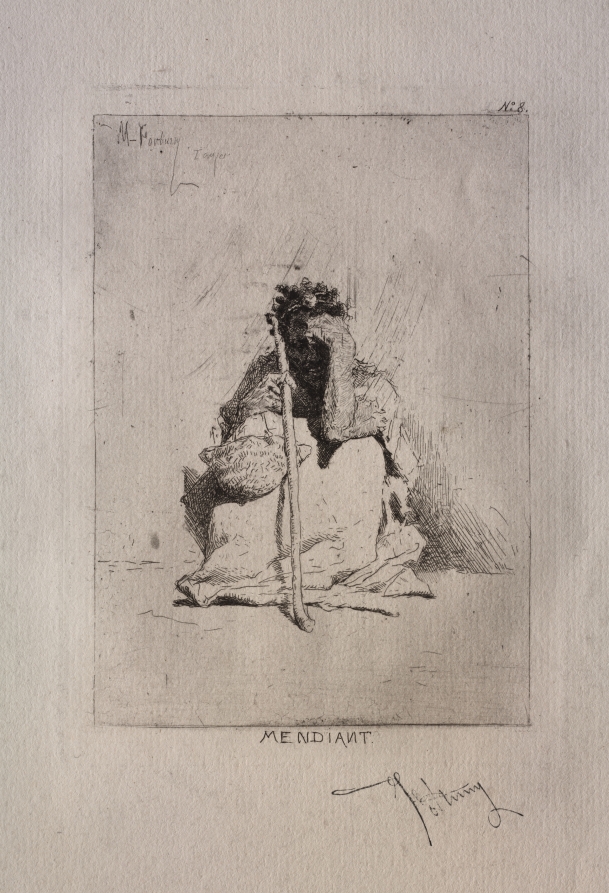
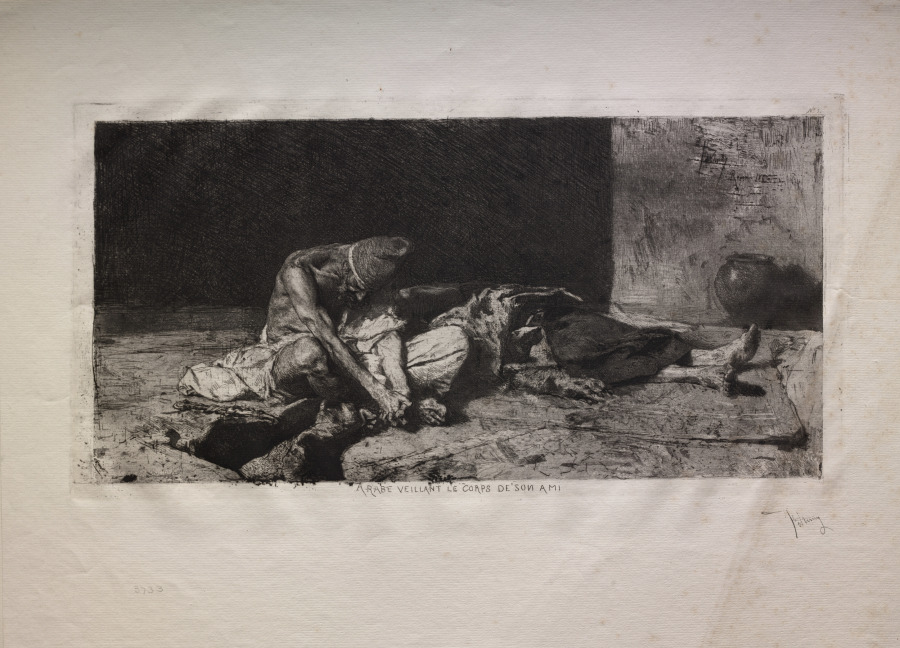
Mariano Fortuny (1838-1874) was a Spanish painter known for the brilliantly executed, exotic subjects that make him one of the most important Spanish painters of the 19th century and one of the most influential painters on the development of Impressionism. The Pipes of Pan from 1865 depicts the mythological subject of Pan playing his pipes in the brilliant, precisely observed manner that distinguishes Fortuny's best work from the more academic painting of his contemporaries. The 1865 date places this early in Fortuny's career, when he was developing the brilliant technique that would make him one of the most admired painters in Europe, and the mythological subject shows his ability to combine precise observation with exotic fantasy.
Cultural Impact
The Pipes of Pan is important in the history of Spanish painting because it demonstrates the brilliant, precisely observed manner that Fortuny brought to mythological subjects as one of the most important Spanish painters of the 19th century. Fortuny's brilliant technique—combining precise observation with the exotic fantasy that made him the most admired painter in Europe—was enormously influential on the development of Impressionism, and the 1865 painting shows this technique in its early development.
Why It Matters
The Pipes of Pan is Fortuny's brilliant Spanish painting: the mythological subject rendered in the precisely observed, exotic manner of one of the most important Spanish painters of the 19th century. The 1865 painting shows the development of the brilliant technique that would make Fortuny enormously influential on the development of Impressionism.