
Accession Number
2015.454
Medium
Watercolor with gouache and gum arabic
Dimensions
Sheet: 45.1 x 62.2 cm (17 3/4 x 24 1/2 in.)
Classification
Drawing
Credit Line
Bequest of Muriel Butkin
Tags
Drawing Impressionist & Modern (1851–1900) Watercolor Gouache French Color: Yellow Color: Brown
Background & Context
Background Story
Eugene Cicari's Les Lavandieres (Washerwomen), painted between 1870 and 1880, depicts one of the most ancient and enduring subjects in French genre painting: women washing laundry at a riverbank or communal washhouse. Cicari (1813-1890) was a French painter and lithographer known for his landscape and genre subjects, and the son of the architectural painter Eugene Cicari senior. The tradition of depicting washerwomen in French art stretched back to the 17th century, when the subject was treated by painters from La Farge to Daumier, and it carried rich social and artistic associations. The lavandieres of rural France were fixtures of community life, gathering at rivers, streams, and public lavoirs to wash clothing in a ritual that combined necessary labor with social exchange. Cicari's treatment of the subject, created during the decade after the Franco-Prussian War, likely emphasizes both the picturesque qualities of the riverside setting and the dignity of the women's labor. The period of 1870-1880 saw significant changes in French rural life, as industrialization gradually transformed traditional practices, and paintings like this one acquired a documentary as well as an aesthetic dimension. The washerwoman subject also allowed painters to explore the effects of light on water, the gestures of manual labor, and the social dynamics of women's communal work. Cicari's landscapes and genre scenes were exhibited at the Paris Salon, where they attracted viewers who appreciated their combination of naturalistic observation and sentimental appeal. This painting belongs to a vast visual record of a vanishing way of rural life.
Cultural Impact
Images of washerwomen constitute one of the most extensive subjects in French genre painting, documenting a form of communal labor that persisted for centuries before industrialization rendered it obsolete. These paintings preserve a visual record of a social practice that defined rural and small-town life across France.
Why It Matters
This painting documents a fundamental aspect of French rural life and communal labor that was being transformed by industrialization during the very period in which it was painted.
Related Artworks
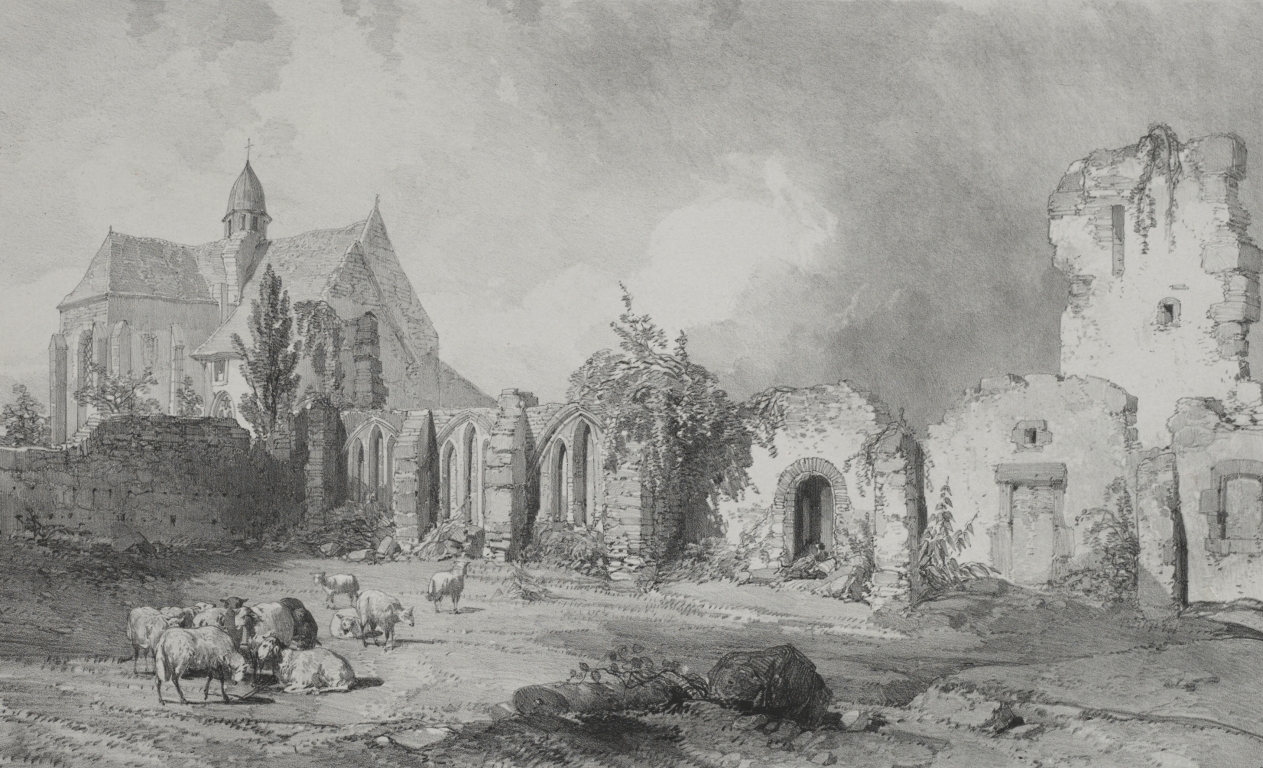
Voyages pittoresques et romantiques dans l'ancienne France. Bretagne: Abbaye de Relec
Eugène Cicéri
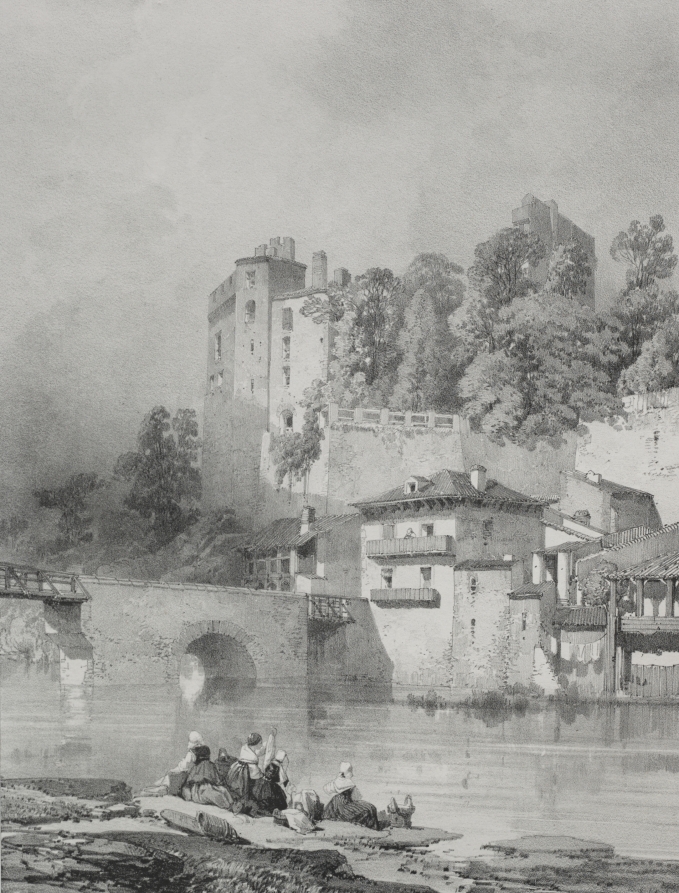
Voyages pittoresques et romantiques dans l'ancienne France. Bretagne: Chateau de Clisson
Eugène Cicéri
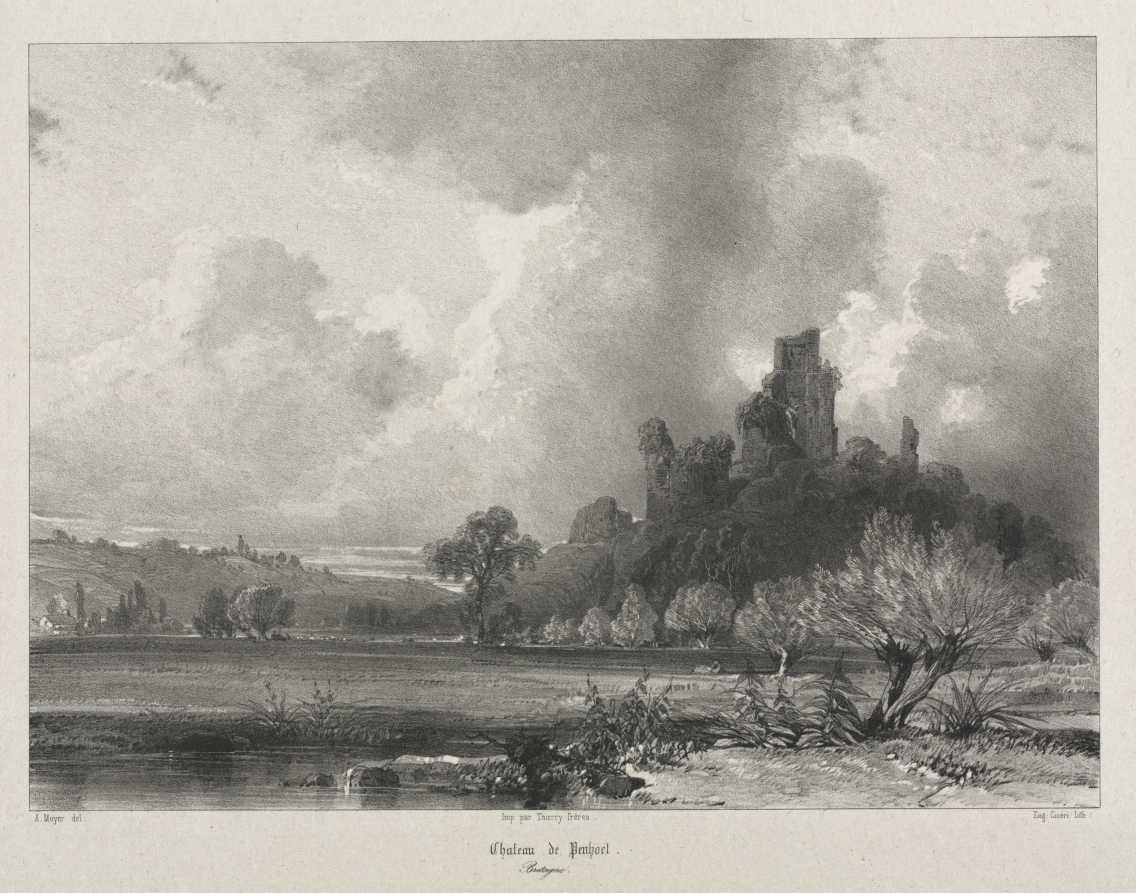
Voyages pittoresques et romantiques dans l'ancienne France. Bretagne: Chateau de Penhoet
Eugène Cicéri
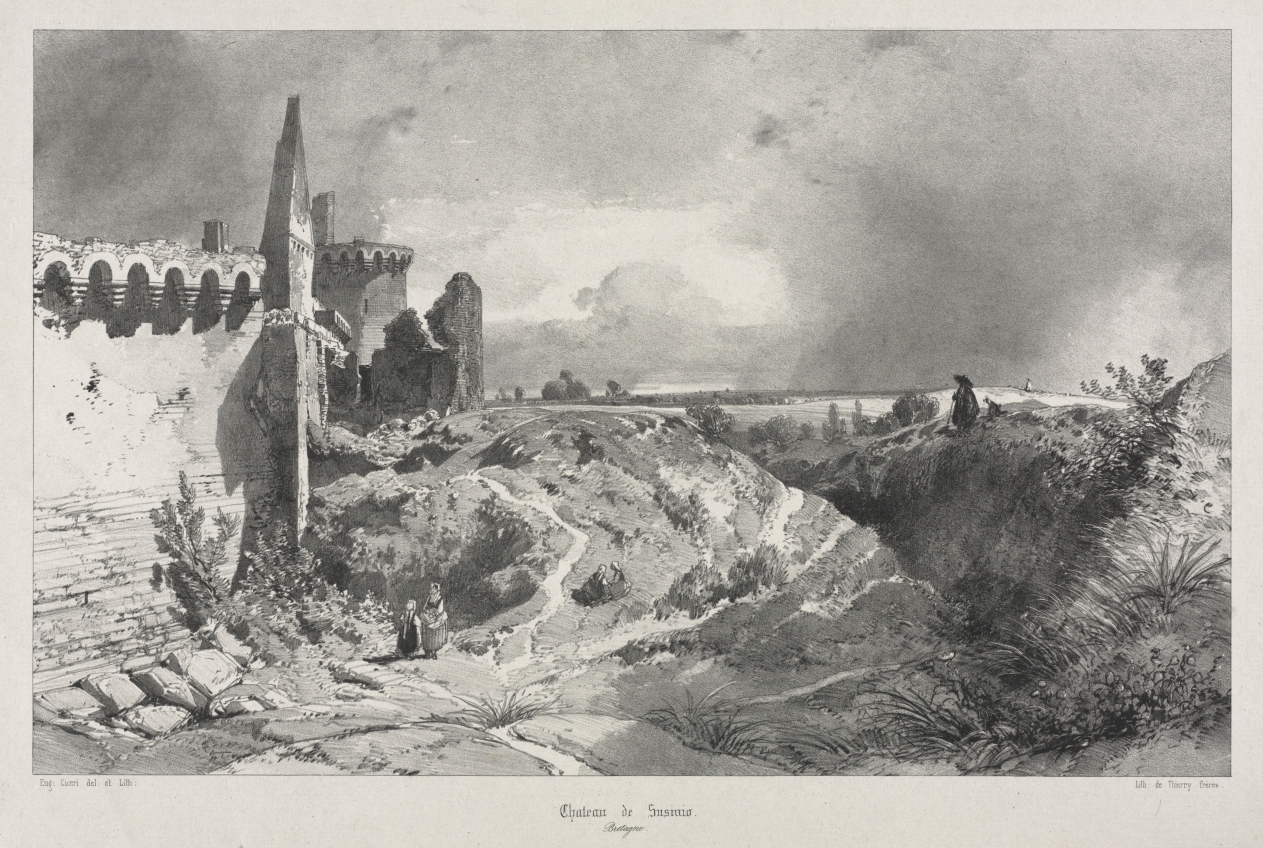
Voyages pittoresques et romantiques dans l'ancienne France. Bretagne: Chateau de Susinio
Eugène Cicéri