Accession Number
1924.1240
Medium
oil on canvas
Dimensions
Unframed: 35.3 x 30.5 cm (13 7/8 x 12 in.)
Classification
Painting
Credit Line
Hinman B. Hurlbut Collection
Tags
Painting Early Modern (1901–1950) Oil Painting Canvas American Color: Orange Color: Gray
Background & Context
Background Story
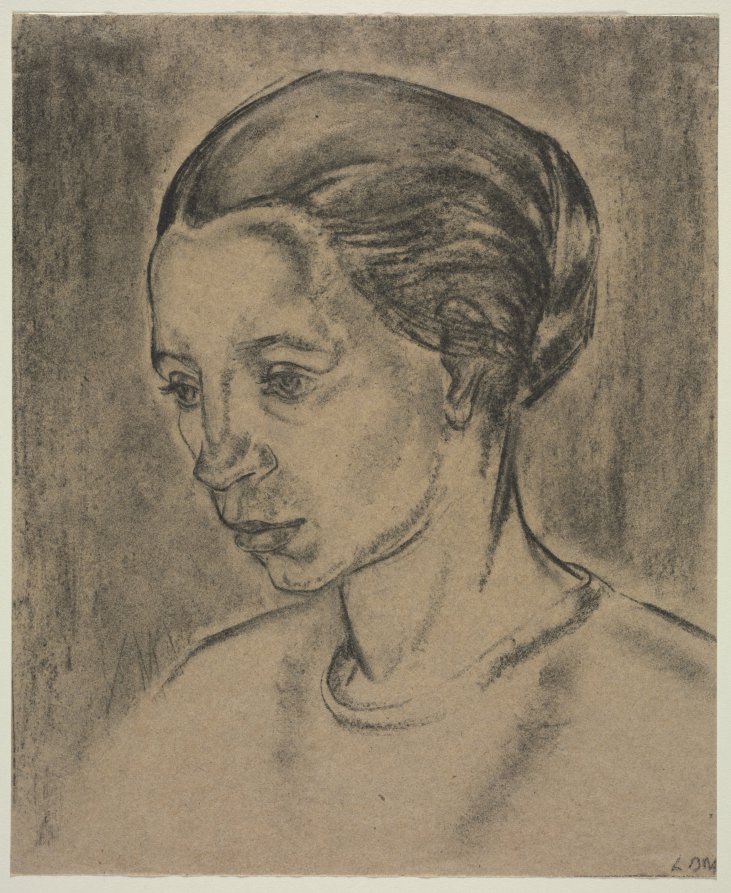
Louise B. Maloney's Antonia, painted in 1923, is a portrait that exemplifies the continued vitality of figurative painting in early 20th-century America, even as modernist movements were challenging traditional artistic conventions. Maloney was an American painter active in the early decades of the 20th century whose work in portraiture reflects the period's engagement with the question of how to represent human character on canvas at a moment of aesthetic upheaval. The subject, identified only as Antonia, suggests a portrait of a specific individual rather than an idealized figure, following a tradition of informal portraiture that valued psychological presence over formal grandeur. The name Antonia, with its classical and European resonances, may indicate a subject of Mediterranean or Latin American heritage, or simply reflect the period's taste for names that carried artistic or literary associations. The year 1923 was a moment of particular ferment in American art: the Armory Show of 1913 had introduced American audiences to European modernism a decade earlier, and the 1920s saw a proliferation of artistic approaches from realist portraiture to geometric abstraction. Maloney's decision to work in the portrait genre at this moment places her within a tradition that was simultaneously being challenged and reaffirmed by American artists who believed that the human face and figure remained the most compelling subject for painting. Women portrait painters of this era navigated additional challenges in a field where the most prestigious commissions typically went to male artists, making each successful portrait both an artistic and a professional achievement.
Cultural Impact
Maloney's portrait practice represents the contribution of women artists to early 20th-century American portraiture at a moment when the genre was being both challenged by modernism and defended by painters who found enduring value in the representation of individual character.
Why It Matters
This portrait demonstrates how women artists claimed space in the competitive field of American portraiture during the 1920s, balancing traditional formal values with modern sensibility.