Description
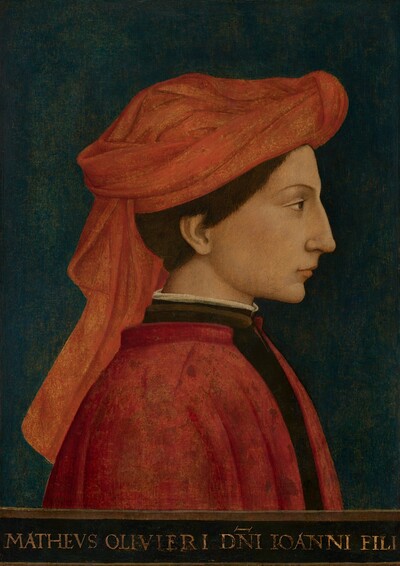
During the 1920s, Kroll earned a great deal of success painting scenes of everyday urban life. In this example, he depicted ice skaters on a pond in snow-covered Central Park, with a looming skyline of Manhattan apartment buildings in the background.
Provenance
Leon Kroll, 1923
Accession Number
1923.1339
Medium
oil on canvas
Dimensions
Unframed: 91.5 x 122 cm (36 x 48 1/16 in.); Framed: 109.2 x 139.7 x 7.6 cm (43 x 55 x 3 in.)
Classification
Painting
Credit Line
Hinman B. Hurlbut Collection
Tags
Painting Early Modern (1901–1950) Oil Painting Canvas American Color: White Color: Gray
Background & Context
Background Story
Leon Kroll (1884-1974) was an American painter known for his figurative paintings that combine the solid modeling of the academic tradition with the bright palette of American Impressionism. The Park-Winter from 1923 depicts a winter park in the solidly modeled, brightly colored manner that distinguishes Kroll's best work from the more abstract painting of his modernist contemporaries. The 1923 date places this in Kroll's most productive period, when he was producing the figurative paintings that made him one of the most popular American painters of the interwar period.
Cultural Impact
The Park-Winter is important in the history of American painting because it demonstrates the figurative tradition that Kroll maintained during the rise of modernism in the 1920s. Kroll's solidly modeled, brightly colored figurative painting represents an alternative to the abstract modernism of the interwar period—a type of painting that was enormously popular with the American public and that Kroll defended throughout his career against the claims of modernism.
Why It Matters
The Park-Winter is Kroll's figurative American painting: a winter park rendered in the solidly modeled, brightly colored manner that he maintained against the rise of modernism in the 1920s. The 1923 painting represents the figurative alternative to abstract modernism that was enormously popular with the American public during the interwar period.
![Saint Bernard and Saint Catherine of Alexandria with the Virgin of the Annunciation [right panel]](https://api.nga.gov/iiif/e6890364-4d99-4684-a62b-5060ee3c3446/full/400,/0/default.jpg)