Provenance
Charles L. Freer [1854–1919], Detroit, MI, given to the Cleveland Museum of Art (?–1915); The Cleveland Museum of Art, Cleveland, OH (1915–)
Accession Number
1915.96
Medium
hanging scroll; ink on silk
Dimensions
Overall: 140 x 57.5 cm (55 1/8 x 22 5/8 in.)
Classification
Painting
Credit Line
Gift of Charles L. Freer
Tags
Painting Baroque (1600–1750) Ink Silk Painting Chinese Color: Orange
Background & Context
Background Story
Bamboo in the Wind from 1724 is attributed to Ma Yu, depicting bamboo bending in the wind in the ink painting manner that is one of the most traditional subjects in Chinese literati painting. Bamboo bent by wind is a traditional subject in Chinese painting, symbolizing the gentleman who bends but does not break under adversity—a Confucian virtue that the literati painters expressed through the ink bamboo subject. The 1724 date places this in the Qing dynasty, when the ink bamboo tradition was one of the most established subjects in Chinese literati painting.
Cultural Impact
Bamboo in the Wind is important in the history of Chinese literati painting because it demonstrates the ink bamboo tradition—one of the most traditional subjects in Chinese painting. The bamboo bent by wind symbolizes the Confucian virtue of the gentleman who bends but does not break under adversity, and the 1724 painting shows this traditional subject rendered in the ink manner that literati painters used for self-expression and moral philosophy.
Why It Matters
Bamboo in the Wind is the traditional ink bamboo subject: bamboo bending in the wind rendered in the ink painting manner that is one of the most established subjects in Chinese literati painting. The 1724 painting expresses the Confucian virtue of bending but not breaking—the gentleman who endures adversity without losing his moral integrity.

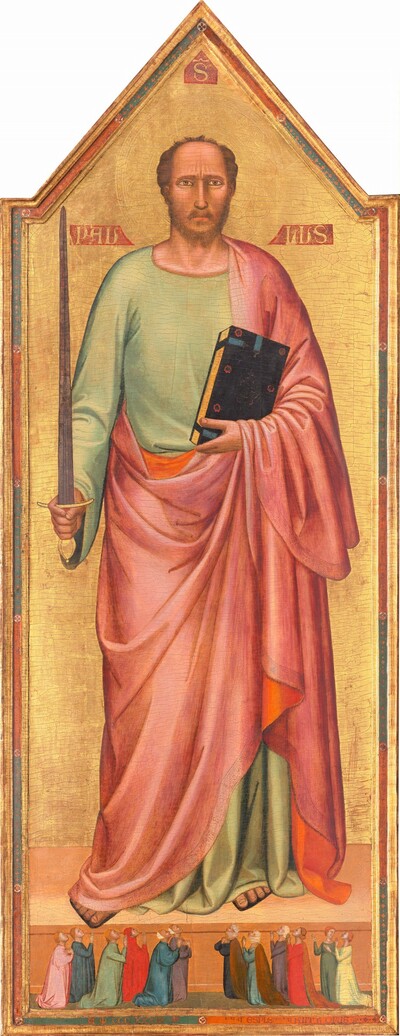
![Saint Bernard and Saint Catherine of Alexandria with the Virgin of the Annunciation [right panel]](https://api.nga.gov/iiif/e6890364-4d99-4684-a62b-5060ee3c3446/full/400,/0/default.jpg)