Accession Number
1923.50
Medium
grpahite and black chalk with stumping [both have been stumped] heightened with white chalk; framing lines in black chalk
Dimensions
Sheet: 31.8 x 40.7 cm (12 1/2 x 16 in.)
Classification
Drawing
Credit Line
Gift of Louise M. Pierce
Tags
Drawing Neoclassical & Romantic (1751–1850) French Color: Orange Color: Brown
Background & Context
Background Story
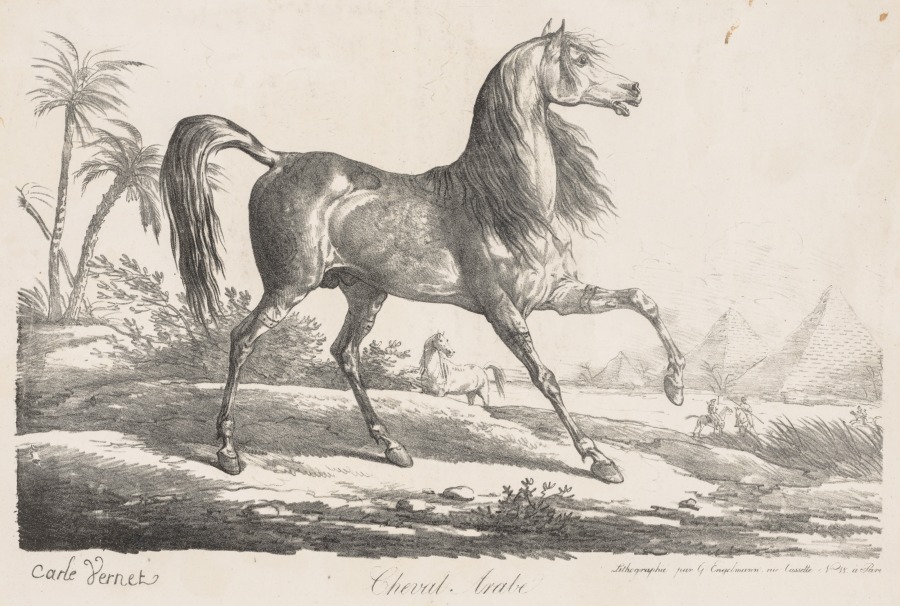
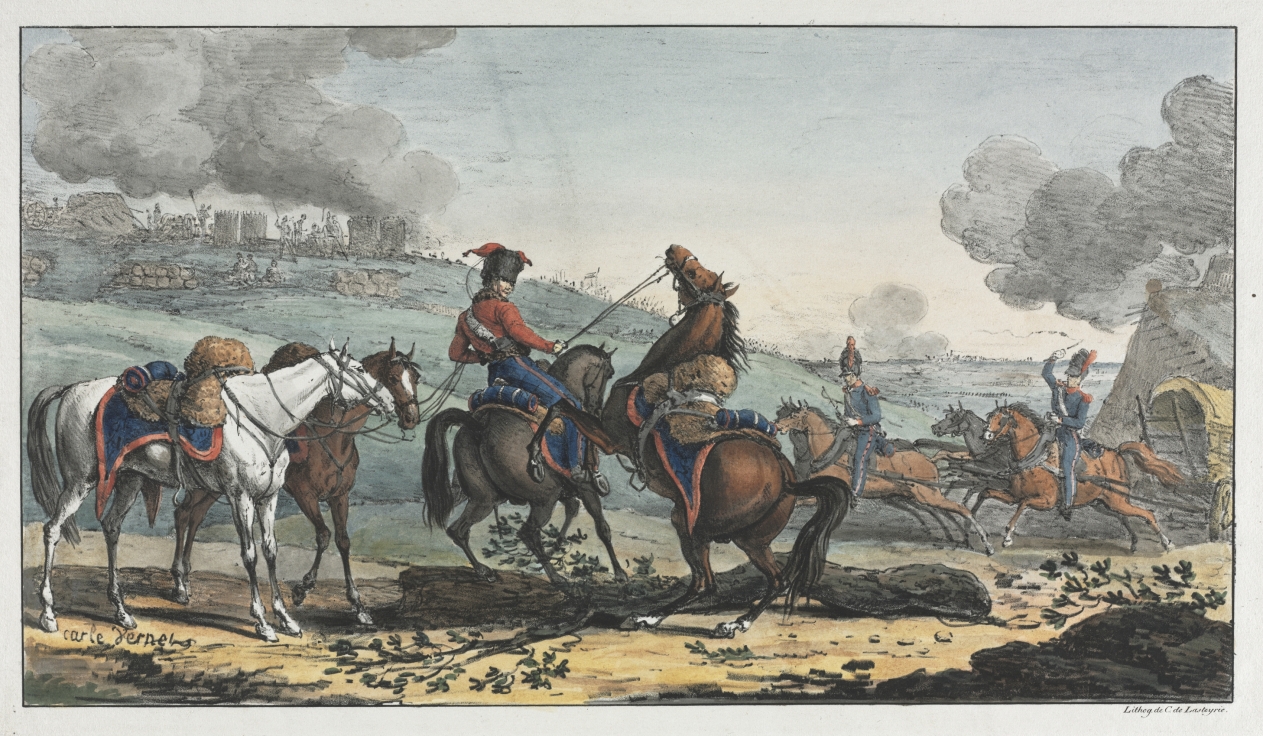
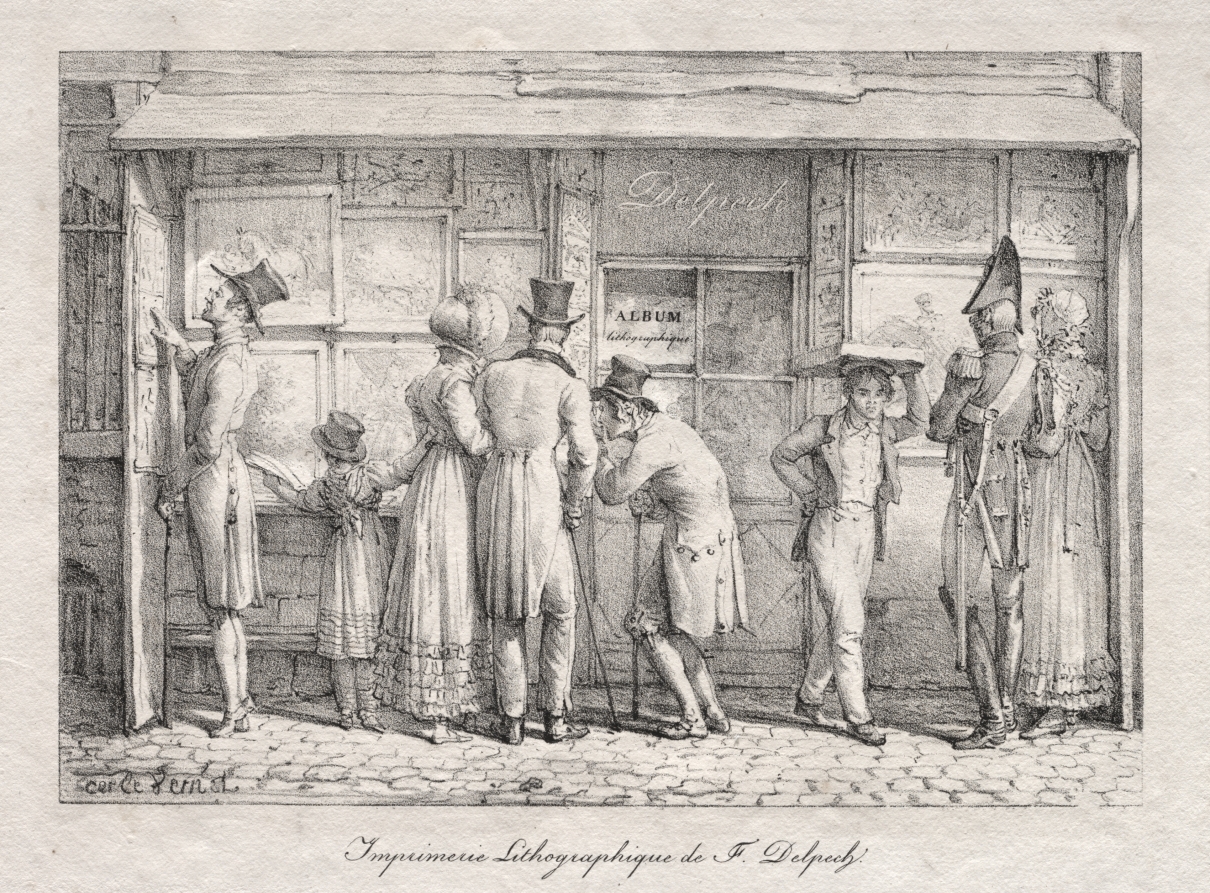
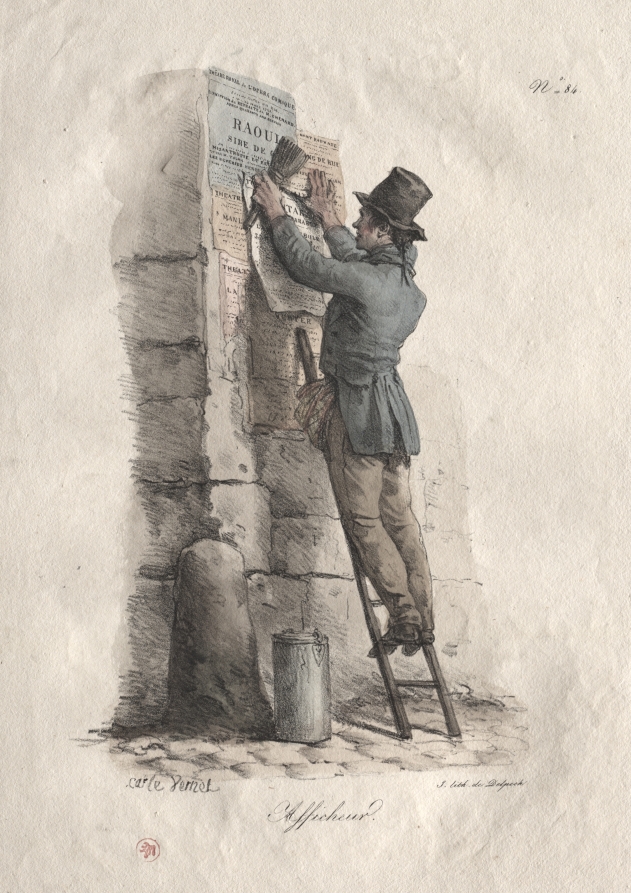
Carle Vernet (1758-1836) was a French painter and printmaker known for his equestrian subjects and battle scenes in the energetic manner that connects the 18th-century Rococo tradition with the 19th-century Romantic tradition. Fighting Animals from the late 18th or early 19th century depicts animals in combat in the energetic, accomplished manner that distinguishes Vernet's best equestrian and animal subjects. Vernet was the son of the marine painter Claude-Joseph Vernet and the father of the battle painter Horace Vernet, and his work bridges the Rococo and Romantic traditions in French painting.
Cultural Impact
Fighting Animals is important in the context of French painting because it demonstrates the energetic, accomplished manner that Carle Vernet developed as a bridge between the Rococo and Romantic traditions. Vernet's equestrian and animal subjects connect the decorative equestrian painting of the 18th century with the energetic battle painting of the 19th century, and his Fighting Animals shows the Rococo tradition being transformed into the Romantic manner that his son Horace would develop further.
Why It Matters
Fighting Animals is Carle Vernet bridging Rococo and Romantic: animals in combat rendered in the energetic manner that connects 18th-century decorative equestrian painting with 19th-century Romantic battle painting. The late 18th/early 19th century work shows the transition from Rococo to Romantic in French painting.