Provenance
Yoshida Hiroshi 吉田博 [1876-1950] given to the Cleveland Museum of Art (1924); The Cleveland Museum of Art, Cleveland, OH (1924-)
Accession Number
1924.803
Medium
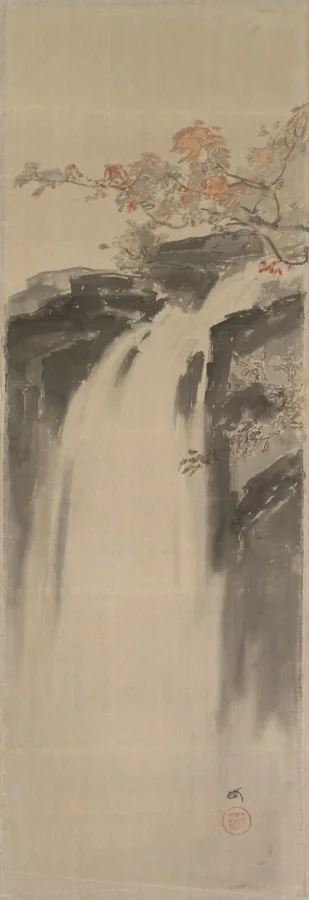
unmounted hanging scroll; ink and color on silk
Dimensions
Overall: 124.5 x 43.2 cm (49 x 17 in.)
Classification
Painting
Credit Line
Gift of the Artist
Tags
Painting Early Modern (1901–1950) Ink Silk Painting Japanese Color: White Color: Gray
Background & Context
Background Story
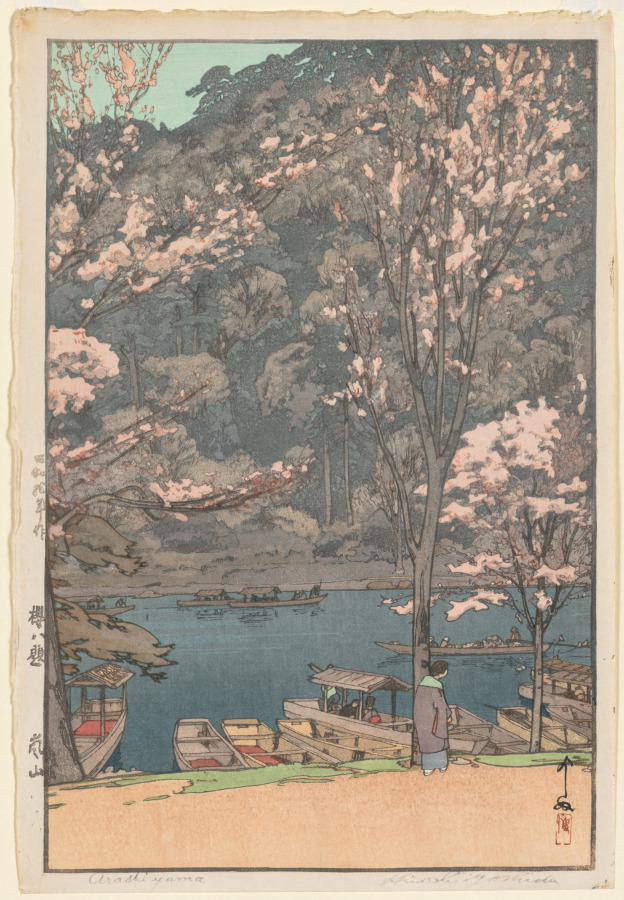
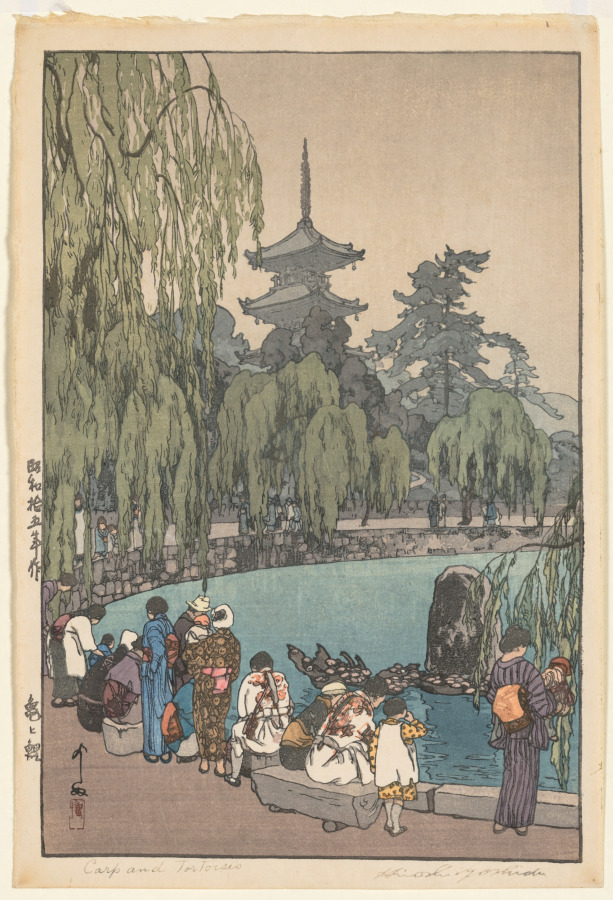
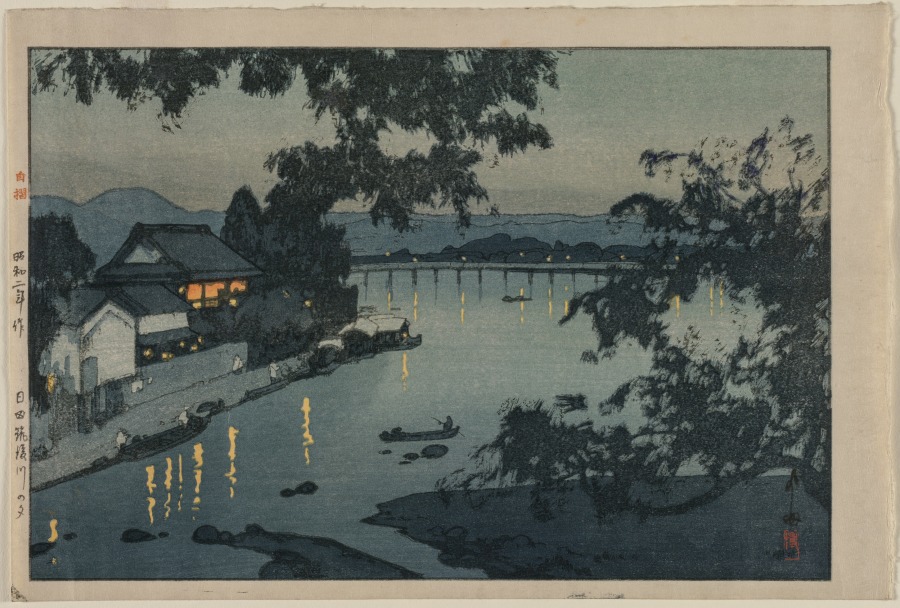
Yoshida Hiroshi (1876-1950) was a Japanese shin-hanga (new prints) artist known for his landscape woodblock prints that combine the traditional Japanese woodblock tradition with Western perspective and naturalistic observation. Waterfall from 1924 depicts a waterfall in the manner that Yoshida developed for his shin-hanga prints—the combination of traditional Japanese woodblock technique with Western perspective and naturalistic color that distinguishes the shin-hanga movement from the earlier ukiyo-e tradition. The 1924 date places this in Yoshida's most productive period, when he was producing the landscape prints that are his most accomplished works.
Cultural Impact
Waterfall is important in the history of Japanese printmaking because it demonstrates the shin-hanga movement that Yoshida helped to create—a movement that combined the traditional Japanese woodblock tradition with Western perspective and naturalistic color. The shin-hanga movement represents a revival of the Japanese woodblock tradition that Yoshida and his publisher Watanabe Shozaburo developed as an alternative to both the traditional ukiyo-e tradition and the Western print tradition.
Why It Matters
Waterfall is Yoshida's shin-hanga mastery: a waterfall rendered in the combination of traditional Japanese woodblock technique with Western perspective and naturalistic color that defines the shin-hanga movement. The 1924 print shows the Japanese woodblock tradition revived and transformed through the addition of Western perspective and naturalistic observation.