Accession Number
1925.737
Medium
pencil
Dimensions
N/A
Classification
Drawing
Credit Line
Gift of The Print Club of Cleveland
Tags
Drawing Early Modern (1901–1950) Graphite & Pencil American Color: White Color: Gray
Background & Context
Background Story
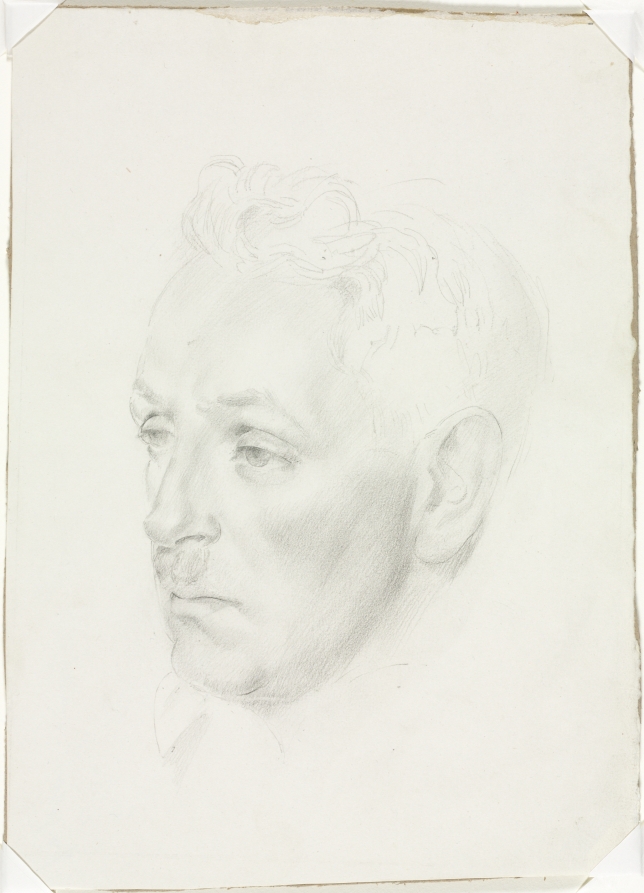
Youth by Jean Ulen, created in the 1920s, captures the vitality and promise associated with the concept of youth during a decade of dramatic social transformation. The 1920s in America and Europe were marked by a rebellious spirit—young people challenged established norms through fashion, music, social behavior, and artistic expression, giving rise to the flapper era and the Jazz Age. Ulen's painting positions itself within this cultural moment, likely depicting a young figure embodying the energy, optimism, and uncertainty of the era. The work may explore themes of coming of age, innocence meeting experience, or the transience of youth. Jean Ulen operated within early twentieth-century artistic circles, and the painting reflects the period's growing interest in psychological portraiture and the inner lives of subjects. The 1920s saw artists moving between realism and modernist experimentation, and a work titled Youth could engage with either tradition or their intersection. The concept of youth itself was undergoing cultural redefinition—no longer merely a preparatory stage for adulthood but a distinct identity with its own values, aesthetics, and social power. Ulen's engagement with this theme speaks to the broader artistic preoccupation with capturing the spirit of an age defined by its young people.
Cultural Impact
The painting captures a cultural moment when youth itself became a defining social category, reflecting the 1920s redefinition of age, identity, and generational consciousness that continues to shape modern society.
Why It Matters
This work documents the artistic engagement with youth culture during a pivotal decade, offering perspective on how visual artists participated in redefining generational identity.