Accession Number
1927.5
Medium
oil on canvas
Dimensions
Unframed: 101.6 x 67.3 cm (40 x 26 1/2 in.)
Classification
Painting
Credit Line
Gift of Estate of Mrs. B. D. Babcock
Tags
Painting Impressionist & Modern (1851–1900) Oil Painting Canvas American Color: Orange Color: Gold
Background & Context
Background Story
A Summer Afternoon by R. Way Smith, painted in 1882, captures the leisurely pace of warm-weather life in late nineteenth-century America. During this period, American artists were increasingly drawn to scenes of domestic tranquility and recreational leisure, reflecting a society in transition from rural to urban life. The painting likely depicts figures enjoying a peaceful outdoor setting—perhaps a garden, a porch, or a waterfront scene—embodied by the gentle light and relaxed atmosphere suggested by its title. Smith's work emerges from the same cultural moment that produced the American Impressionist movement, when artists began adopting brighter palettes and looser brushwork to capture fleeting effects of sunlight and atmosphere. The year 1882 places this work firmly within the Gilded Age, a period of growing industrial wealth that created a new class of art patrons interested in images of genteel leisure. Paintings of summer afternoons documented the growing culture of middle-class recreation time and provided urban collectors with pastoral retreats on canvas. The work reflects the influence of French Impressionism, which was beginning to make inroads into American artistic consciousness, though many American painters maintained a structured approach to composition.
Cultural Impact
The painting documents the emergence of leisure as a recognizable subject in American art, reflecting broader social changes including the growth of middle-class recreation time and engagement with everyday experience.
Why It Matters
This work captures a pivotal moment when American art began embracing leisure subjects, bridging formal academic traditions and the new Impressionist sensibility that would reshape American painting.

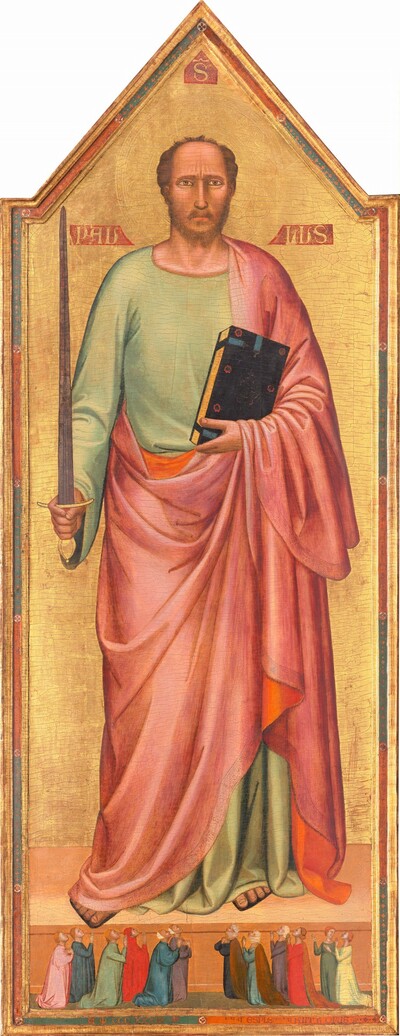
![Saint Bernard and Saint Catherine of Alexandria with the Virgin of the Annunciation [right panel]](https://api.nga.gov/iiif/e6890364-4d99-4684-a62b-5060ee3c3446/full/400,/0/default.jpg)