Accession Number
1938.60
Medium
watercolor
Dimensions
Sheet: 25.3 x 36.4 cm (9 15/16 x 14 5/16 in.)
Classification
Drawing
Credit Line
Bequest of Mrs. Henry A. Everett for the Dorothy Burnham Everett Memorial Collection
Tags
Drawing Impressionist & Modern (1851–1900) Watercolor British Color: White
Background & Context
Background Story
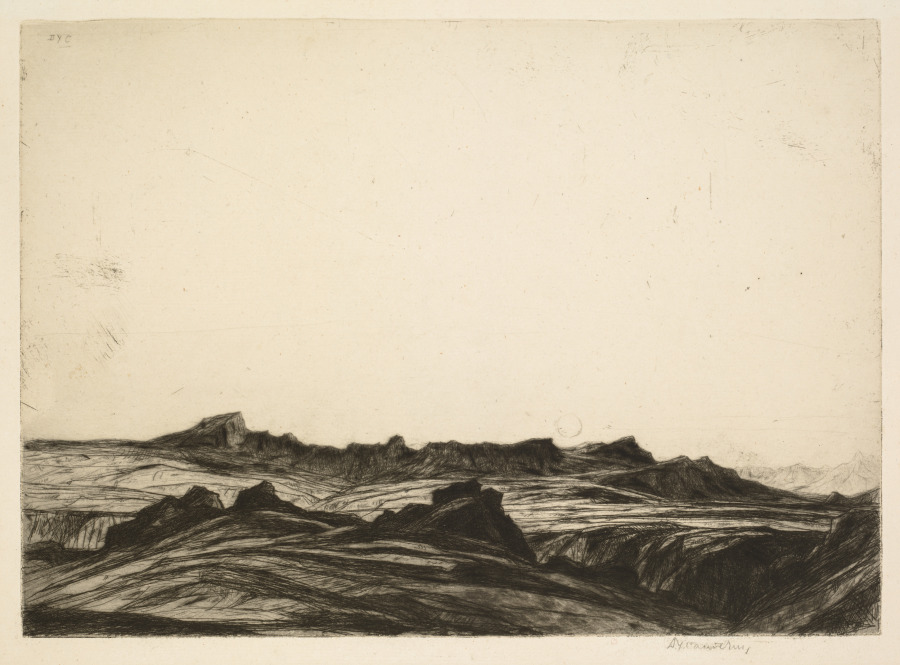
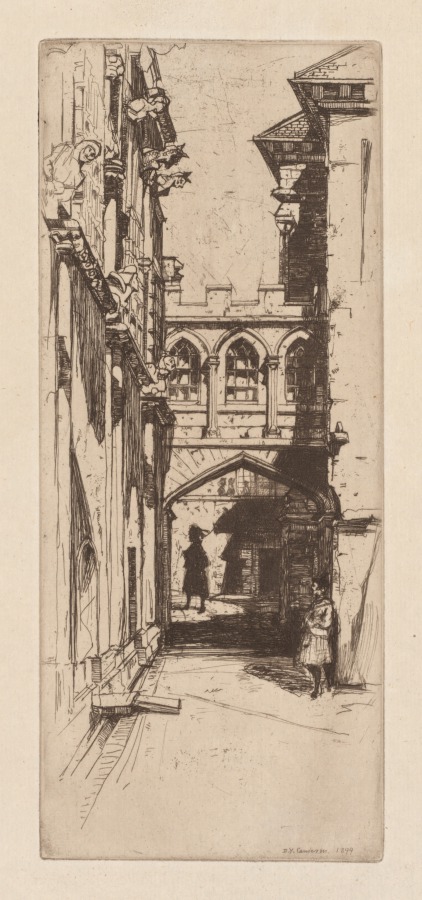
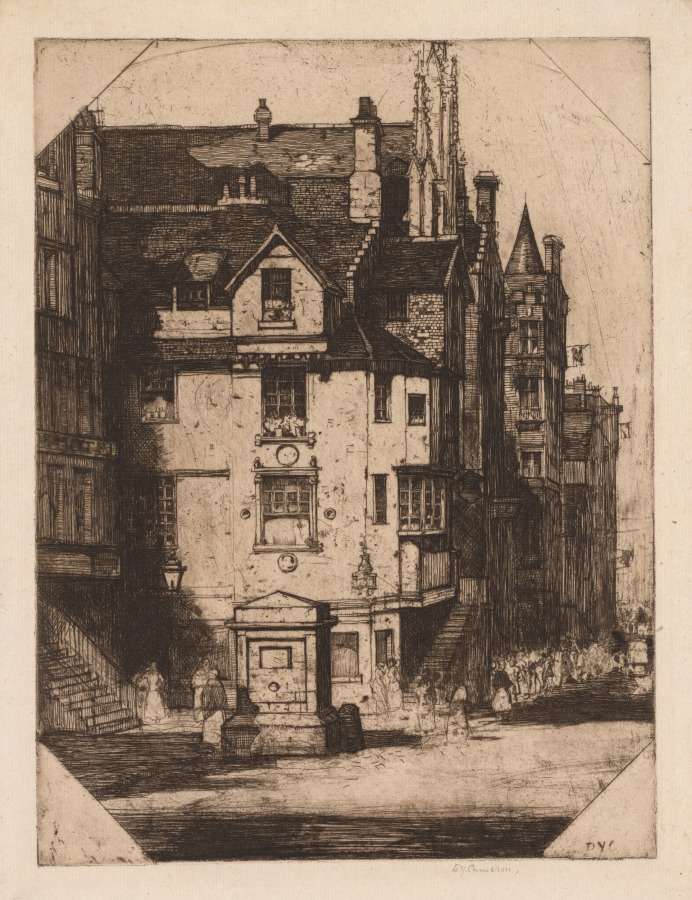
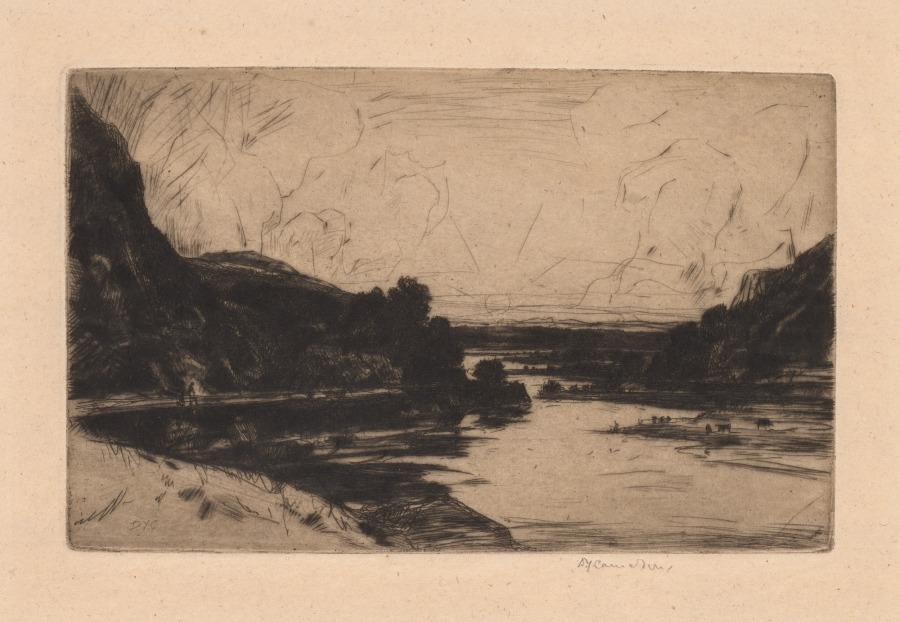
Sir David Young Cameron (1865-1945) was Scotland's foremost etcher and one of its most significant landscape painters, known for his dramatic views of the Scottish Highlands and continental architecture. The Isles of Loch Lomond presents one of Scotland's most famous lake landscapes in Cameron's characteristic watercolor style: broad washes of tone that capture the atmospheric conditions of the Scottish lake country, where clouds, mist, and changing light create a landscape that is never the same from one moment to the next. The isles of Loch Lomond—the scattered islands that give the lake its distinctive character—are rendered as dark masses against the lighter tones of water and sky.
Cultural Impact
Cameron's watercolors of Loch Lomond and the Scottish Highlands belong to the great tradition of Scottish landscape painting that includes Horatio McCulloch, William McTaggart, and the Glasgow Boys. Cameron's contribution to this tradition was his etcher's eye for the structural essentials of a landscape—reducing a complex view to its fundamental masses of land, water, and sky while preserving the atmospheric conditions that give the scene its emotional quality.
Why It Matters
Isles of Loch Lomond is Cameron's Scottish landscape at its most characteristic: atmospheric washes that capture the transient conditions of the lake country, and dark island masses that anchor the composition. The etcher's eye for structure and the watercolorist's eye for atmosphere combine in a view of one of Scotland's most painted landscapes.