Provenance
Estate of James Parmelee, given to The Cleveland Museum of Art, Cleveland, OH (?-1940); The Cleveland Museum of Art, Cleveland, OH (October 30, 1940-)
Accession Number
1940.730
Medium
pen and brown ink with brown wash
Dimensions
Sheet: 35.5 x 23.8 cm (14 x 9 3/8 in.)
Classification
Drawing
Credit Line
Bequest of James Parmelee
Tags
Drawing Neoclassical & Romantic (1751–1850) Ink British Color: White
Background & Context
Background Story
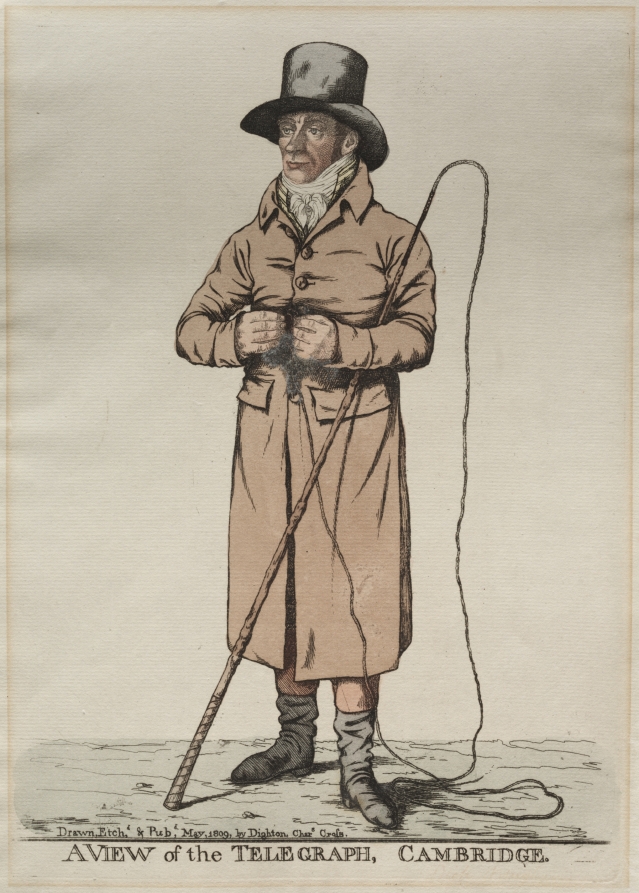
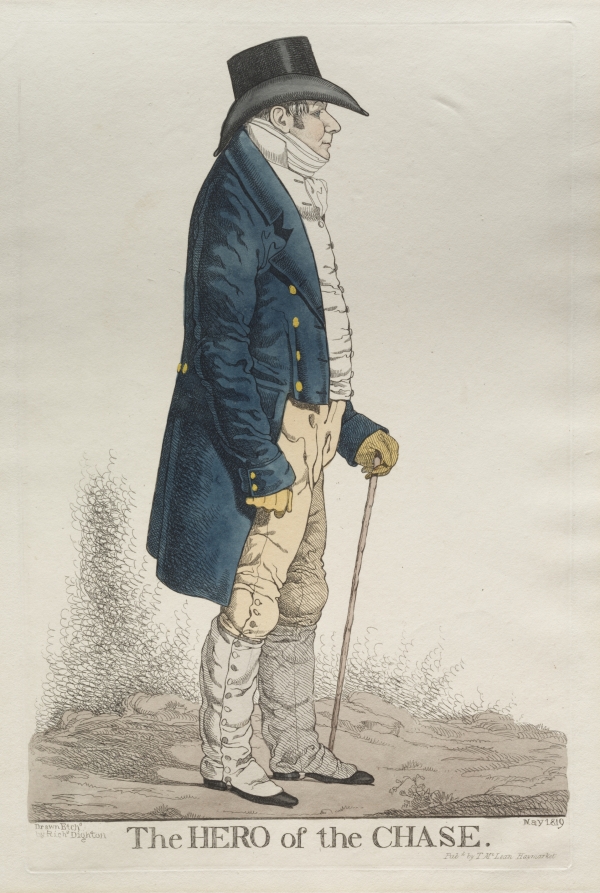
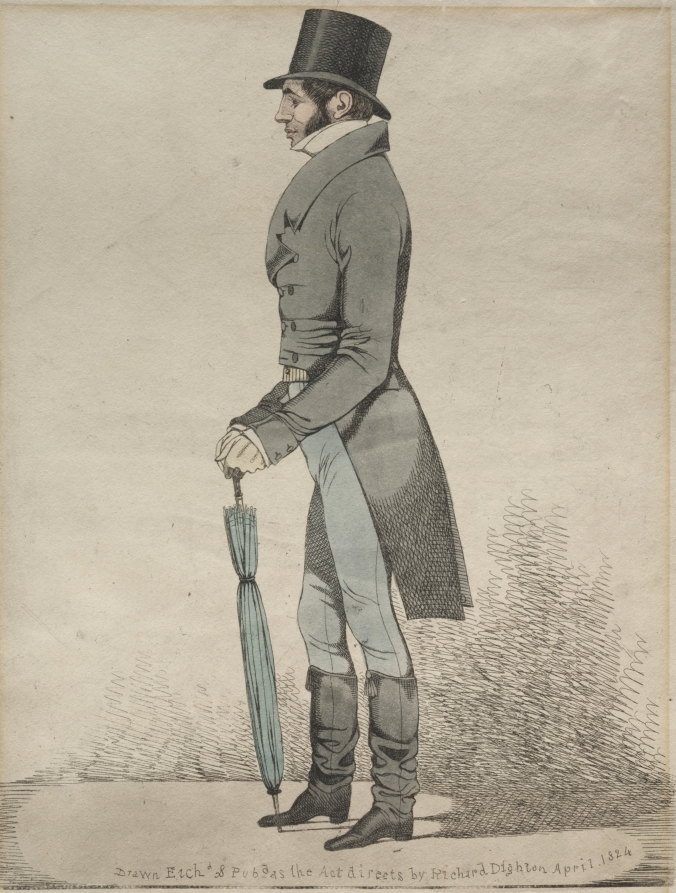
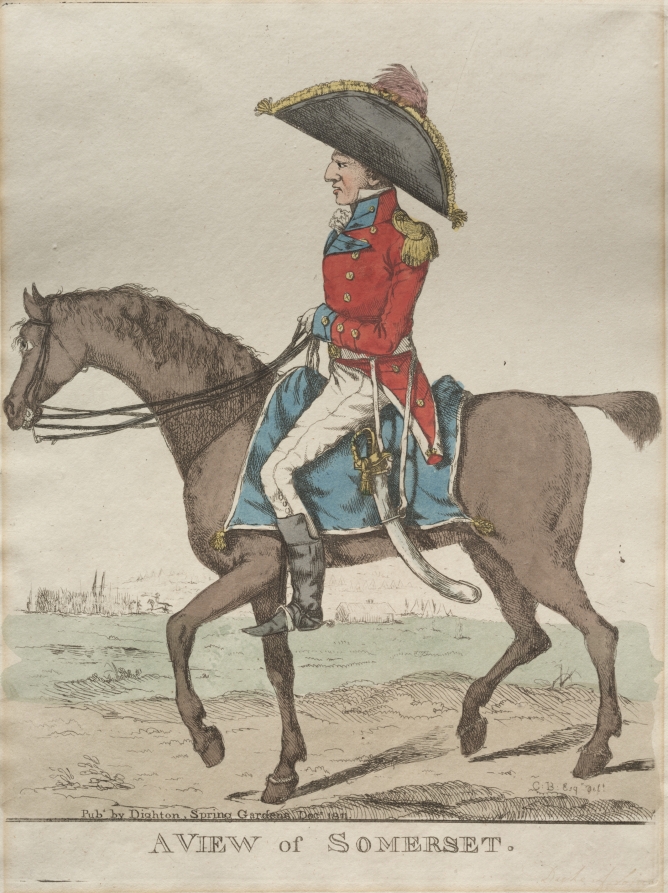
The Man Wot Drives the Sovereign by Richard Dighton, created around 1815-1880, is a satirical work from one of the most prolific families of English caricaturists. The Dighton family—father Robert and sons Robert Jr., Dennis, and Richard—dominated London's print shop culture for decades, producing witty and often biting social commentary through their affordable, widely distributed prints. Richard Dighton's work, like that of his family, operated in the tradition of English satirical printmaking established by Hogarth and carried forward by Gillray and Rowlandson. The title, written in colloquial Cockney dialect ('wot' for 'what'), immediately signals the work's populist character and humorous intent. 'The Sovereign' likely refers to a gold sovereign coin or to the monarchy, and the figure who 'drives' it could be a coachman, a financier, or a political operator—satirical prints of this era delighted in such double meanings. Created during a period spanning the Regency era through the early Victorian age, the print captures the social tensions between common people and economic or political power. Dighton's caricatures were displayed in print shop windows along the Strand and Fleet Street, where they attracted crowds and shaped public opinion, functioning as the social media of their day.
Cultural Impact
Satirical prints by the Dighton family democratized art and political commentary, making visual satire accessible to broad audiences and influencing public discourse on power, class, and governance in Regency-era London.
Why It Matters
This print preserves an important tradition of English visual satire, showing how caricaturists like the Dightons used humor and colloquial language to critique social hierarchies and political power.