Provenance
(De Hauke & Co., Inc., New York, sold to Henry G. Dalton, Cleveland, OH) (?-1928); Henry G. Dalton, Cleveland, OH (1928-); George S. Kendrick, Cleveland; (P.W. French and Company, Inc., sold to the Cleveland Museum of Art, Cleveland, OH) (?-1943); Cleveland Museum of Art, Cleveland, OH (1943-)
Accession Number
1943.387
Medium
graphite
Dimensions
Sheet: 30.2 x 25.4 cm (11 7/8 x 10 in.)
Classification
Drawing
Credit Line
Purchase from the J. H. Wade Fund
Tags
Color: White
Background & Context
Background Story
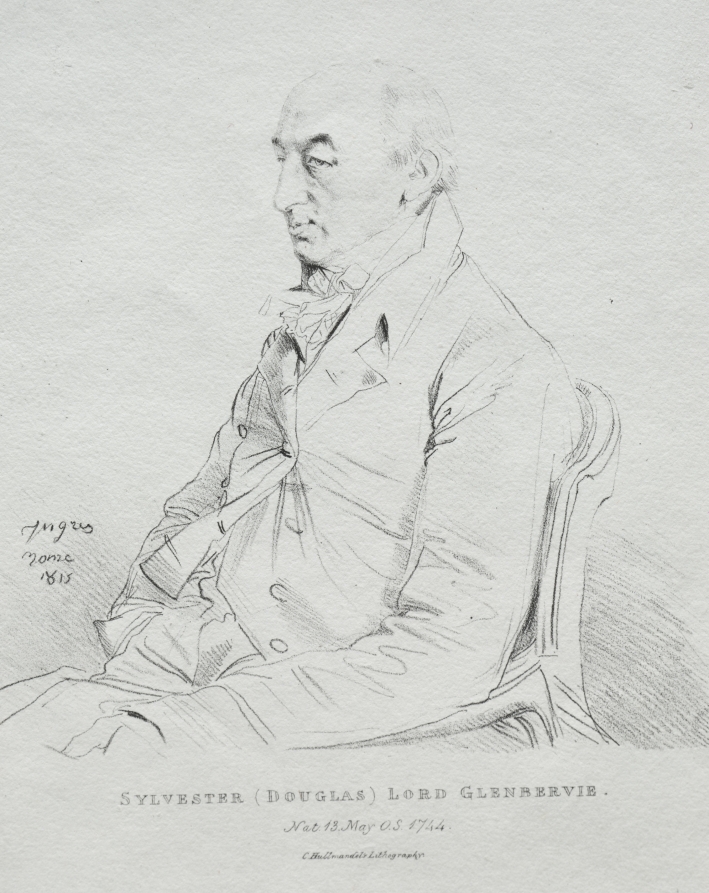
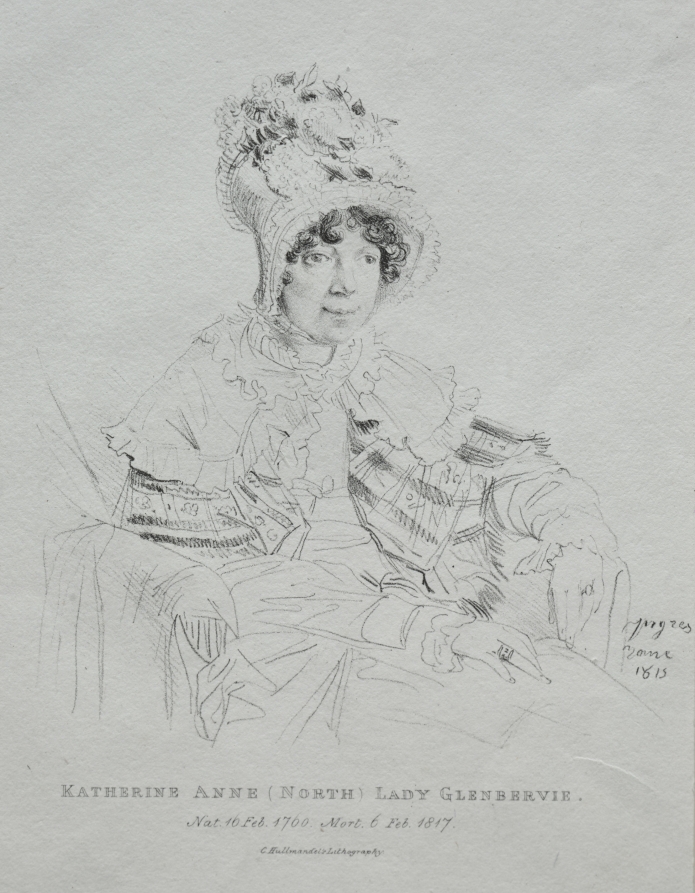
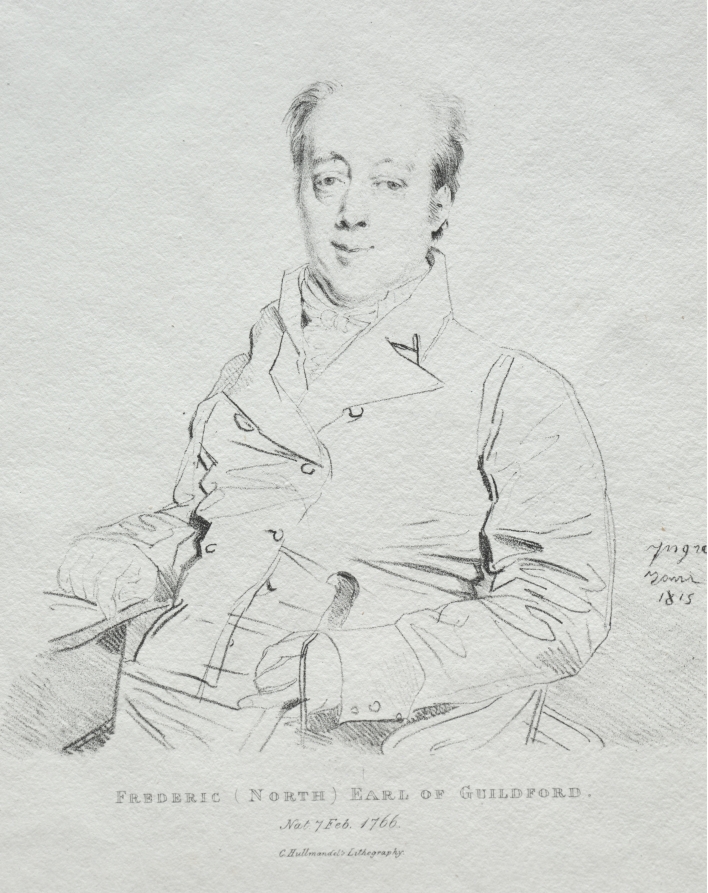
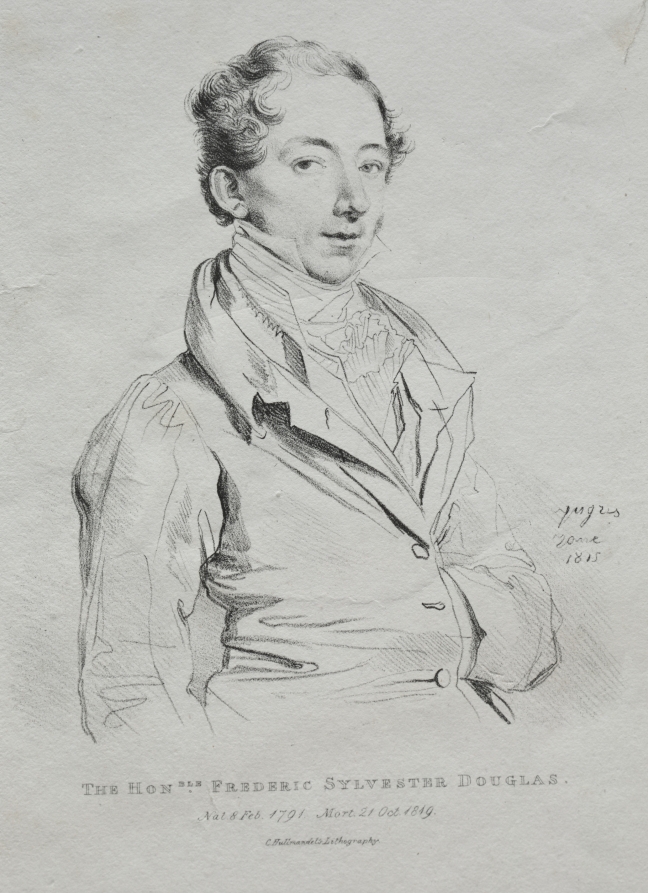
This graphite portrait by Jean-Auguste-Dominique Ingres depicts Charles Thévenin (1764–1838), a French painter and architect who served as director of the French Academy in Rome from 1828 to 1833. Ingres, who was Thévenin's successor at the Academy, executed this precise, elegant drawing in the 1800s, likely during one of their interactions in Rome. The medium—graphite on paper—might seem modest, but Ingres elevated pencil drawing to an art form of breathtaking refinement.
Ingres was renowned for his portrait drawings, which he produced throughout his career as both independent works and preparatory studies. His technique is instantly recognizable: an immaculate contour line that defines form with surgical precision, subtle hatching to suggest volume, and an almost complete avoidance of shading in favor of linear clarity. This portrait captures Thévenin in a thoughtful pose, his head slightly inclined, with the crisp delineation of his features suggesting both individual likeness and classical composure. The lapels of his coat, the collar, and the careful arrangement of his hair are all rendered with Ingres's characteristic restraint.
The relationship between artist and sitter adds historical depth: Thévenin, a Neoclassical history painter trained under Jacques-Louis David, and Ingres, David's most famous pupil, represented successive generations of the French academic tradition. Thévenin's tenure at the Villa Medici oversaw the training of young French artists, including the early Romantics. Ingres's portrait thus documents a moment of institutional continuity—the passing of the academic torch from one generation to the next—while showcasing the draftsmanship that would make Ingres the most celebrated portraitist of his age.
Cultural Impact
Ingres's portrait drawings are among the most accomplished in Western art, prized for their precision, psychological depth, and sheer graphic elegance. They set a standard for neoclassical draftsmanship that influenced Degas, Picasso, and countless modern artists. The Thévenin portrait specifically documents a key figure in French academic institutional history—the directorship of the French Academy in Rome, a position that shaped the course of French art for centuries. Ingres's graphite technique, with its flawless contour lines and minimal shading, became a benchmark for linear purity.
Why It Matters
A masterwork of neoclassical pencil portraiture capturing both individual character and institutional legacy, demonstrating why Ingres is considered the supreme draftsman of his era.