Provenance
Madame J.-A.-D. Ingres, Paris (-1894 ); Hôtel Drouot, Paris (1894 ); Etienne François Haro, Paris (1894-12 ); Hôtel Drouot, Paris (1912 ); Henry Lapauze, Paris (1912-29 ); Hôtel Drouot, Paris (1929 ); Kraushaar Gallery, New York (1929 ); Mr. and Mrs. Lewis B. Williams, Cleveland (1929-52 ); all according to Hans Naef, Die Bildniszeichnungen von J.-A.-D. Ingres (Bern, 1977), vol. 4, p. 140, cat. no. 74: Madame J.-A.-D. Ingres, Paris (not in Lugt); [her sale, Hôtel Drouot, Paris, 10 April 1894, no. 102]; Etienne-François Haro, Paris (Lugt 1241, not stamped); [his sale, Hôtel Drouot, Paris, 3 February 1912, no. 152]; Herny Lapauze, Paris (not in Lugt); [his sale, Hôtel Drouot, Paris, 21 June 1929, no. 12] (photocopy of cat. in department file); [Kraushaar Gallery, New York].
Portrait of a Young Man Standing on the Quirinal with the Turris Comitum in the Background
1800s
Accession Number
1952.528
Medium
graphite
Dimensions
Sheet: 29.7 x 21.5 cm (11 11/16 x 8 7/16 in.)
Classification
Drawing
Credit Line
Mr. and Mrs. Lewis B. Williams Collection
Tags
Color: White
Background & Context
Background Story
Jean-Auguste-Dominique Ingres, the supreme neoclassical draftsman, executed this graphite portrait of an unidentified young man in the 1800s, probably during his first Italian period (1806–1824) when he was based in Rome. The meticulous inscription identifies the setting: the Quirinal Hill, with the Turris Comitum (Tower of the Counts) visible in the background. Quirinal was the site of the papal palace, and Ingres's studio was not far away.
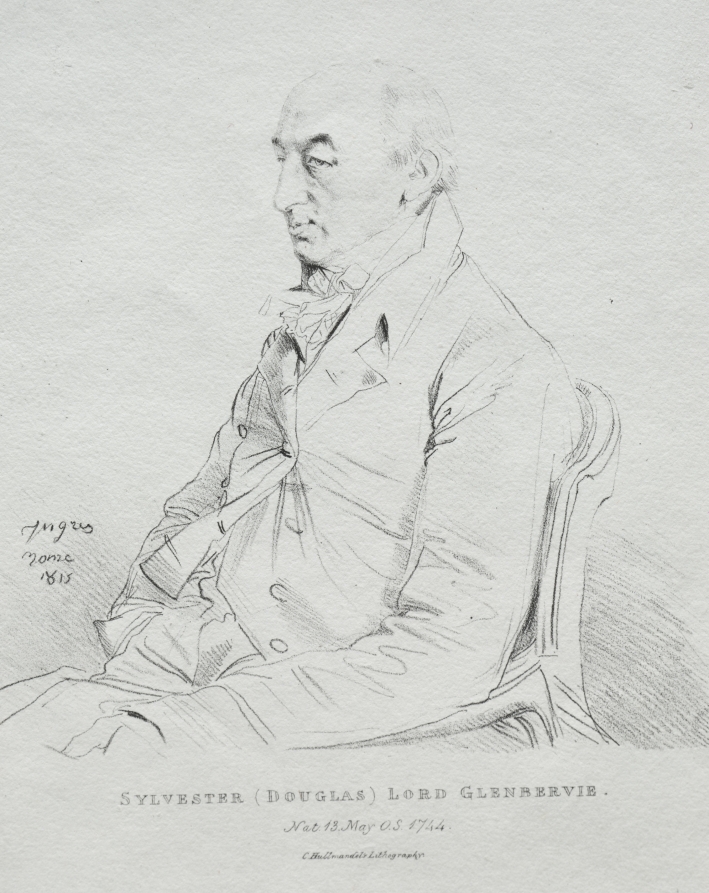
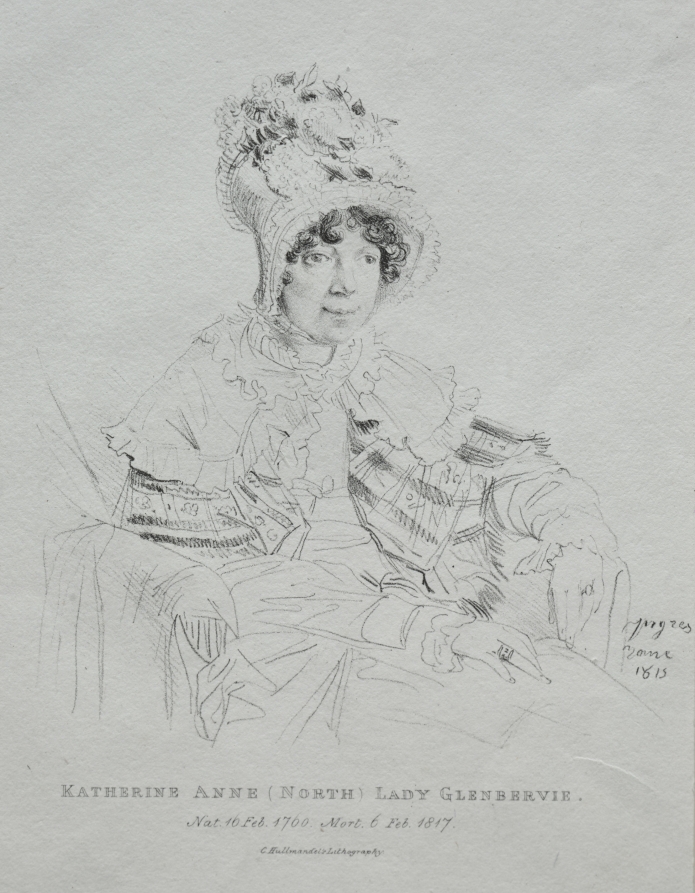
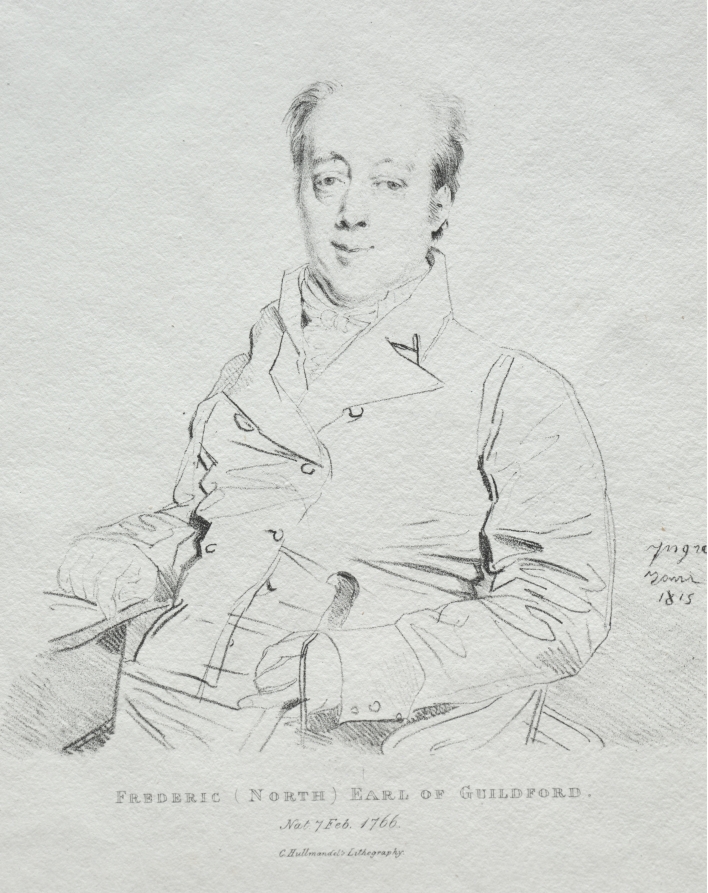
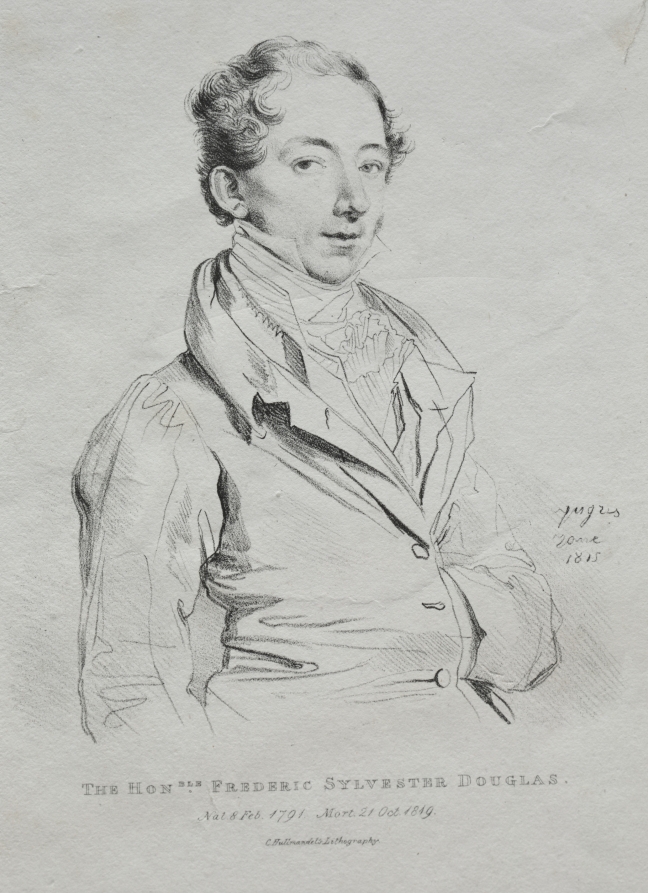
The drawing exemplifies Ingres's legendary portrait draftsmanship. The young man stands in a relaxed contrapposto, one hand tucked into his coat in a gesture borrowed from classical statuary (the "rhetorician's pose" popularized by Napoleon's court painter Jacques-Louis David). His face is rendered with Ingres's characteristic linear precision: each contour is exact, each feature calibrated to capture both likeness and ideal form. The hair is drawn in fine, parallel hatching that follows the skull's curvature, while the coat and collar are defined with broader, more economical strokes.
Ingres made his living in Rome primarily through portrait drawings like this one. Wealthy tourists, diplomats, and clergy flocked to his studio to sit for what were considered the finest pencil portraits in Europe. Each drawing took one to three sittings and cost roughly 20 scudi—a substantial sum. Ingres produced hundreds of these portraits, and they are remarkable for their consistency of quality and their evocation of individual character within the framework of neoclassical idealism.
The sitter's identity remains unknown, which adds a poignant dimension: he is a young man preserved in the amber of Ingres's graphite, his pose formal but his expression slightly vulnerable, caught at a moment of transition between youth and adulthood. The drawing is also a topographic document, recording the Roman landscape before the unification of Italy transformed the city.
Cultural Impact
Ingres's Roman portrait drawings represent the pinnacle of neoclassical draftsmanship and a crucial economic foundation of his career. They established a standard of linear perfection that influenced generations of artists, from Degas (who called Ingres "the greatest of our masters") to Picasso's neoclassical period of the 1920s. This particular drawing also serves as a visual document of early 19th-century Rome, capturing both a specific physiognomy and an urban topography now largely vanished.
Why It Matters
A masterful example of Ingres's celebrated pencil portraiture, this drawing combines neoclassical precision with intimate character study, all set against the topography of Napoleonic-era Rome.