Accession Number
1954.703
Medium
pen and brown ink and brush and gray wash
Dimensions
Sheet: 19.2 x 29.2 cm (7 9/16 x 11 1/2 in.)
Classification
Drawing
Credit Line
The Norweb Collection
Tags
Drawing Baroque (1600–1750) Ink Dutch Color: White Color: Gray
Background & Context
Background Story
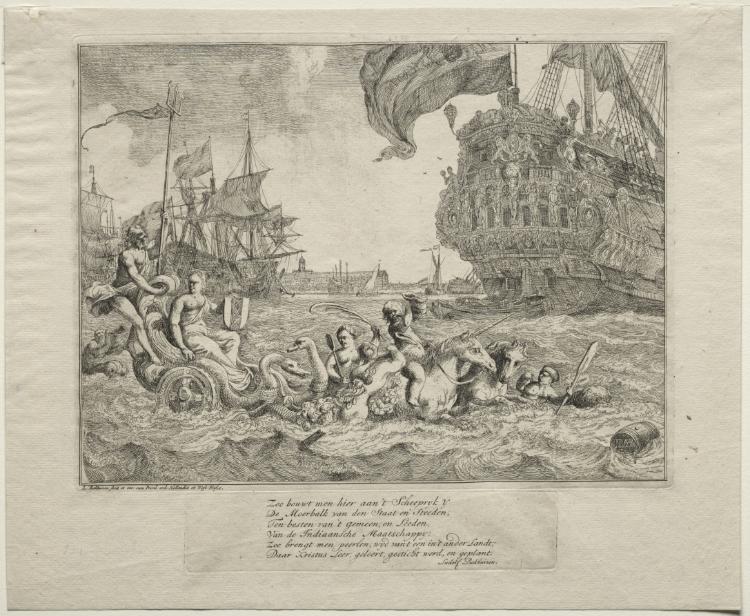
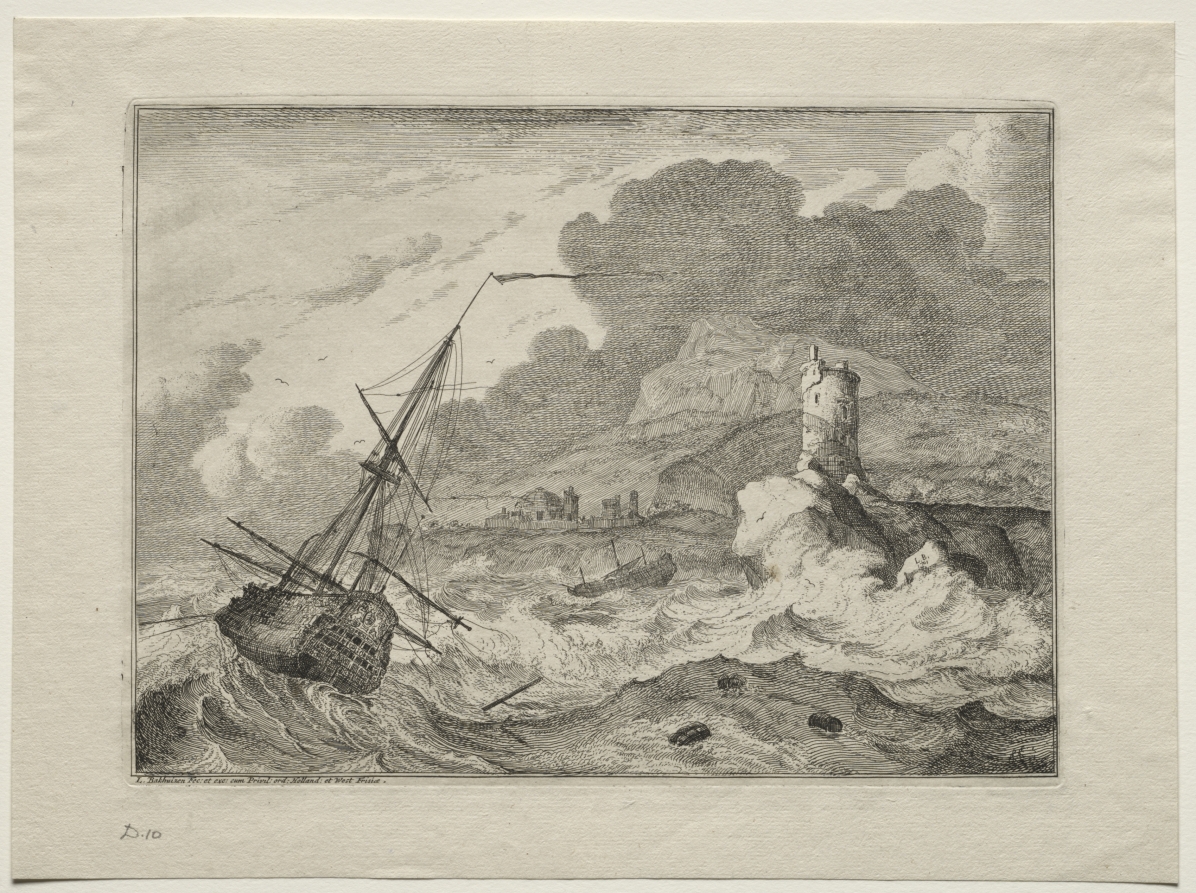
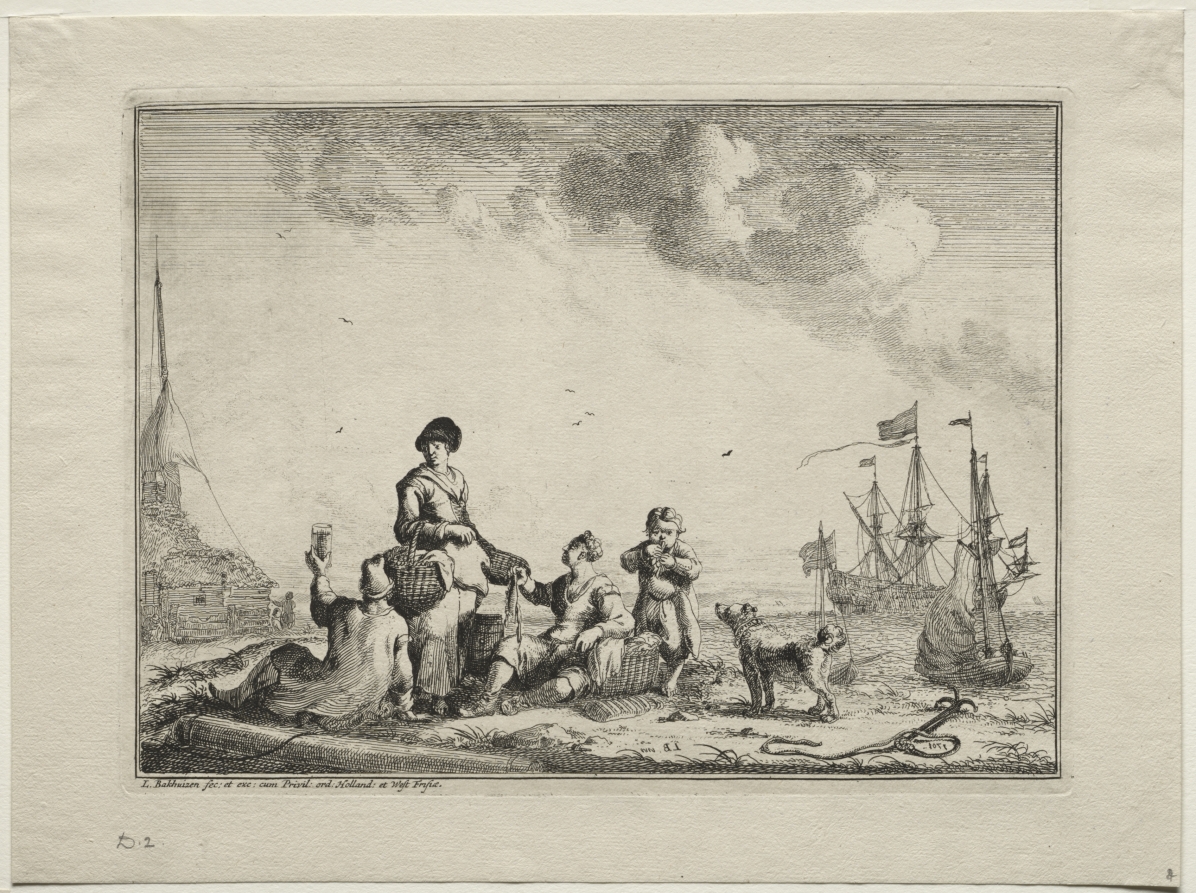
Ships from 1650-1700 is a pen and wash drawing by Backhuysen that demonstrates the rapid observation and economical execution that characterize the best Dutch marine drawings. The drawing reduces ships and sea to their essential outlines and tonal values, showing the compositional thinking that underlies Backhuysen's more finished paintings without the elaboration that the oil medium demands. The combination of pen and brown ink for linear definition and brush and gray wash for atmospheric effect is the standard Dutch marine drawing technique, and Backhuysen's handling of it is both economical and expressive.
Cultural Impact
Backhuysen's marine drawings are among the most accomplished in the Dutch tradition because they combine the topographical accuracy of the marine painter with the tonal subtlety of the landscape draftsman. Ships demonstrates the economy of means that distinguishes the best Dutch marine drawing: the minimum of lines and washes necessary to suggest ships at sea, with no elaboration that the medium does not require. The drawing is a reminder that Dutch marine painting grew out of direct observation, not just studio composition.
Why It Matters
Ships is Backhuysen's marine drawing at its most economical: the minimum of lines and washes necessary to suggest ships at sea, with no elaboration that the medium does not require. The drawing is a reminder that Dutch marine painting grew out of direct observation—the rapid on-site notation of ships and sea that provided the compositional raw material for finished paintings.