Description
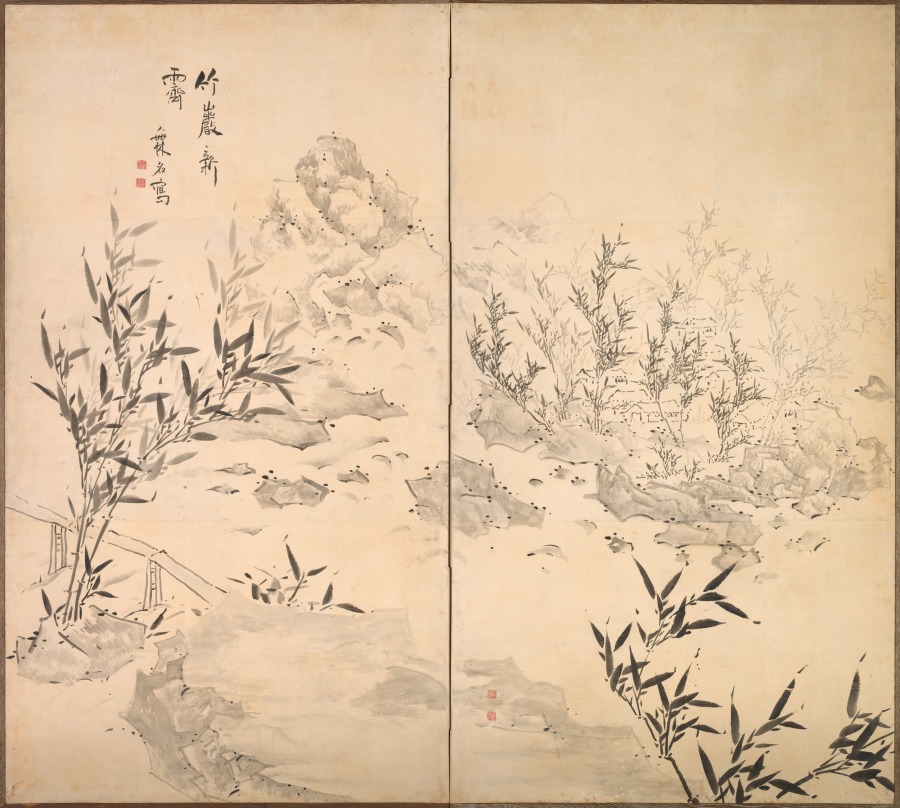
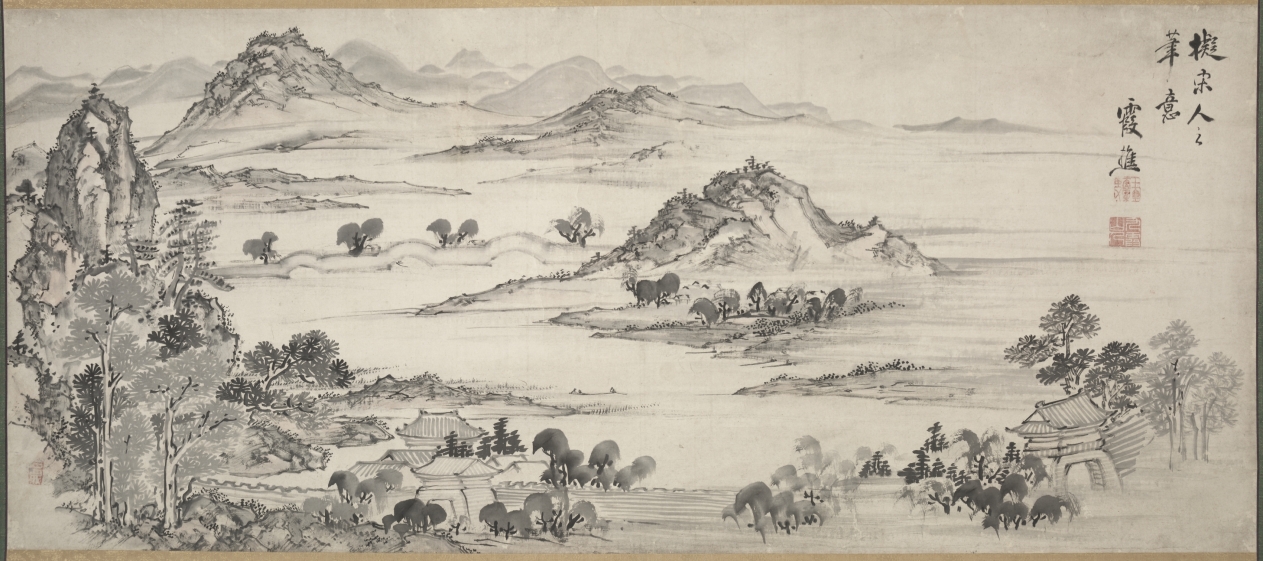
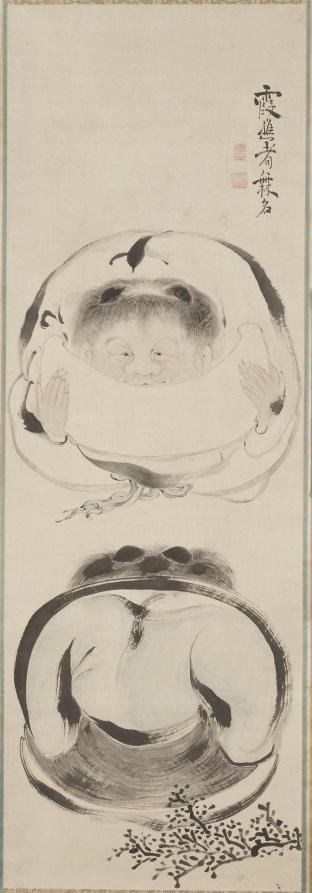
Ike Taiga was subject to many artistic influences; we know he practiced Zen calligraphy from an early age, his father may have had ties to the famous painter Ōgata Kōrin (1658–1716), he may have trained under a Tosa school painter, and he is thought to have seen Western images early on that informed his approach in representing depth. Though he started with professional beginnings—making a living after his father’s death by selling paintings on fans—he surrounded himself with the members of the literati community, and never stopped absorbing stylistic influences from diverse sources throughout his career. As a result, his style is unique and aesthetically definitive of nanga—the name given to Japanese literati painting.
Provenance
(Mayuyama and Company, Tokyo, Japan, sold to the Cleveland Museum of Art) (?-1961); The Cleveland Museum of Art, Cleveland, OH (1961-)
Accession Number
1961.47
Medium
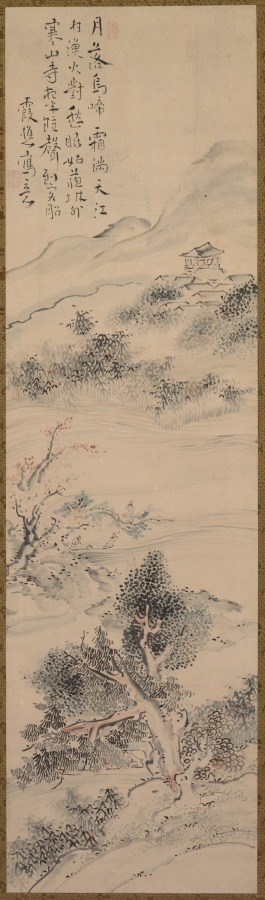
Hanging scroll, ink and color on silk
Dimensions
Painting only: 124 x 49.4 cm (48 13/16 x 19 7/16 in.); Including mounting: 210 x 62.9 cm (82 11/16 x 24 3/4 in.)
Classification
Painting
Credit Line
Edward L. Whittemore Fund
Tags
Painting Baroque (1600–1750) Ink Silk Painting Japanese Color: Brown Color: Gray
Background & Context
Background Story
Ike Taiga (1723-1776) was a Japanese painter known as one of the most important painters of the Nanga (Southern School) tradition, whose literati paintings make him one of the most important Japanese painters of the Edo period. Fishing in Springtime from the 1700s depicts a fishing scene in the literati manner of the Nanga tradition that distinguishes Taiga's best work from the more formal painting of his contemporaries. Taiga was known for his ability to combine the Chinese literati tradition with Japanese artistic sensibilities, and the fishing in springtime subject shows his talent for depicting the Chinese literati ideal of the scholar-fisherman with both Chinese tradition and Japanese sensibility.
Cultural Impact
Fishing in Springtime is important in the history of Japanese painting because it demonstrates the literati manner that Taiga brought to painting as one of the most important painters of the Nanga tradition. Taiga's literati paintings—combining the Chinese literati tradition with Japanese artistic sensibilities—represent one of the most important traditions in Edo period painting, and the 1700s painting shows the combination of Chinese tradition with Japanese sensibility that makes Taiga one of the most important painters of the Nanga school.
Why It Matters
Fishing in Springtime is Taiga's Nanga literati painting: a fishing scene rendered in the literati manner of one of the most important painters of the Japanese Southern School. The 1700s painting shows the combination of Chinese literati tradition with Japanese artistic sensibility that makes Taiga one of the most important painters of the Edo period.