Provenance
Richard B. Hobart [1885–1963], Cambridge, MA, sold to the Cleveland Museum of Art (?–1962); The Cleveland Museum of Art, Cleveland, OH (1962–)
Accession Number
1962.157.3
Medium
album leaf: ink and color on paper
Dimensions
Overall: 28.6 x 44 cm (11 1/4 x 17 5/16 in.)
Classification
Painting
Credit Line
John L. Severance Fund
Tags
Painting Baroque (1600–1750) Ink Paper Chinese Color: White
Background & Context
Background Story
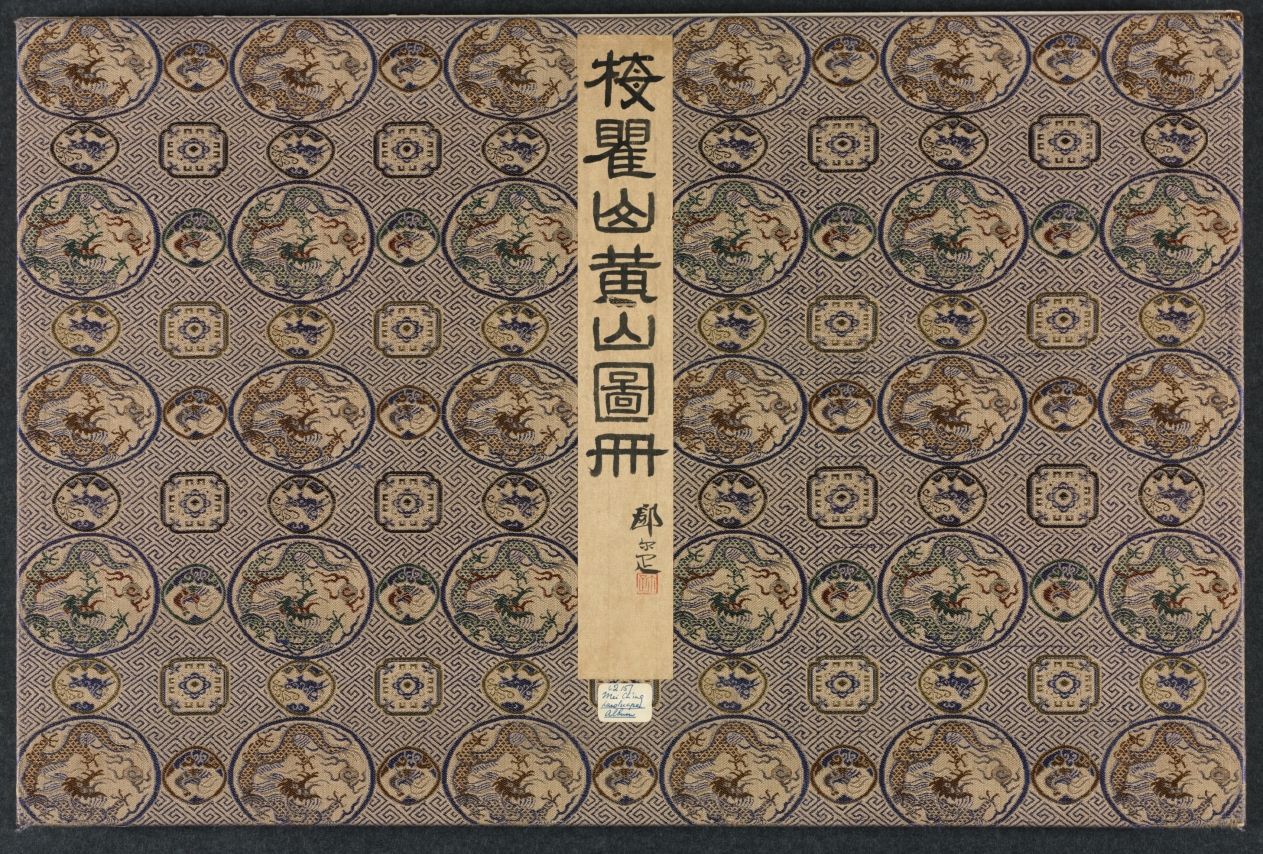
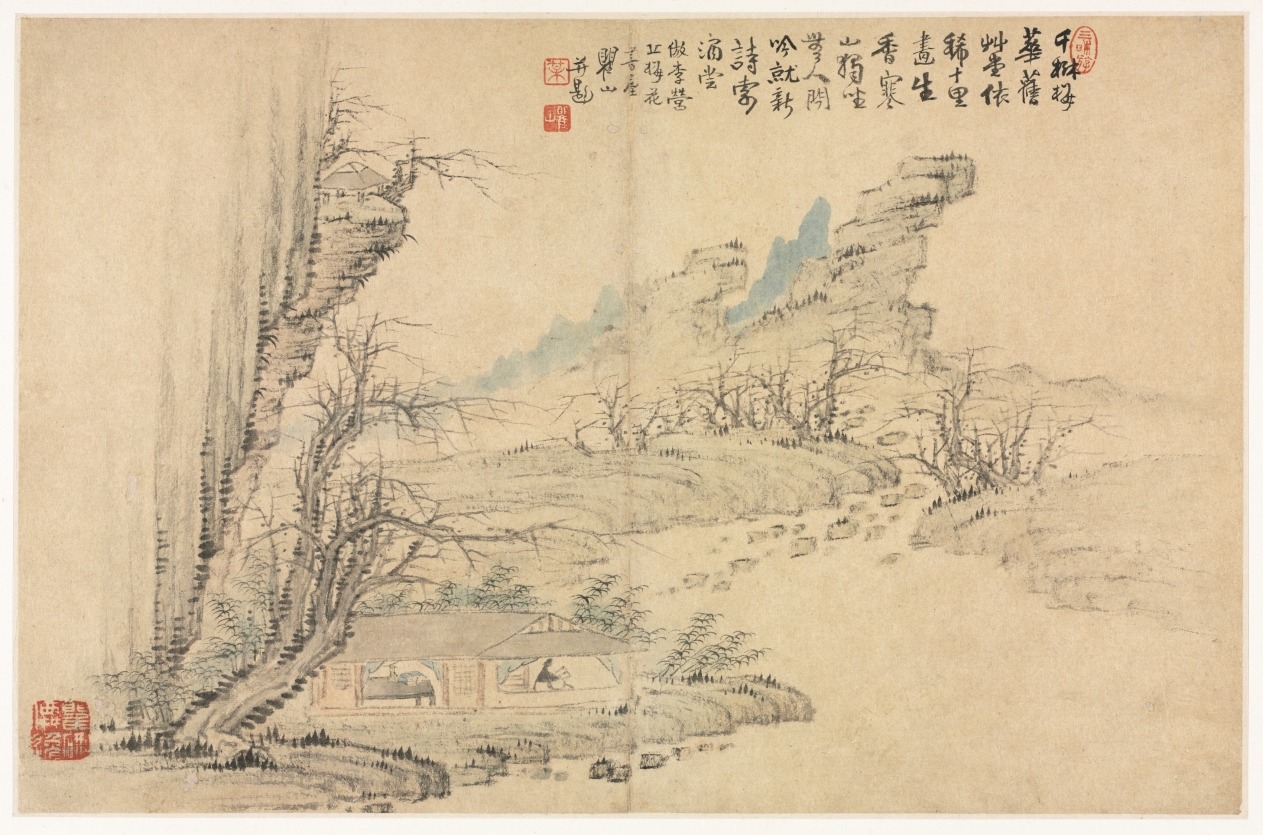
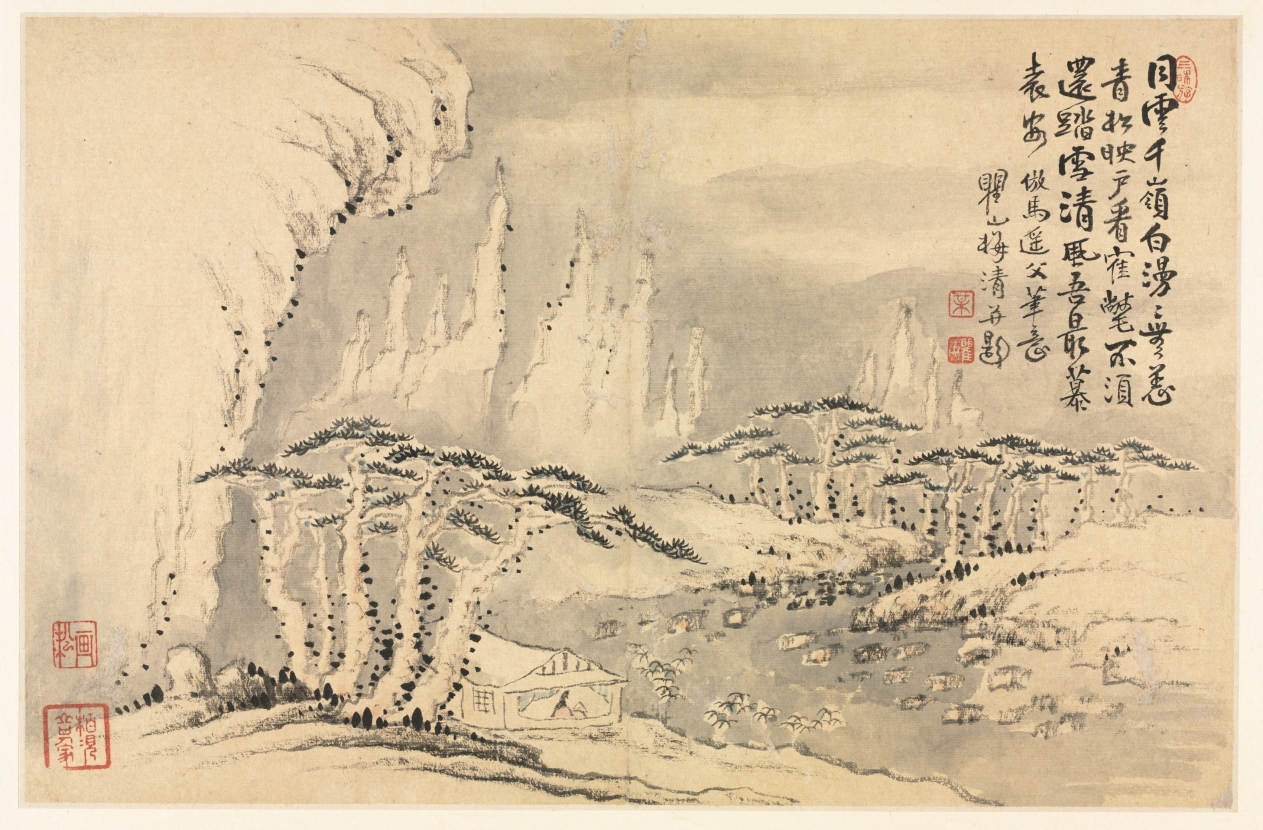
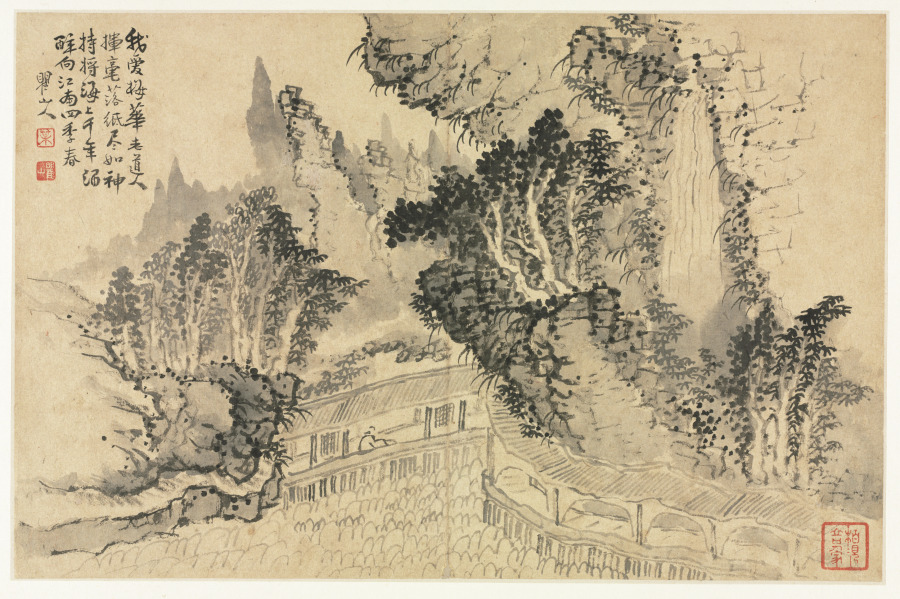
Mei Qing (1623-1697) was a Chinese painter of the early Qing dynasty known for the distinctive, expressive landscape manner that makes him one of the most original painters of the Anhui school. Landscapes in Various Styles after Old Masters from 1690 demonstrates Mei Qing's ability to adopt the styles of different earlier masters while maintaining his own distinctive manner, a traditional exercise in Chinese painting that shows the painter's command of the tradition. The 1690 date places this near the end of Mei Qing's career, when his landscape manner was at its most distinctive and expressive.
Cultural Impact
Landscapes in Various Styles after Old Masters is important in the history of Chinese painting because it demonstrates Mei Qing's command of the painting tradition combined with his own distinctive manner. The exercise of painting in various styles after old masters—a traditional practice in Chinese painting—shows a painter's command of the tradition, and Mei Qing's ability to maintain his own distinctive manner while adopting different styles shows the originality that makes him one of the most important painters of the Anhui school.
Why It Matters
Landscapes in Various Styles after Old Masters is Mei Qing demonstrating command of the Chinese painting tradition: adopting different earlier styles while maintaining his own distinctive, expressive manner. The 1690 painting shows the Anhui school painter's command of the tradition combined with the originality that makes him one of the most distinctive landscape painters of the early Qing dynasty.