Provenance
Private Collection, given to the Cleveland Museum of Art (?–1967); The Cleveland Museum of Art, Cleveland, OH (1967–)
Accession Number
1967.193.i
Medium
album leaf, ink and color on paper
Dimensions
Image: 14.4 x 20.3 cm (5 11/16 x 8 in.); Album, closed: 15 x 10.8 x 3 cm (5 7/8 x 4 1/4 x 1 3/16 in.)
Classification
Painting
Credit Line
Anonymous Gift
Tags
Painting Baroque (1600–1750) Ink Paper Chinese Color: White
Background & Context
Background Story
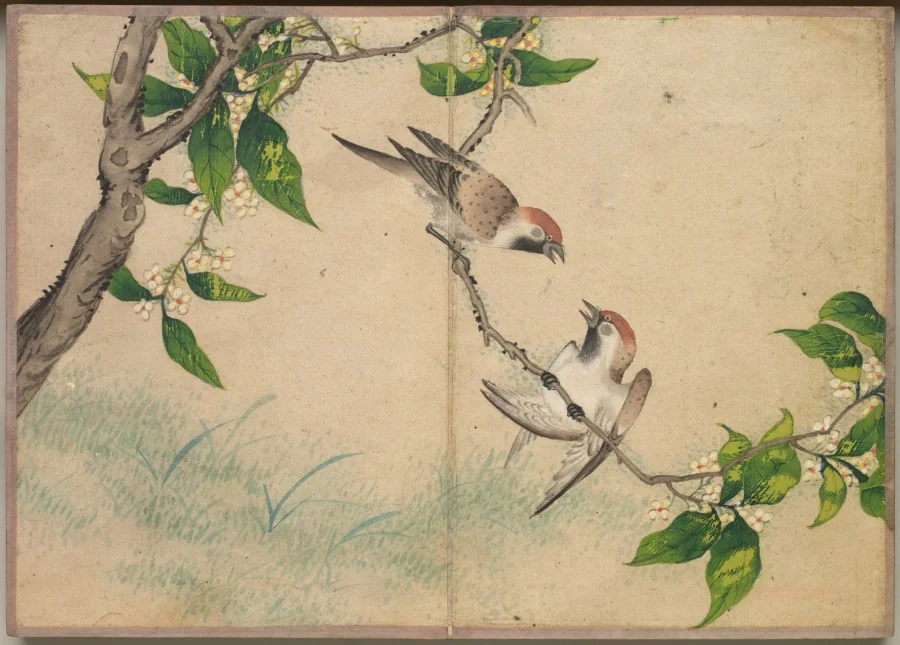
Gossiping Sparrows depicts two or more sparrows in animated interaction — a subject that has delighted Chinese painters since the Song dynasty. The sparrow (que) was a common subject in flower-and-bird painting because its lively behavior and social nature provided natural opportunities for narrative composition. Zhang Ruoai captures the sparrows in mid-interaction, their postures and gestures suggesting conversation, argument, or gossip — the human quality that Chinese painters traditionally attributed to these sociable birds.
Cultural Impact
The 'gossiping sparrows' motif connects Zhang Ruoai to a tradition that includes some of the greatest flower-and-bird painters in Chinese history, from Huang Quan in the Five Dynasties period to the Song emperor Huizong. In each generation, the motif was reinterpreted: Huang Quan's sparrows were decoratively formal, Huizong's were symbolically loaded, and Zhang Ruoai's are naturalistically observed while maintaining the charm and humor that the subject demands.
Why It Matters
Gossiping Sparrows is Zhang Ruoai at his most charming and most traditional — a subject that has delighted Chinese painters for a thousand years, treated with the Qing court's characteristic blend of naturalistic observation and decorative elegance.
Related Artworks
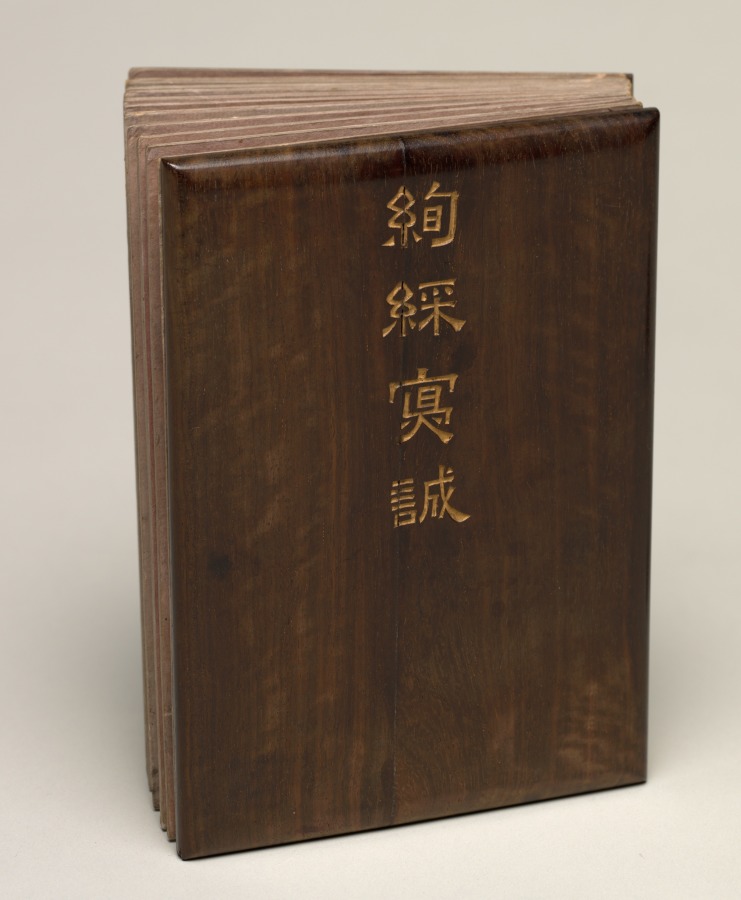
Desk Album: Flower and Bird Paintings
Zhang Ruoai
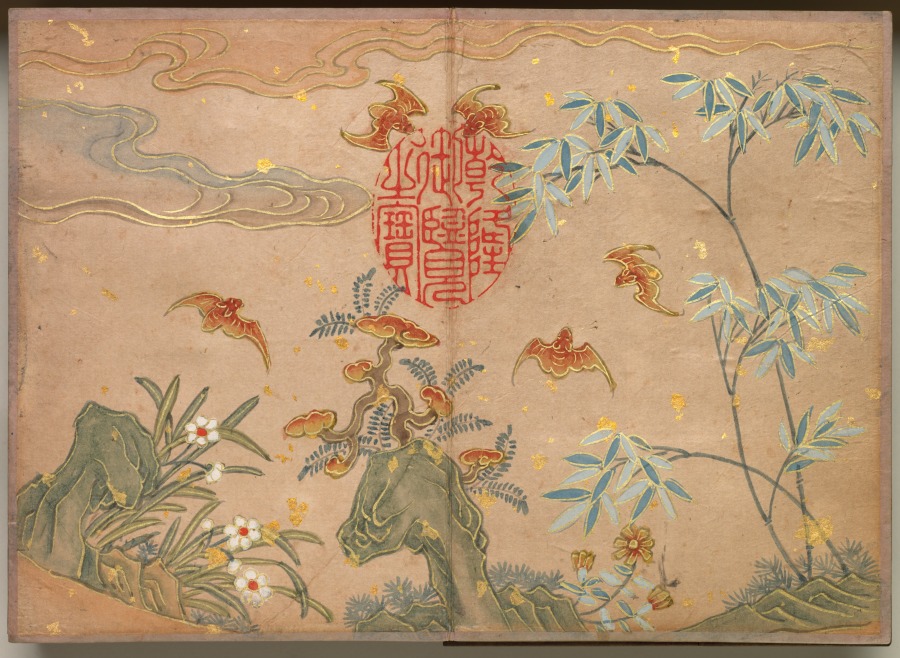
Desk Album: Flower and Bird Paintings (Bats, rocks, flowers oval calligraphy)
Zhang Ruoai
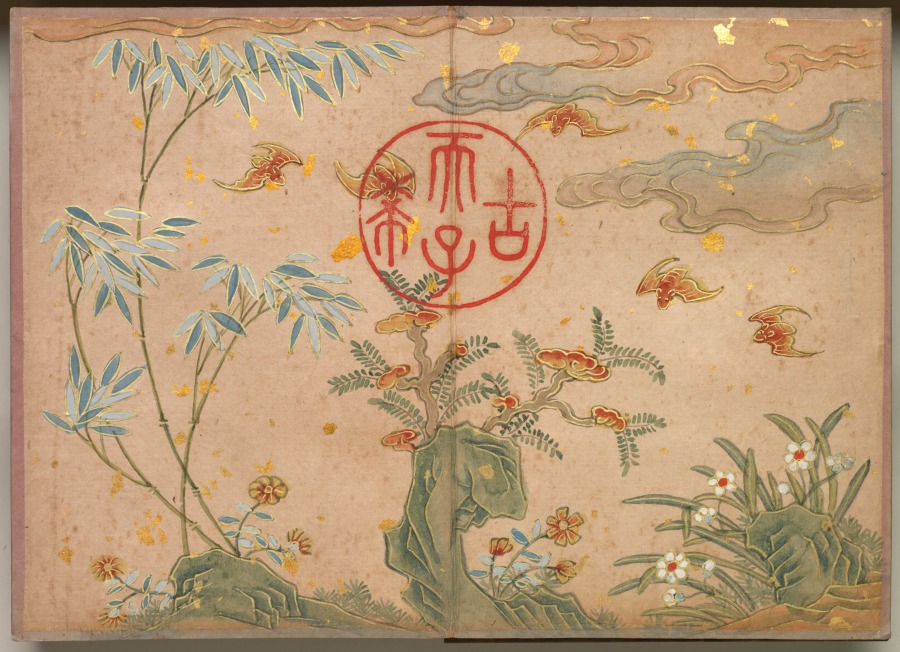
Desk Album: Flower and Bird Paintings (Bats, rocks, flowers circular calligraphy)
Zhang Ruoai
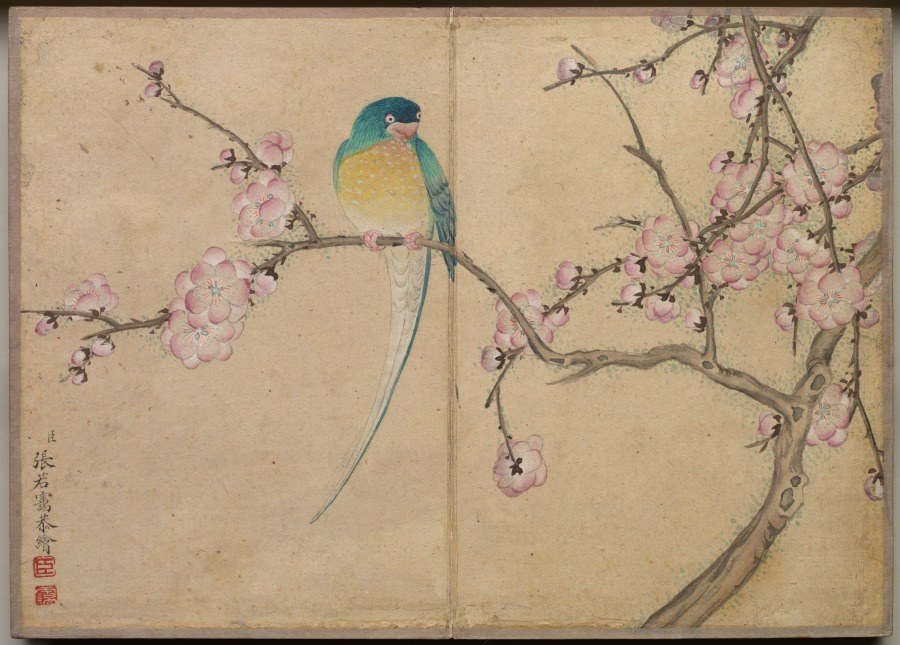
Desk Album: Flower and Bird Paintings (Bird with Plum Blossoms)
Zhang Ruoai