Accession Number
1970.288
Medium
black chalk (stumped in places) and brush and black chalk wash
Dimensions
Sheet: 40.8 x 30.7 cm (16 1/16 x 12 1/16 in.); Secondary Support: 52.2 x 42.2 cm (20 9/16 x 16 5/8 in.)
Classification
Drawing
Credit Line
Mr. and Mrs. Charles G. Prasse Collection
Tags
Drawing Neoclassical & Romantic (1751–1850) Italian Color: Brown Color: Gray
Background & Context
Background Story
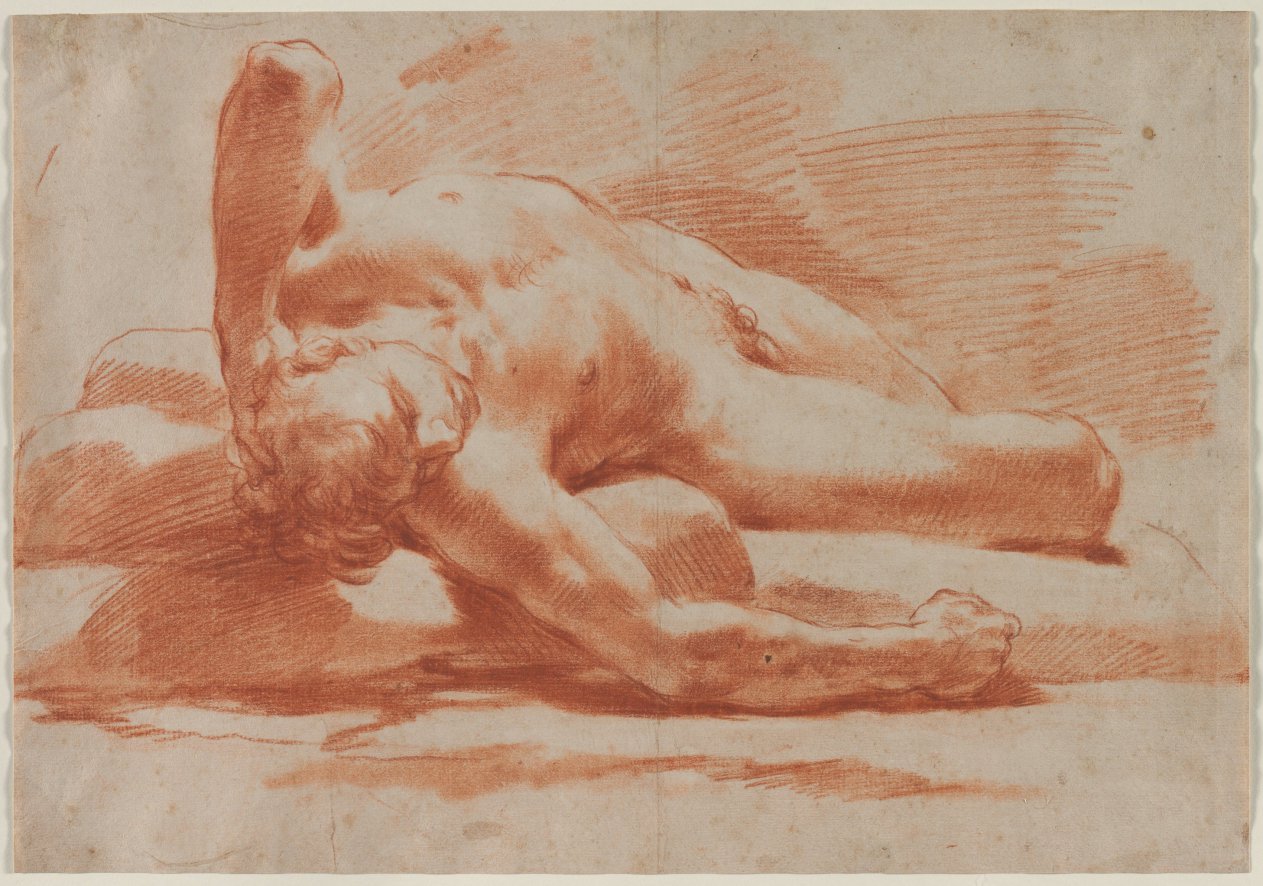
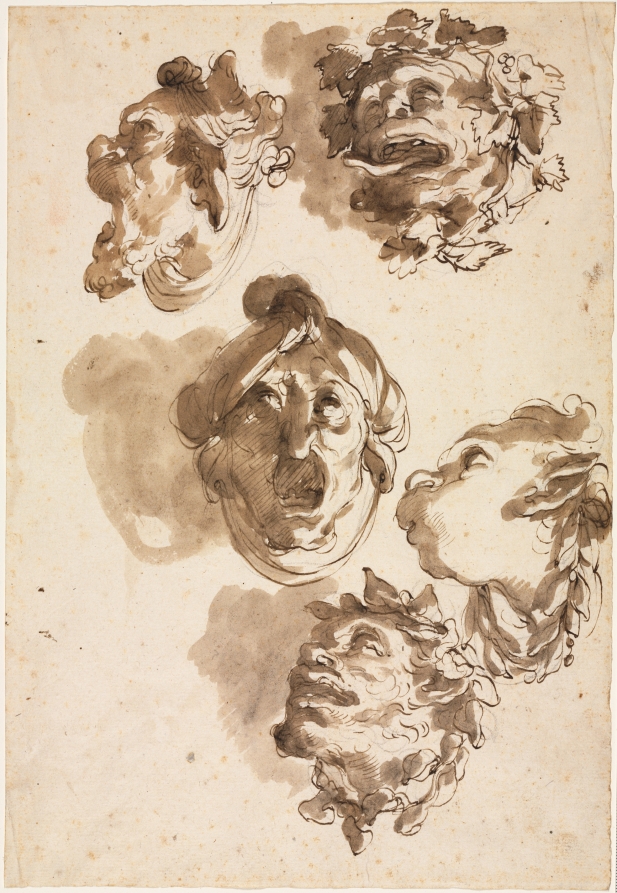
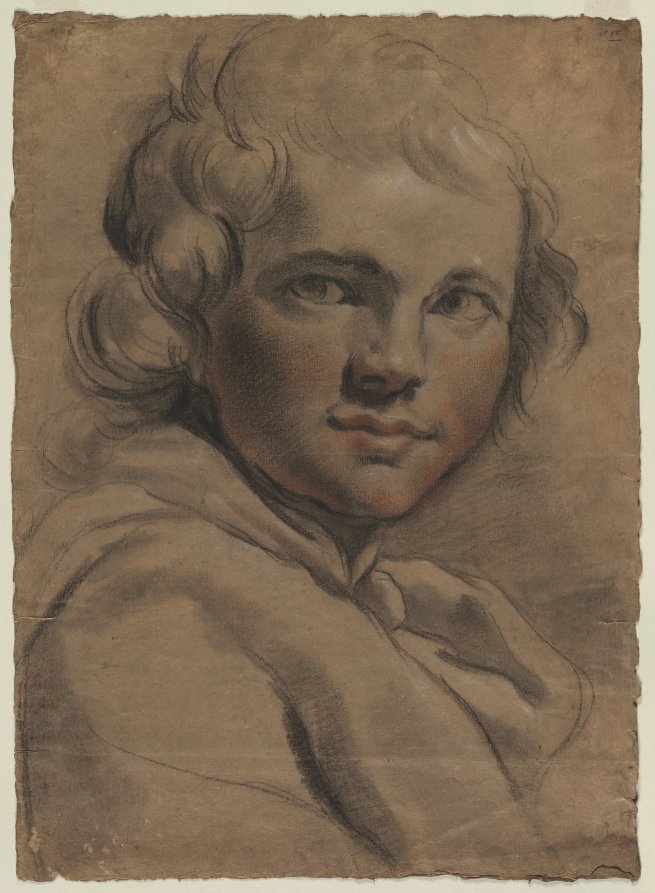
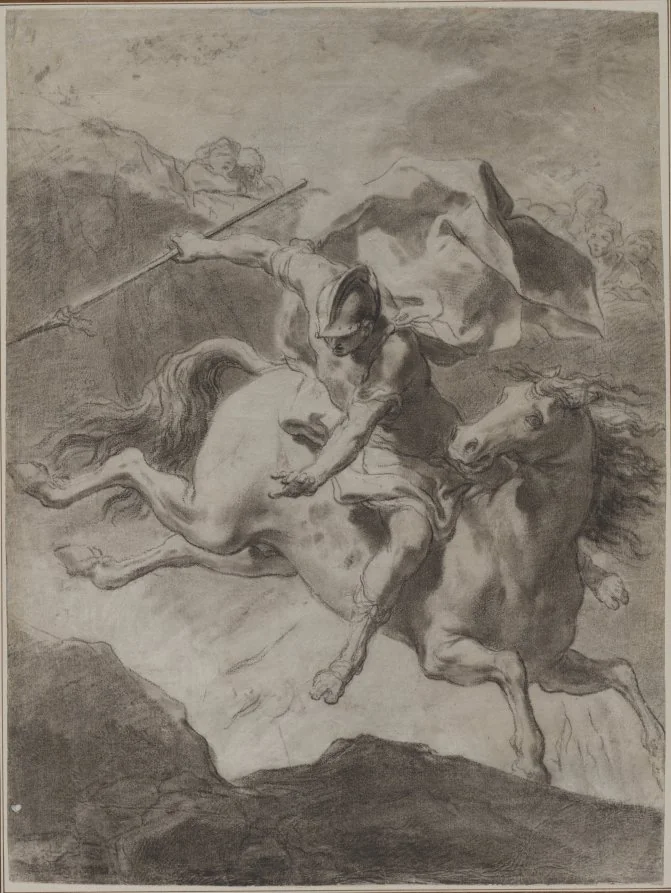
Gaetano Gandolfi (1734-1802) was a Bolognese painter known for his dynamic compositions and fluent draftsmanship in the late Baroque tradition. Death of Marcus Curtius from 1799 depicts the legendary Roman hero Marcus Curtius who sacrificed himself by riding his horse into a chasm that had opened in the Roman Forum, an event that the Romans interpreted as a sign that the chasm required the city's most valuable possession—the virtue of a brave man. Gandolfi's drawing in black chalk and wash demonstrates the dynamic compositional energy and fluent handling that distinguish his late work, and the 1799 date makes this one of his last works.
Cultural Impact
Gandolfi's Death of Marcus Curtius is an important example of late Baroque draftsmanship because it demonstrates the dynamic compositional energy and fluent handling that distinguish the Bolognese tradition at its most accomplished. The black chalk and wash medium allows Gandolfi to render the dramatic subject with the rapid, fluid handling that characterizes the best Baroque drawing, and the 1799 date makes this one of the last works of the Bolognese Baroque tradition before the Neoclassical period transformed Italian art.
Why It Matters
Death of Marcus Curtius is Gandolfi's late Baroque draftsmanship at its most dynamic: the legendary Roman hero's sacrifice rendered in black chalk and wash with the fluent handling that distinguishes the Bolognese tradition. The 1799 drawing is one of the last works of the Italian Baroque before Neoclassicism transformed Italian art.