Description
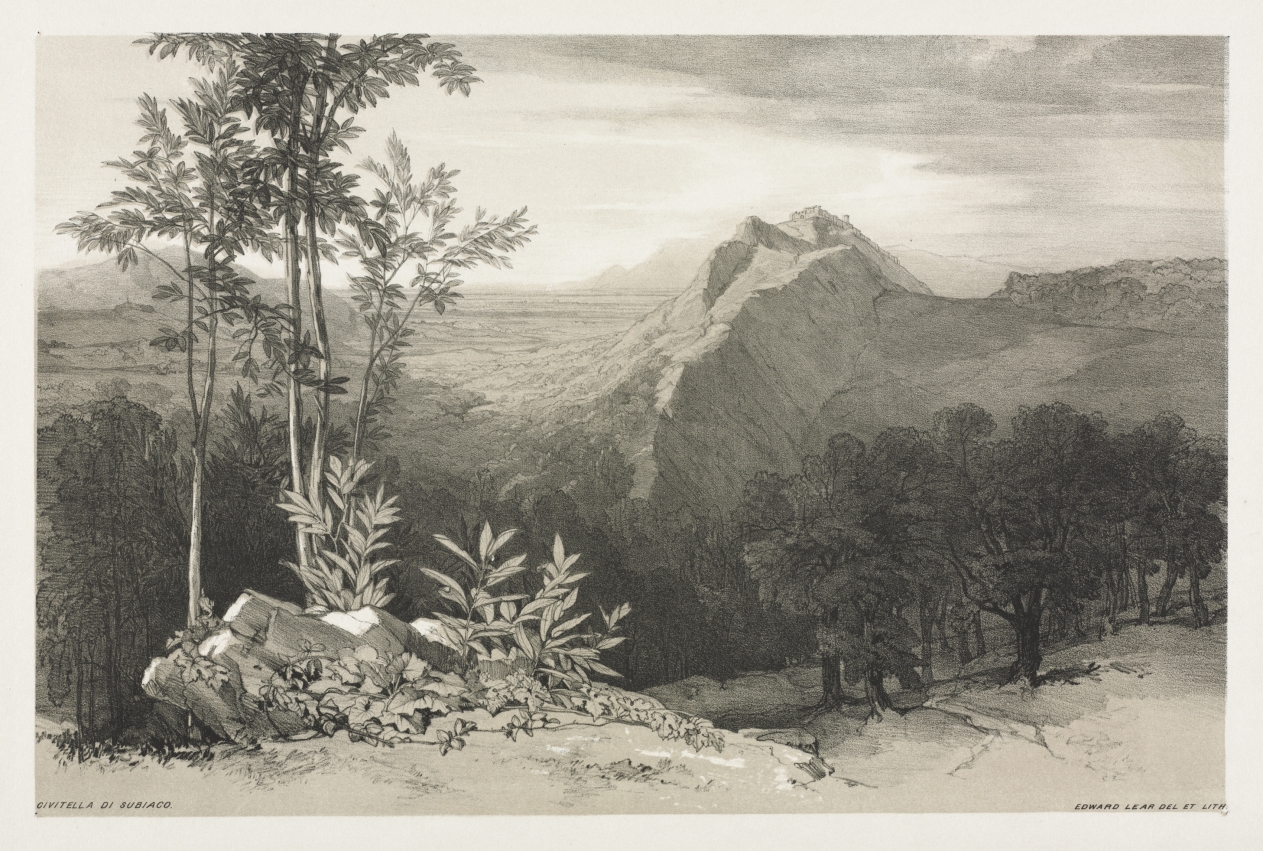
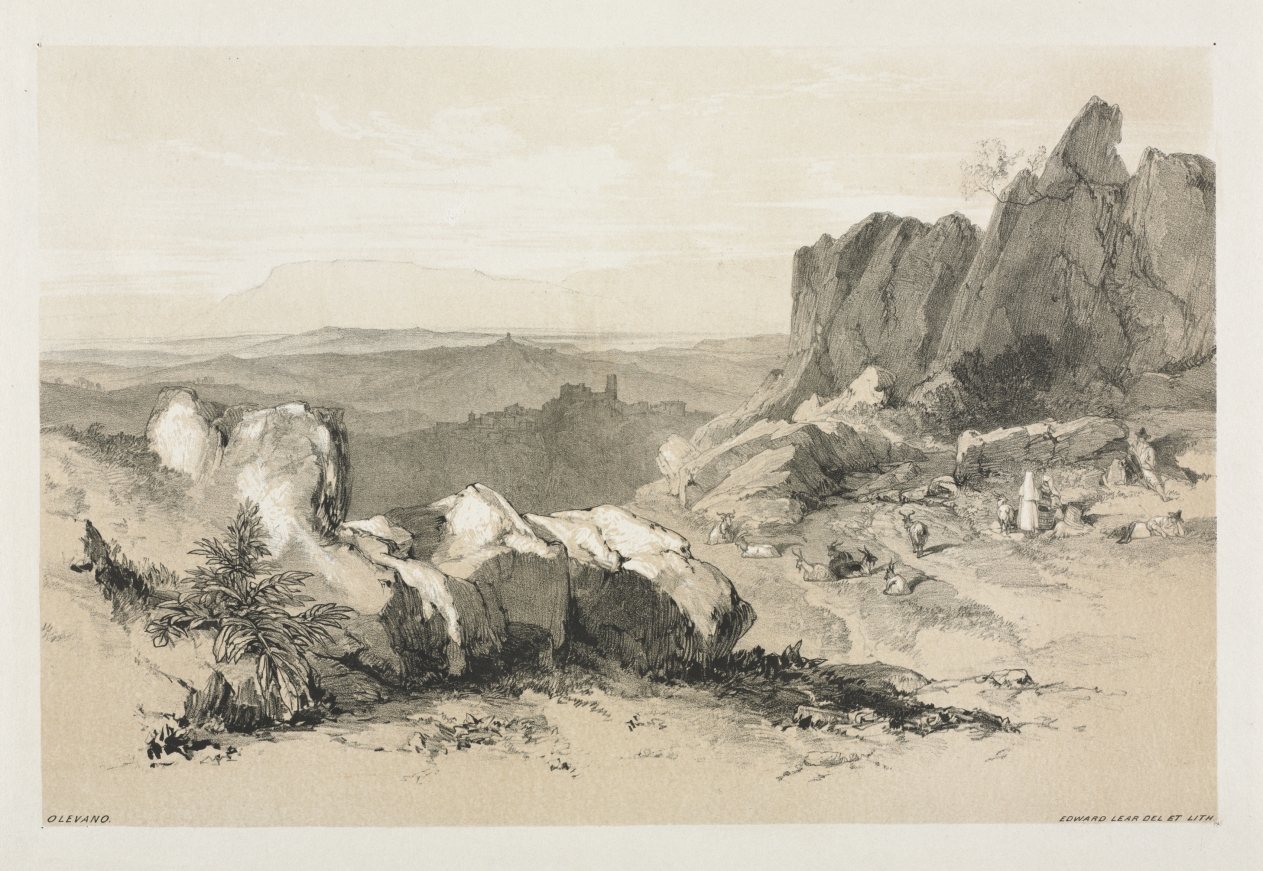
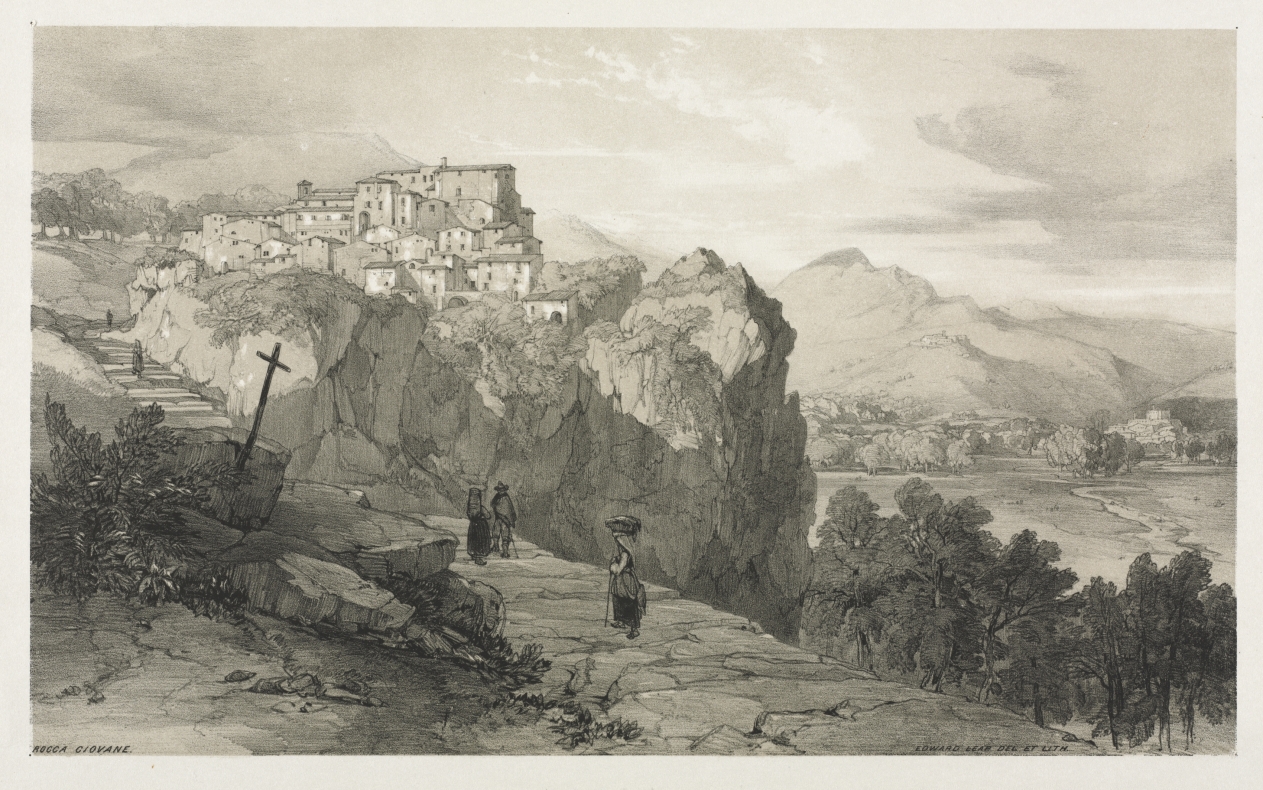
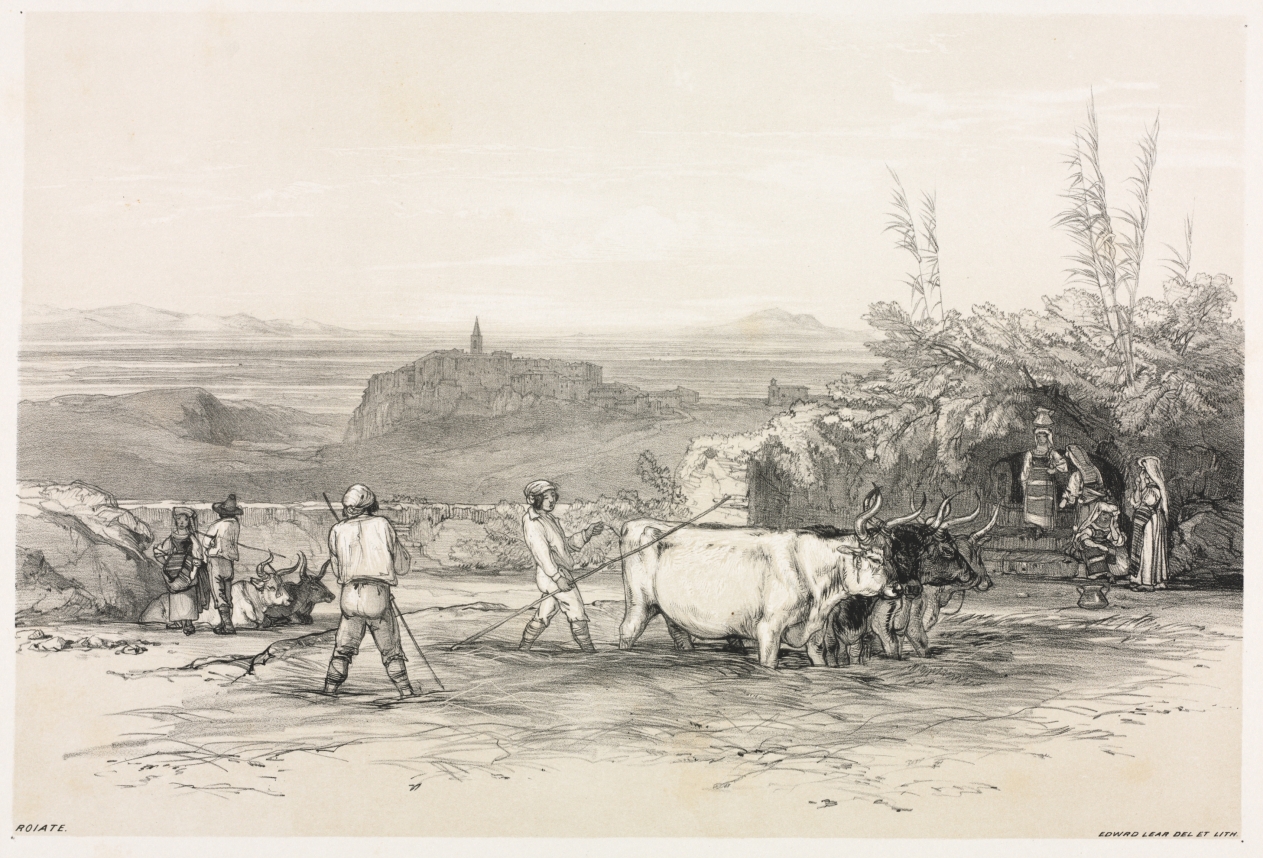
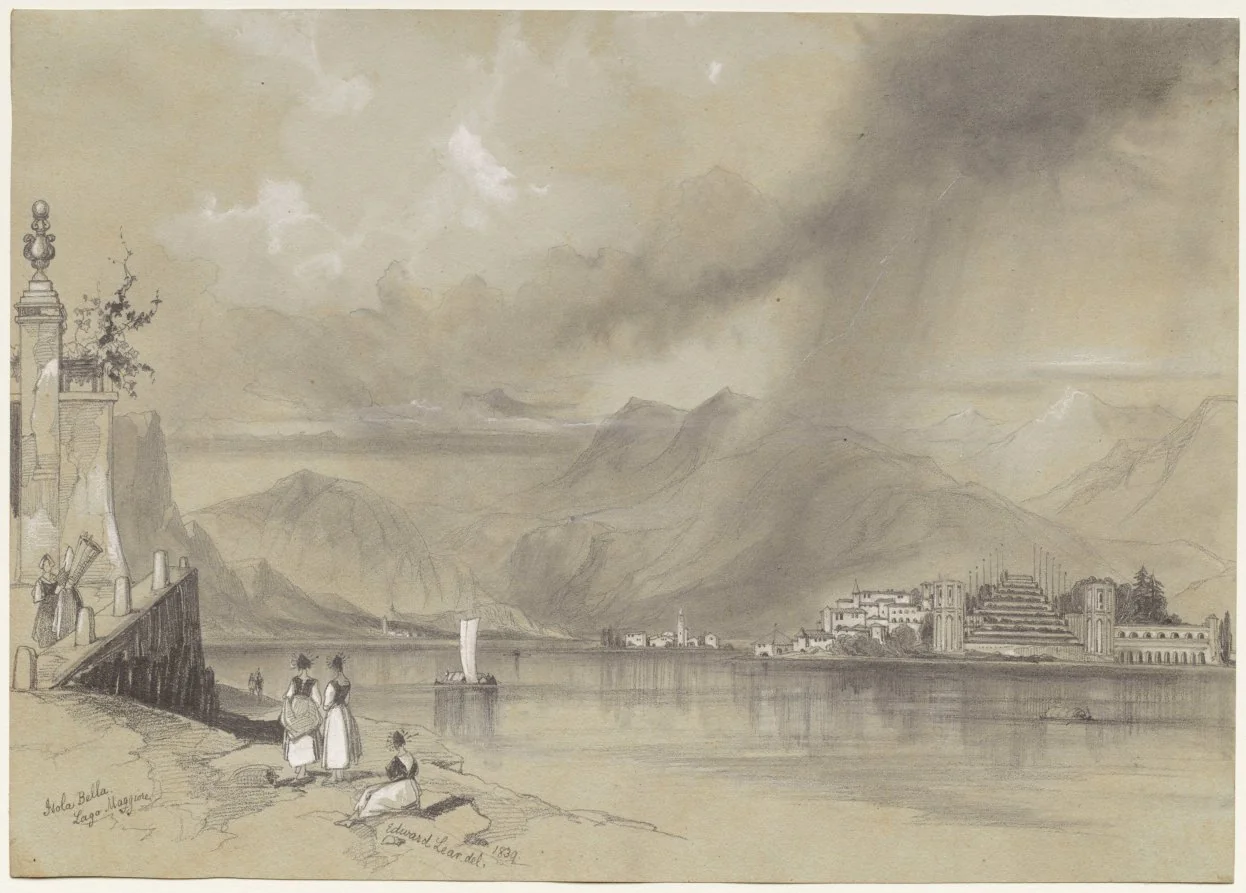
Most famous for humorous poems such as "The Owl and the Pussycat," Lear was also a painter and illustrator who wittily described himself as "Greek Topographical Painter par excellence." As a young artist, he traveled to Rome and remained abroad for the majority of his life. He undertook walking tours in Italy, Greece, Switzerland, and France, and sketched assiduously. Upon finding what he deemed a good subject, Lear observed the scenery through a monocle and then rapidly sketched the details of the view in graphite, usually recording the precise location and date. Later, he worked up the drawing in ink and laid in color washes. This drawing records a view of Lake Maggiore in Italy.
Provenance
[]
Accession Number
1973.83
Medium
graphite heightened with white
Dimensions
N/A
Classification
Drawing
Credit Line
Gift of Mr. and Mrs. Eugene Victor Thaw
Tags
Drawing Neoclassical & Romantic (1751–1850) Graphite & Pencil British Color: Gray
Background & Context
Background Story
Edward Lear (1812-1888) was an English artist and poet known for his nonsense verse and his landscape paintings of the Mediterranean and Near East that combine topographical accuracy with the atmospheric effects of the Romantic landscape tradition. Isola Bella, Lago Maggiore from 1839 depicts the famous island on Lake Maggiore in the topographically accurate, atmospheric manner that distinguishes Lear's best landscape paintings. The 1839 date places this in Lear's early landscape period, when he was producing the precisely observed, atmospheric landscape paintings that are his most accomplished works as a painter.
Cultural Impact
Isola Bella, Lago Maggiore is important in Lear's landscape oeuvre because it demonstrates the topographically accurate, atmospheric manner that he brought to landscape painting as an artist better known for his nonsense verse. Lear's landscape paintings—combining precisely observed topography with atmospheric effect—represent an accomplished tradition of English landscape painting that is often overlooked in favor of his nonsense verse, and the 1839 painting shows this tradition at its most characteristic.
Why It Matters
Isola Bella, Lago Maggiore is Lear's topographically accurate landscape: the famous island on Lake Maggiore rendered in the precisely observed, atmospheric manner of the artist better known for nonsense verse. The 1839 painting shows Lear's landscape painting at its most accomplished, combining topographical accuracy with atmospheric Romantic effect.