Provenance
(Kozo Yabumoto 藪本公三, Amagasaki, Hyōgo Prefecture, Japan, sold to Mr. and Mrs. Kelvin Smith); The Kelvin Smith Collection, Cleveland, OH, given by Mrs. Kelvin [Eleanor Armstrong] Smith [1899–1998] to the Cleveland Museum of Art (?–1985); The Cleveland Museum of Art, Cleveland, OH (1985–)
Accession Number
1985.259
Medium
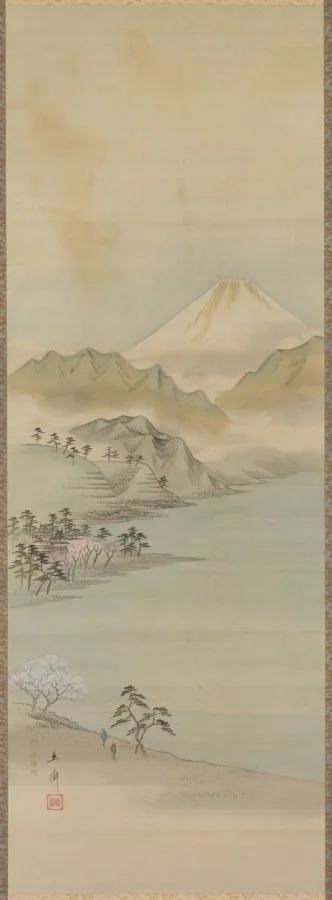
hanging scroll; ink and color on silk
Dimensions
Overall: 174 x 49.9 cm (68 1/2 x 19 5/8 in.); Painting only: 90.2 x 32.2 cm (35 1/2 x 12 11/16 in.)
Classification
Painting
Credit Line
The Kelvin Smith Collection, given by Mrs. Kelvin Smith
Tags
Painting Neoclassical & Romantic (1751–1850) Ink Silk Painting Japanese Color: White Color: Gray
Background & Context
Background Story
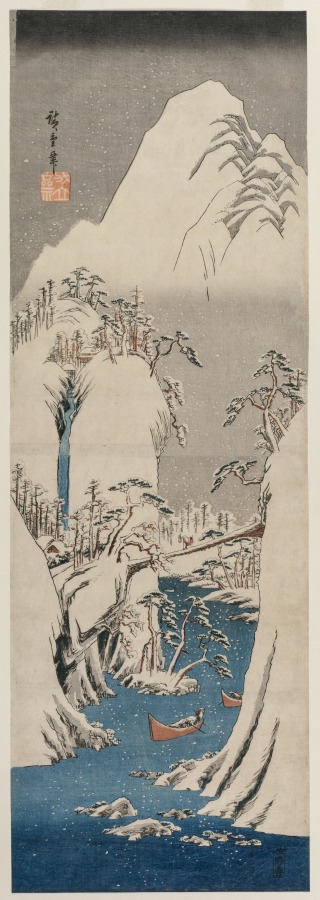
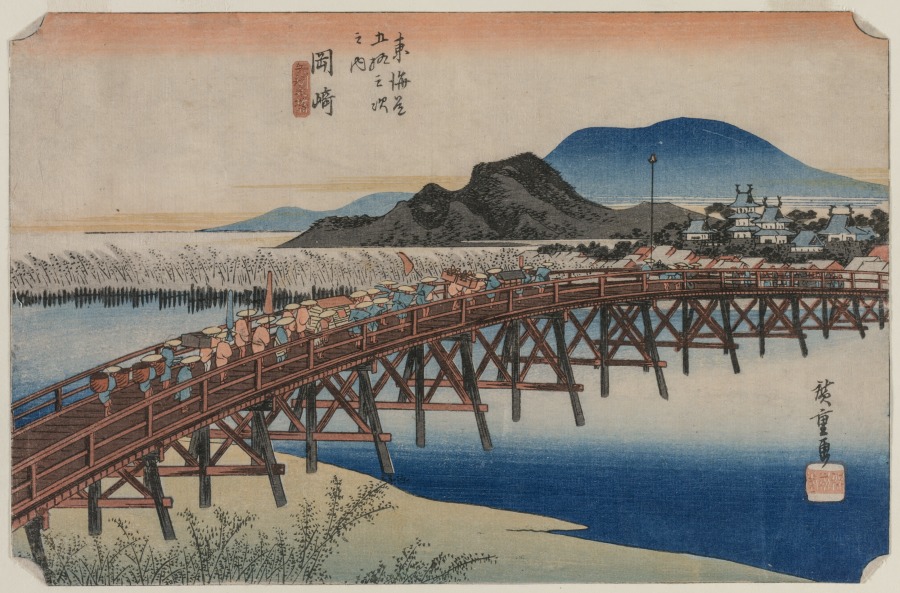
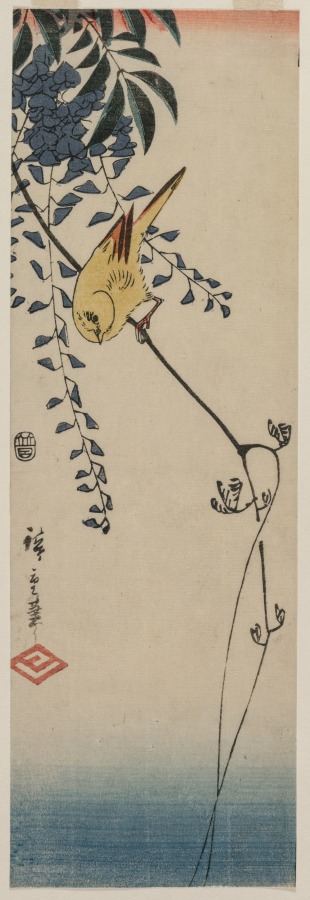
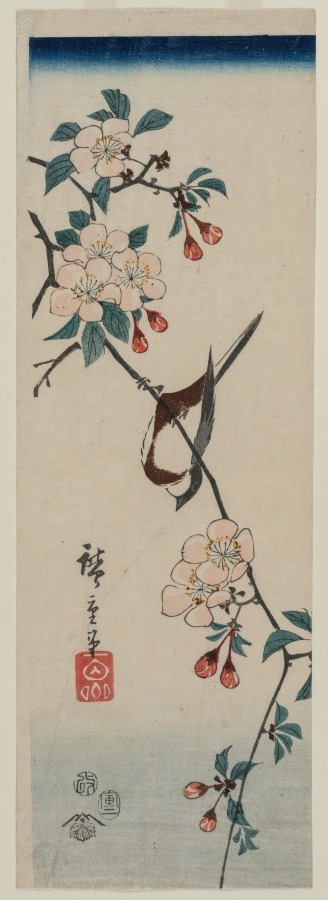
Utagawa Hiroshige (1797-1858) was a Japanese ukiyo-e artist known for the landscape prints that make him, with Hokusai, one of the two most important landscape print designers in the history of Japanese art. Lake Suwa from c. 1832-58 depicts the famous lake in the Shinano province in the atmospheric landscape manner that distinguishes Hiroshige's best prints from the more dramatic manner of Hokusai. The print is from one of Hiroshige's landscape series, which established the landscape print as one of the most important types of ukiyo-e, and the atmospheric, lyrical manner of Lake Suwa shows why Hiroshige is considered the most lyrical of all landscape print designers.
Cultural Impact
Lake Suwa is important in the history of Japanese printmaking because it demonstrates the atmospheric, lyrical landscape manner that makes Hiroshige the most important landscape print designer in Japanese art alongside Hokusai. Hiroshige's landscape prints—combining atmospheric observation with the ukiyo-e tradition of popular printmaking—represent the most accomplished tradition of landscape printmaking in Japanese art, and Lake Suwa shows this tradition at its most lyrical and atmospheric.
Why It Matters
Lake Suwa is Hiroshige's lyrical landscape: the famous lake in Shinano province rendered in the atmospheric manner that makes him the most lyrical landscape print designer in Japanese art. The c. 1832-58 print shows the ukiyo-e landscape tradition at its most atmospheric—lyrical observation of nature combined with the popular printmaking tradition.