Provenance
(James J. Freeman, sold to the Cleveland Museum of Art) (?–1986); The Cleveland Museum of Art, Cleveland, OH (1986–)
Accession Number
1986.95
Medium
hanging scroll; ink and color on paper
Dimensions
Image: 137.8 x 41.3 cm (54 1/4 x 16 1/4 in.); Overall: 209.6 x 62.3 cm (82 1/2 x 24 1/2 in.)
Classification
Painting
Credit Line
Mr. and Mrs. William H. Marlatt Fund
Tags
Painting Neoclassical & Romantic (1751–1850) Ink Paper Japanese Color: Brown Color: White Color: Gray
Background & Context
Background Story
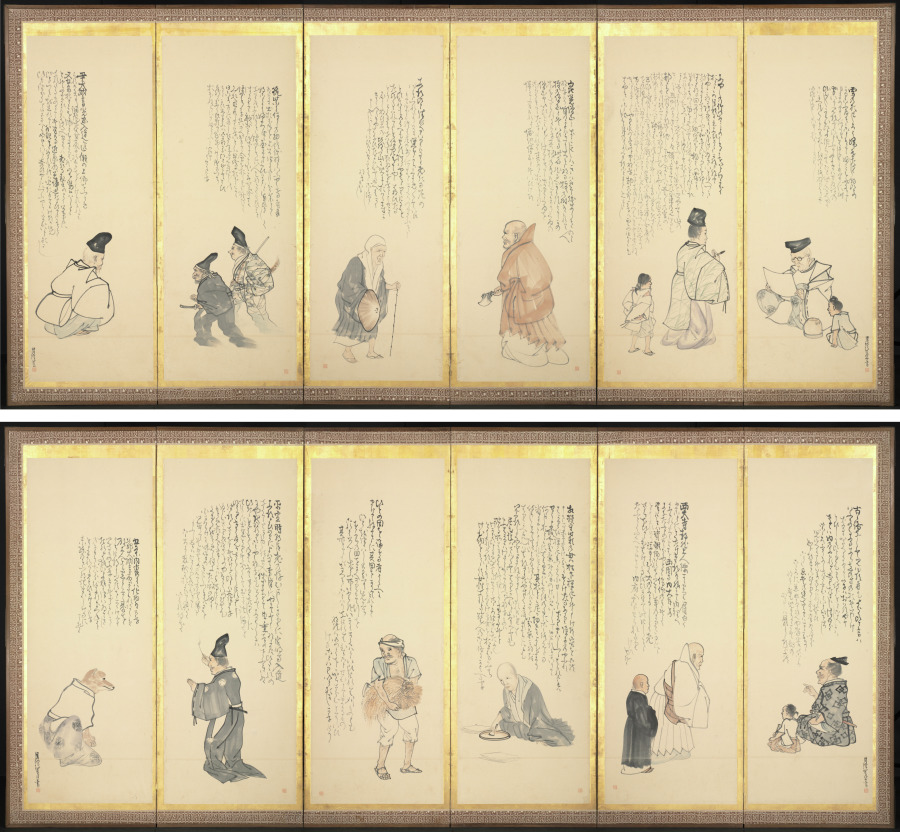
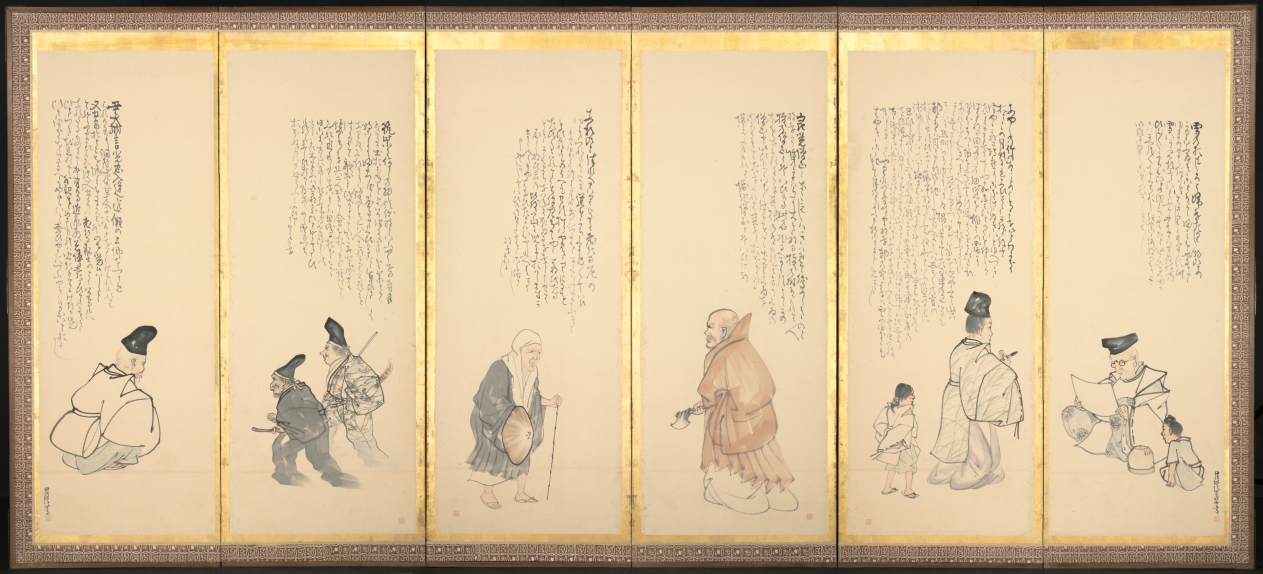
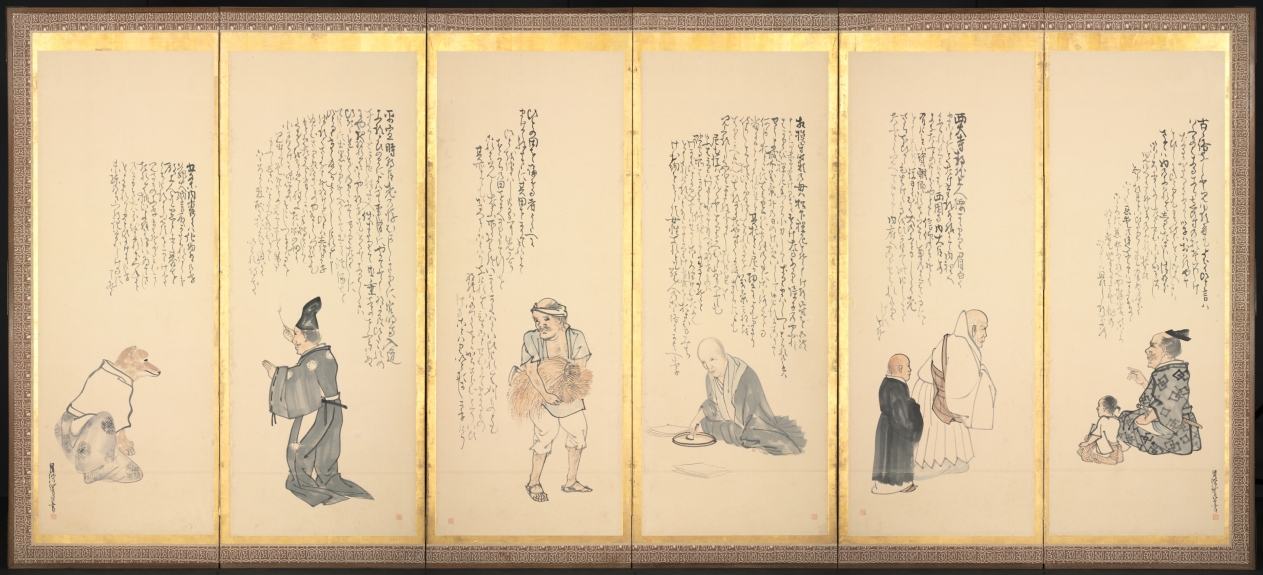
Matsumura Goshun (1752-1811) was a Japanese painter known for the elegantly composed, atmospheric paintings that make him one of the most accomplished painters of the Edo period. Water Margin Bandits from the late 1700s-early 1800s depicts bandits from the Water Margin (Suikoden)—the famous Chinese novel about 108 outlaws—in the elegantly composed, atmospheric manner that distinguishes Goshun's best work from the more general painting of his contemporaries. The Water Margin was one of the most important literary works in East Asian culture, and paintings depicting its characters represent one of the most accomplished traditions in Japanese painting. Goshun was the founder of the Shijo school, one of the most important painting schools of the Edo period.
Cultural Impact
Water Margin Bandits is important in the history of Japanese painting because it depicts characters from the Water Margin—one of the most important literary works in East Asian culture—in the elegantly composed, atmospheric manner of Goshun, the founder of the Shijo school. The Water Margin—depicting 108 outlaws—was one of the most important literary works in East Asian culture, and paintings depicting its characters represent one of the most accomplished traditions in Japanese painting.
Why It Matters
Water Margin Bandits is Goshun's elegantly composed Shijo painting: bandits from the famous Chinese novel rendered in the atmospheric manner of the founder of the Shijo school. The late 1700s-early 1800s painting shows the Water Margin—one of the most important literary works in East Asian culture—at its most elegantly composed.