Provenance
(Yanagi Fine Art Shop, Kyoto, Japan, sold to the Cleveland Museum of Art) (?–1989); The Cleveland Museum of Art, Cleveland, OH (1989–)
Accession Number
1989.85.10
Medium
ink and color on paper
Dimensions
N/A
Classification
Drawing
Credit Line
John L. Severance Fund
Tags
Drawing Early Modern (1901–1950) Ink Paper Japanese Color: Yellow
Background & Context
Background Story
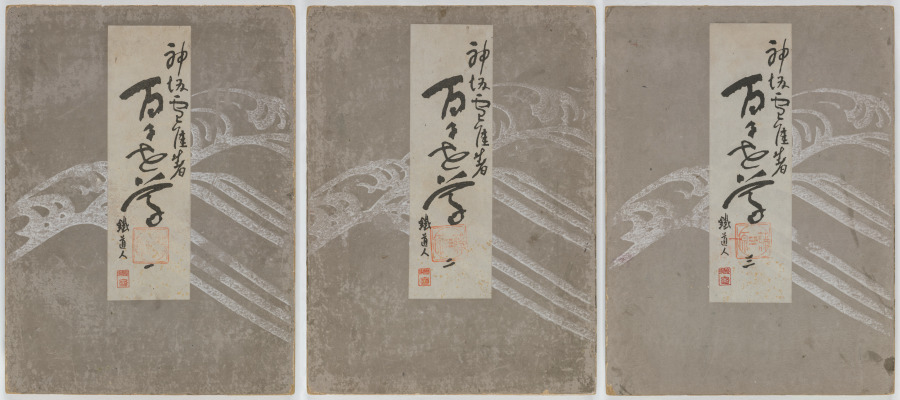
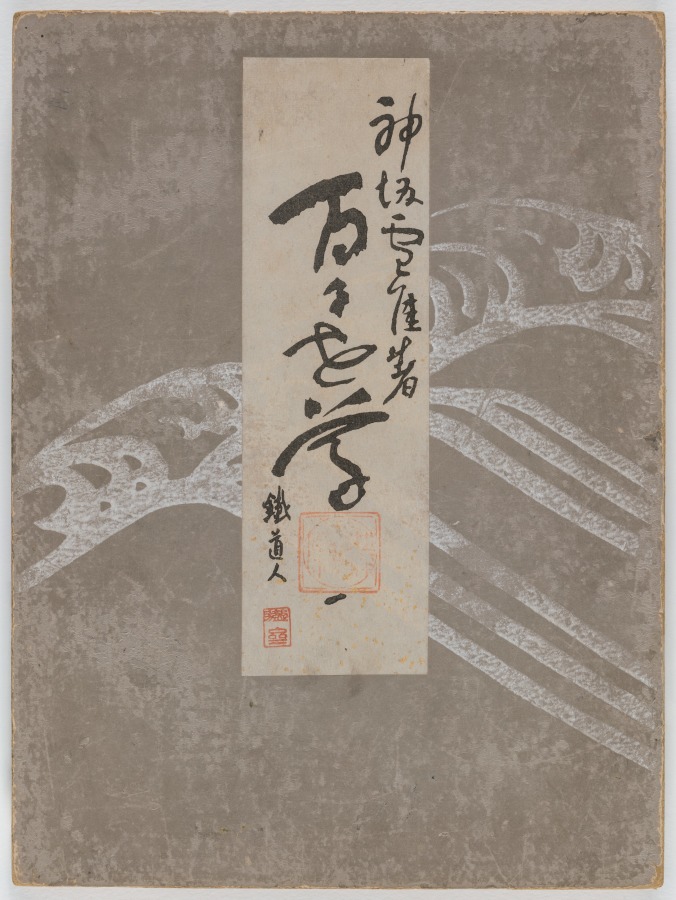
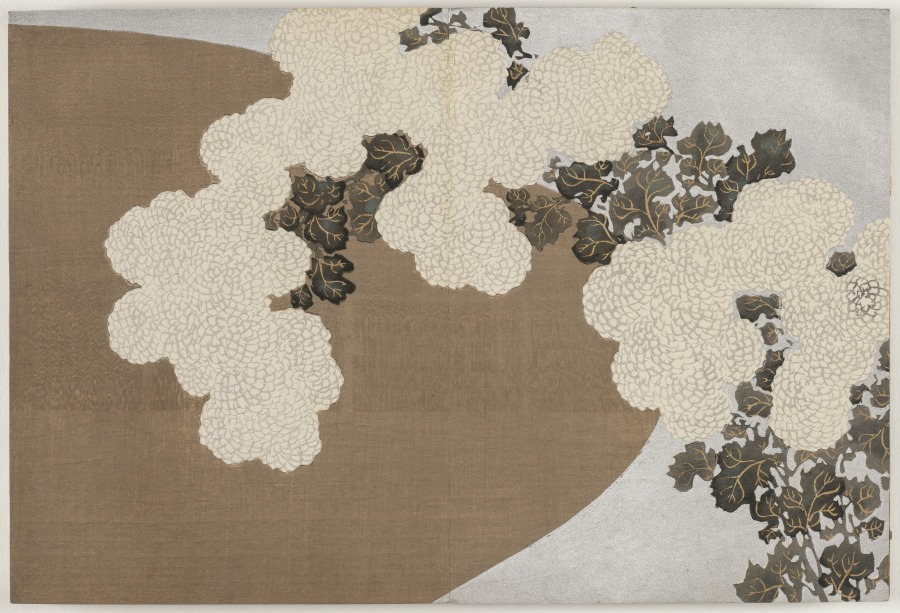
This plate from Kamisaka Sekka's masterwork Momoyogusa (Flowers of a Hundred Worlds) depicts Nakaguni, a figure associated with the legendary Chinese immortal traditions that profoundly influenced Japanese visual culture. Published in 1909, the three-volume Momoyogusa series represented the pinnacle of Rinpa revival design during the Meiji era, when Japan was rapidly modernizing yet simultaneously rediscovering its classical artistic heritage. Nakaguni refers to one of the Daoist immortals whose stories traveled across the East China Sea and became woven into Japanese folklore and Noh theater. Sekka renders the figure with the characteristic Rinpa boldness—flat areas of color, dynamic composition, and decorative motifs that flatten pictorial space while amplifying visual impact. The work embodies the paradox of Meiji-era art: using woodblock printing, a traditional medium then considered declining, to create images that felt startlingly modern. Sekka, who had studied in Glasgow and absorbed Art Nouveau currents, fused Western decorative principles with Japanese Rinpa aesthetics, producing a cross-cultural hybrid that anticipated 20th-century graphic design.
Cultural Impact
Nakaguni exemplifies how Meiji Japan negotiated cultural identity through art. The Rinpa revival movement, led by Sekka and contemporaries like Korin Ogata's admirers, reasserted indigenous aesthetics against Western academic painting's dominance. This plate—and the Momoyogusa series as a whole—inspired Japanese textile designers, ceramicists, and graphic artists for generations. The series also influenced Western Art Nouveau designers who encountered Japanese prints through trade expos, creating a circular exchange: Sekka absorbed Western Art Nouveau, then fed it back through a Japanese lens that delighted European collectors.
Why It Matters
This work matters because it represents a pivotal moment when Japanese decorative art refused extinction and instead reinvented itself. At a time when woodblock printing seemed destined for obsolescence, Sekka proved the medium could produce works of radical sophistication. The Momoyogusa series remains a touchstone for designers exploring how traditional craft can generate contemporary visual language. Its fusion of East and West anticipates the global design vocabulary that would emerge decades later.