Description
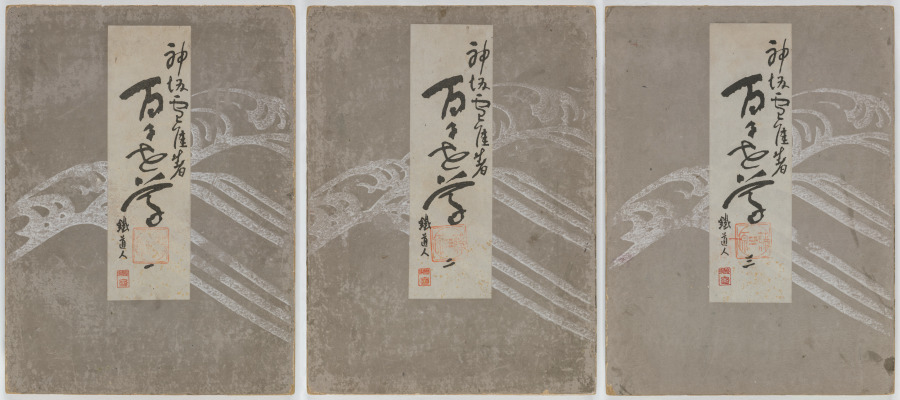
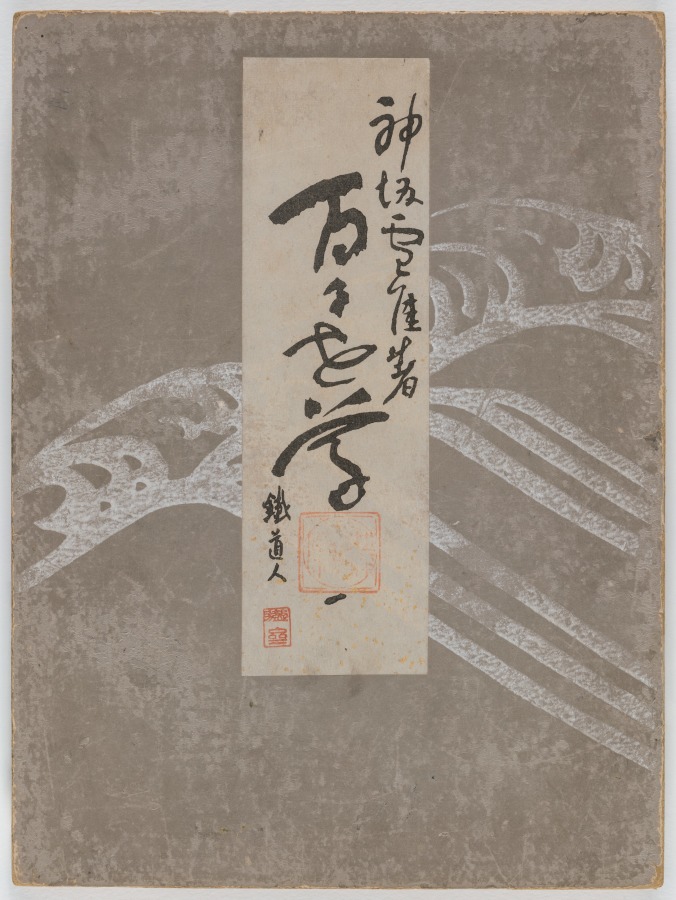
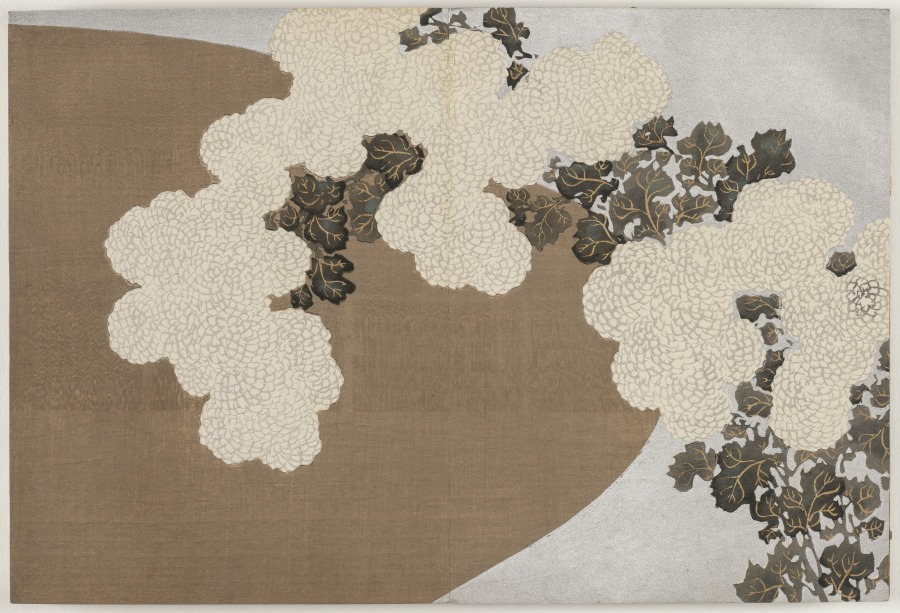
Kamisaka Sekka made preparatory drawings for his Flowers of a Hundred Worlds series on tracing paper with ink and color. The freehand sketches are much looser than the finished, printed compositions.
Provenance
(Yanagi Fine Art Shop, Kyoto, Japan, sold to the Cleveland Museum of Art) (?–1989); The Cleveland Museum of Art, Cleveland, OH (1989–)
Accession Number
1989.85.11
Medium
ink and color on paper
Dimensions
N/A
Classification
Drawing
Credit Line
John L. Severance Fund
Tags
Drawing Early Modern (1901–1950) Ink Paper Japanese Color: White
Background & Context
Background Story
The Six Poetic Immortals (Rokkasen) plate from Momoyogusa references one of the most revered groups in Japanese literary history: the six waka poets (Ariwara no Narihira, Ono no Komachi, Sōtōri no Kojijō, Ki no Tsurayuki, Bunya no Yasuhide, and Kisen Hōshi) celebrated since the Heian period. Sekka condenses the essence of these legendary figures into a single visual composition, treating the literary subjects as pure decorative forms. The six poets, originally immortalized in Kokinshū poetry anthologies, had been depicted in Japanese art for centuries—scroll paintings, Noh plays, and ukiyo-e all treated the Rokkasen topic. Sekka's version strips narrative detail in favor of bold pattern and abstracted form. Published in 1909, the print reflects the Meiji government's own cultural policies: promoting national heritage while embracing modernization. The Rinpa school, which Sekka championed, had always excelled at transforming literary subjects into visual poetry—Ogata Kōrin's work two centuries earlier similarly compressed narrative into pattern. Sekka extends this tradition, using the flattened space and vibrant color of Rinpa to make the ancient poets feel contemporary.
Cultural Impact
The Rokkasen subject connects courtly Heian literature to modern visual culture. By reinterpreting these canonical poets through Rinpa aesthetics, Sekka demonstrated that Japan's classical tradition remained visually vital. The Momoyogusa series was acquired by collectors worldwide and influenced how Japanese decorative arts were perceived internationally. It reinforced the idea that Japanese design could be simultaneously ancient and modern, influencing the Japonisme movement's later phases and informing 20th-century Japanese graphic design education.
Why It Matters
This work demonstrates that classical Japanese literary culture can generate fresh visual expression centuries after its creation. For designers and art historians, it reveals how appropriation and reinterpretation—rather than faithful reproduction—keep traditions alive. The Rokkasen plate shows that cultural heritage is not a museum artifact but a living resource for creative transformation.