Description
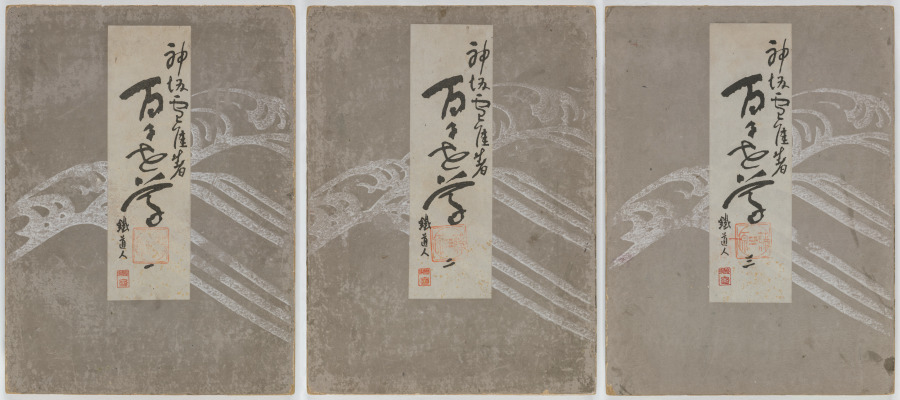
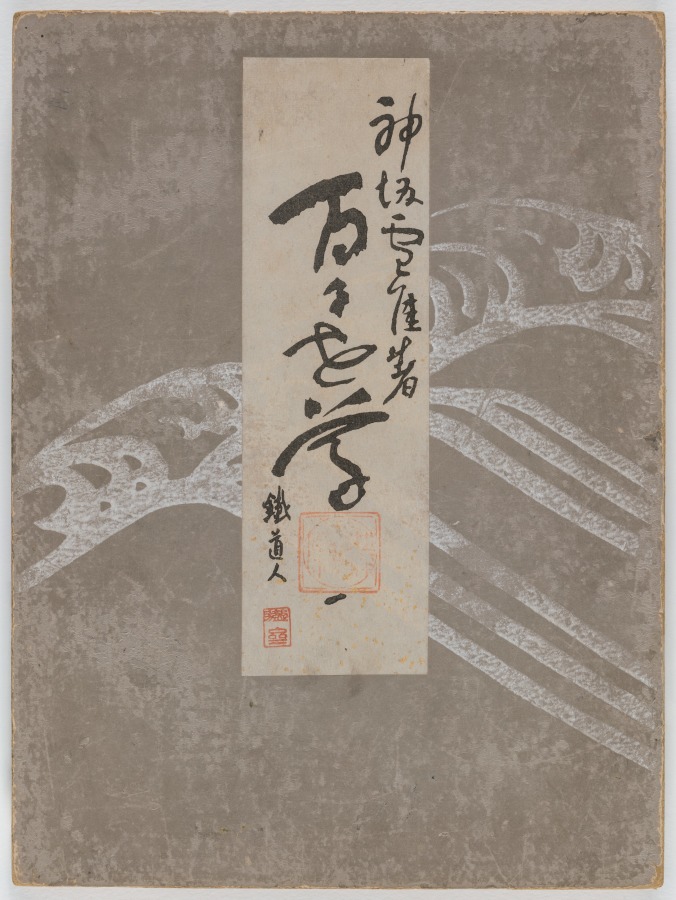
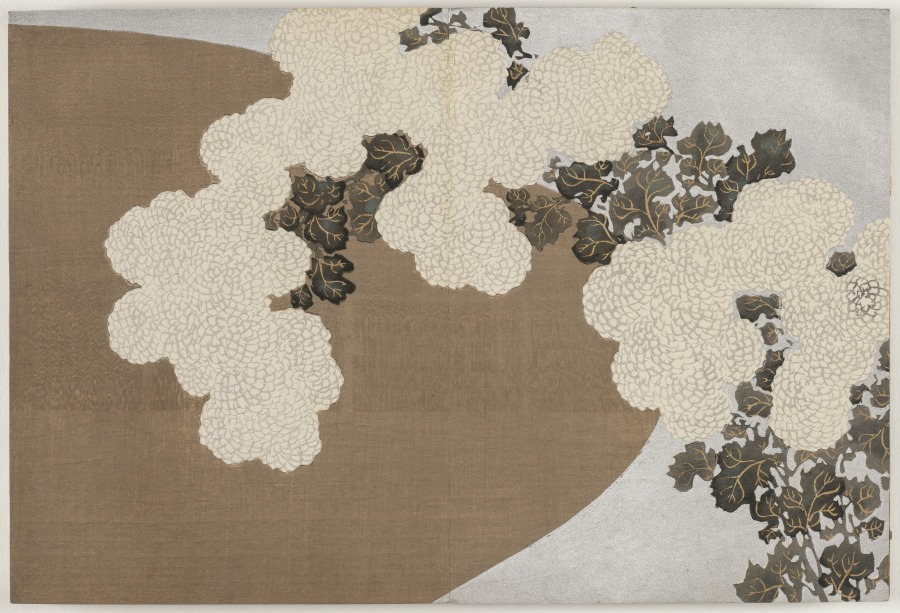
Kamisaka Sekka made preparatory drawings for his Flowers of a Hundred Worlds series on tracing paper with ink and color. The freehand sketches are much looser than the finished, printed compositions.
Provenance
(Yanagi Fine Art Shop, Kyoto, Japan, sold to the Cleveland Museum of Art) (?–1989); The Cleveland Museum of Art, Cleveland, OH (1989–)
Accession Number
1989.85.12
Medium
ink and color on paper
Dimensions
N/A
Classification
Drawing
Credit Line
John L. Severance Fund
Tags
Drawing Early Modern (1901–1950) Ink Paper Japanese Color: Orange
Background & Context
Background Story
Late Spring (Boshun) from the Momoyogusa series captures the transitional moment between spring's peak and its gentle decline—a subject deeply rooted in Japanese aesthetic sensibility. The concept of boshun resonates with the broader cultural appreciation for impermanence and the beauty of fading things, central to Buddhist-influenced aesthetics from the Heian period onward. Sekka interprets this seasonal theme through Rinpa school conventions: bold silhouettes, vibrant mineral pigments, and compositions that collapse foreground and background into a single decorative plane. Spring imagery—perhaps cherry blossoms, new leaves, or seasonal flowers—would be rendered not as botanical illustration but as abstract pattern elements. Published in 1909, this plate emerged during a period when Japan's seasonal consciousness was being transformed by urbanization and industrial time, yet seasonal themes remained essential to Japanese visual identity. The Meiji era's rapid changes made traditional seasonal references simultaneously more nostalgic and more precious. Sekka's sophisticated design approach treats nature not as something to imitate but as raw material for decorative invention.
Cultural Impact
Seasonal representation in Japanese art has influenced global design sensibility for centuries. The Momoyogusa series, by distilling seasonal awareness into graphic form, contributed to the worldwide popularity of Japanese seasonal aesthetics—from fashion collections organized by season to interior design that celebrates natural cycles. Sekka's abstracted seasonal compositions prefigured the minimalist approaches that would dominate 20th-century Japanese design.
Why It Matters
Late Spring demonstrates how seasonal awareness, a cornerstone of Japanese visual culture, can be translated into pure design without losing its emotional resonance. For contemporary artists and designers, it offers a model for creating work that honors cultural traditions while speaking in a modern visual language.