Description
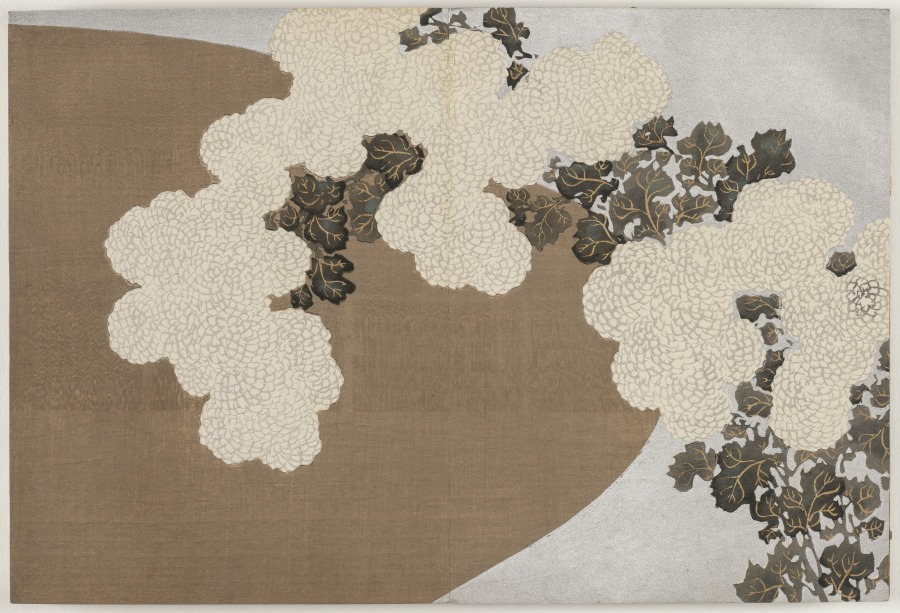
Kamisaka Sekka made preparatory drawings for his Flowers of a Hundred Worlds series on tracing paper with ink and color. The freehand sketches are much looser than the finished, printed compositions.
Provenance
(Yanagi Fine Art Shop, Kyoto, Japan, sold to the Cleveland Museum of Art) (?–1989); The Cleveland Museum of Art, Cleveland, OH (1989–)
Accession Number
1989.85.16
Medium
ink and on paper
Dimensions
N/A
Classification
Drawing
Credit Line
John L. Severance Fund
Tags
Drawing Early Modern (1901–1950) Ink Paper Japanese Color: Yellow
Background & Context
Background Story
Spring Field (Haru no tanomo) from Momoyogusa captures the seasonal turning point when fields come alive after winter's dormancy. The Japanese phrase haru no tanomo carries connotations of spring's promise—the field that invites, welcomes, and offers itself to cultivation. This agricultural theme connects to centuries of Japanese seasonal painting, from Yamato-e scroll traditions to haiku poetry cycles. Rice cultivation structured Japanese time consciousness for millennia, making the spring field more than a landscape subject—it was a cultural foundation. Sekka renders this theme through Rinpa abstraction, transforming the field into pattern and decorative motif. Rather than depicting a realistic field, he evokes the experience of spring's arrival through color, rhythm, and compositional flow. Published in 1909, the work reflects Meiji Japan's rapid urbanization, when most Japanese still lived in agricultural communities but cities were expanding rapidly. The spring field represented both the real countryside and an idealized pastoral vision that urban audiences increasingly romanticized. At the same time, the work's modern graphic sensibility ensured it was not mere pastoral nostalgia but a vital artistic statement.
Cultural Impact
Agricultural imagery in Japanese art has shaped how the nation represents itself culturally. From scroll paintings to ukiyo-e to modern design, the rice field remained a central symbol of Japanese identity. Sekka's abstracted spring field influenced later Japanese graphic designers who continued to use agricultural motifs as national visual vocabulary. The international reception of such images also shaped Western perceptions of Japan as a nature-revering culture.
Why It Matters
Spring Field demonstrates that agricultural landscapes can be rendered as abstract design without losing their cultural significance. It offers a model for how artists can transform specific cultural experiences—grounded in place and season—into universal visual language. The work also reminds viewers of the deep connection between agriculture, seasonality, and cultural identity that persists even in urbanized societies.