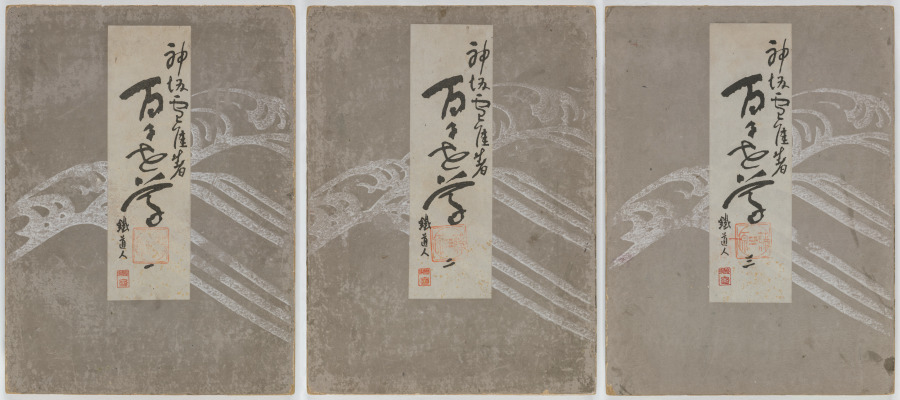
Description
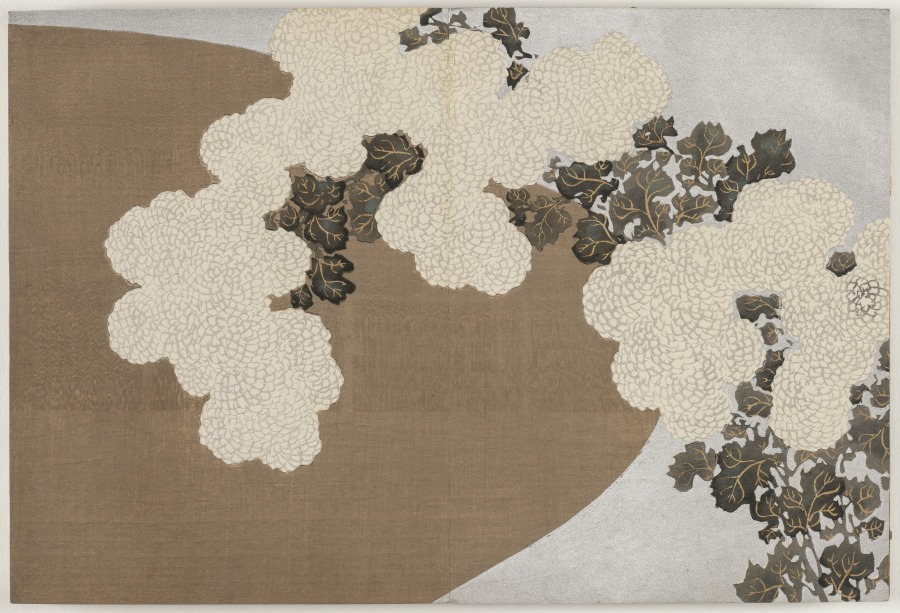
Kamisaka Sekka made preparatory drawings for his Flowers of a Hundred Worlds series on tracing paper with ink and color. The freehand sketches are much looser than the finished, printed compositions.
Provenance
(Yanagi Fine Art Shop, Kyoto, Japan, sold to the Cleveland Museum of Art) (?–1989); The Cleveland Museum of Art, Cleveland, OH (1989–)
Flowers of a Hundred Worlds (Momoyogusa): Chrysanthemum and Paulownia (Kikukiri)
1909
Accession Number
1989.85.17
Medium
ink and color on paper
Dimensions
N/A
Classification
Drawing
Credit Line
John L. Severance Fund
Tags
Drawing Early Modern (1901–1950) Ink Paper Japanese Color: Yellow
Background & Context
Background Story
Chrysanthemum and Paulownia (Kikukiri) from Momoyogusa pairs two of Japan's most symbolically charged plants. The chrysanthemum (kiku) has been associated with the Imperial family since the Kamakura period, appearing on the imperial seal and representing longevity, perfection, and autumn. The paulownia (kiri) was similarly aristocratic—associated with the Toyotomi clan and later used on government emblems. Together, they represent the highest orders of Japanese heraldic flora. This pairing was far from arbitrary: in Japanese heraldry and crest design, the chrysanthemum and paulownia signified complementary aspects of authority and refinement. Sekka treats these symbols with characteristic Rinpa boldness, transforming heraldic plants into pure decorative elements. The flat color areas and compositional balance reflect the Rinpa tradition of treating natural subjects as design motifs rather than botanical specimens. Published in 1909, the plate appeared during a period when imperial symbolism was being strengthened by the Meiji state, which actively promoted the chrysanthemum as a national symbol. Sekka's approach—decorative rather than reverential—allows the symbols to function aesthetically independent of their political associations.
Cultural Impact
The chrysanthemum and paulownia remain among the most recognized Japanese symbols worldwide, appearing on everything from passports to sake labels. Sekka's interpretation influenced how these symbols were used in commercial design throughout the 20th century. By treating them as decorative forms rather than sacred emblems, Sekka demonstrated that national symbols could serve aesthetic purposes without political instrumentalization—a principle that influenced Japanese design education and corporate identity systems.
Why It Matters
This plate matters because it demonstrates how artists can engage with politically charged symbols without being captured by them. Sekka's decorative approach to imperial flora offers a model for treating national heritage with respect while maintaining artistic freedom. The work also illustrates the Rinpa school's enduring principle: that nature provides raw material for artistic invention, not merely subjects for representation.