Description
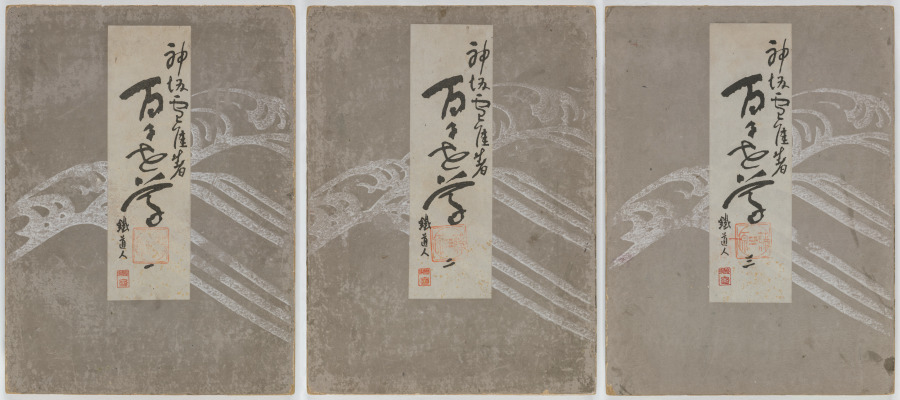
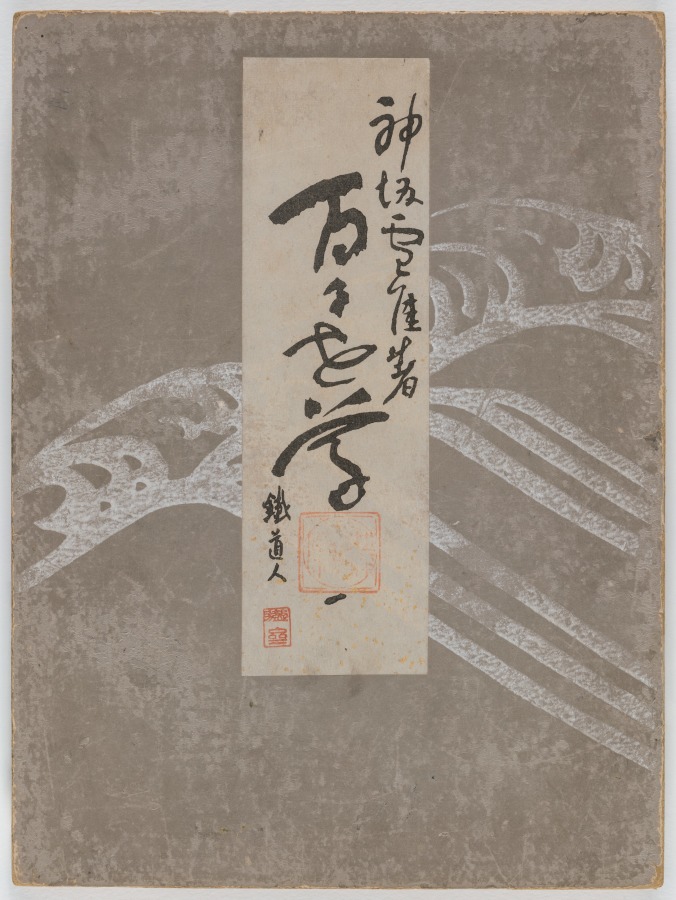
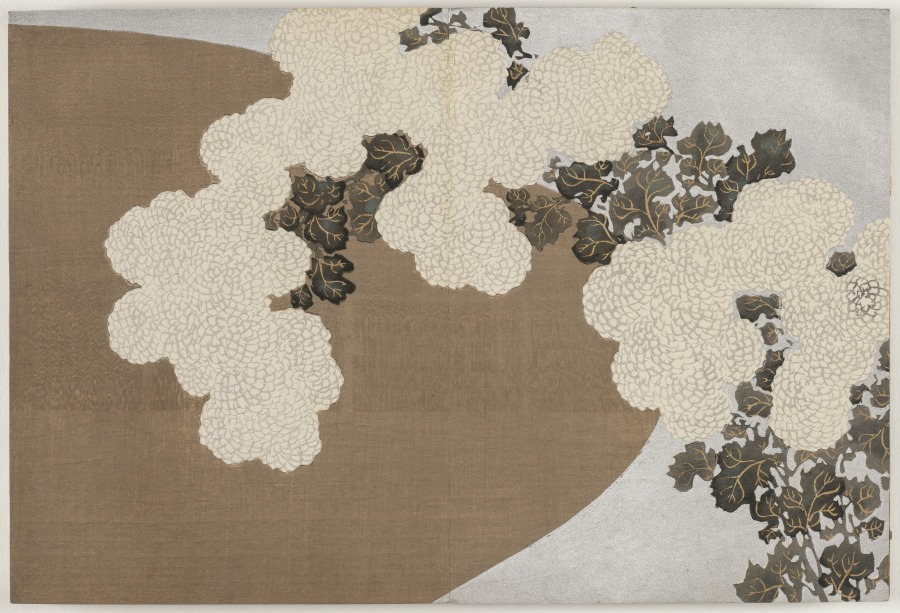
Kamisaka Sekka made preparatory drawings for his Flowers of a Hundred Worlds series on tracing paper with ink and color. The freehand sketches are much looser than the finished, printed compositions.
Provenance
(Yanagi Fine Art Shop, Kyoto, Japan, sold to the Cleveland Museum of Art) (?–1989); The Cleveland Museum of Art, Cleveland, OH (1989–)
Accession Number
1989.85.8
Medium
ink and color on paper
Dimensions
N/A
Classification
Drawing
Credit Line
John L. Severance Fund
Tags
Drawing Early Modern (1901–1950) Ink Paper Japanese Color: White
Background & Context
Background Story
Otsu-e (Otsu-e) from the Momoyogusa series illustrates the Otsu-e tradition— folk paintings sold to travelers at Otsu station on the Tōkaidō road, one of Japan's five major highways. These paintings, produced from the early Edo period onward, were among Japan's first popular art forms, predating and influencing ukiyo-e. Otsu-e depicted a specific repertoire of subjects: the wisteria maiden, ogres (oni), Buddhist figures, and genre scenes, painted rapidly in bold colors on paper. Their simple, direct style reflected their origin as souvenirs for common travelers rather than luxury goods for aristocratic patrons. By including Otsu-e in the Momoyogusa series, Sekka makes a significant art-historical statement: he elevates a folk tradition that had been dismissed as commercially motivated craft to the level of serious design inspiration. This gesture aligns with the broader Meiji-era reassessment of Edo-period popular culture that was occurring as ukiyo-e gained international recognition. Published in 1909, the plate implicitly argues that Otsu-e's directness, boldness, and popular appeal represent values as worthy as the refinement of courtly traditions.
Cultural Impact
The Otsu-e tradition influenced modern Japanese folk art (mingei) movements led by Yanagi Sōetsu in the 1920s, which similarly championed everyday crafts and popular art forms. Sekka's recognition of Otsu-e anticipated this movement by more than a decade. The bold simplicity of Otsu-e style also influenced Japanese graphic design, children's book illustration, and the folk art revival that became central to Japanese cultural identity in the 20th century. Internationally, Otsu-e's directness paralleled Western primitivist and folk art inspirations in Modernist painting.
Why It Matters
This work matters because it demonstrates how folk art traditions can revitalize fine art and design. By including Otsu-e alongside courtly and literary subjects in the Momoyogusa series, Sekka refused the hierarchy that separates high and low culture, treating popular visual forms with the same aesthetic seriousness as elite ones. This principle—that all visual traditions deserve serious artistic attention—became central to 20th-century design philosophy and remains relevant for contemporary artists working across cultural boundaries.