Description
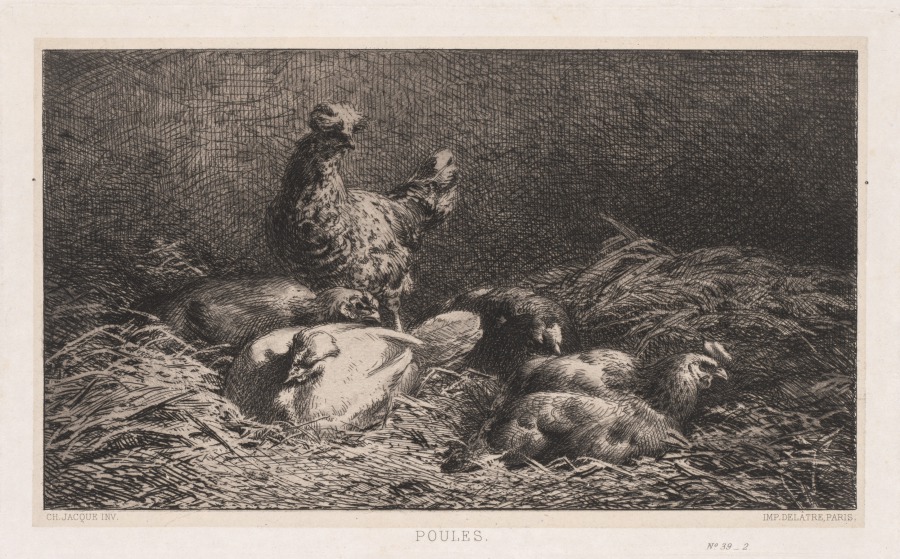
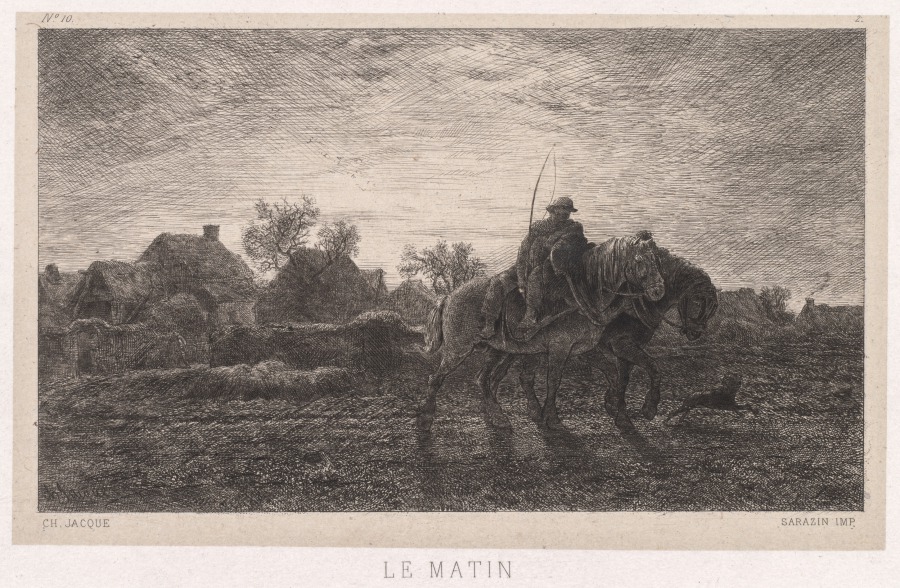
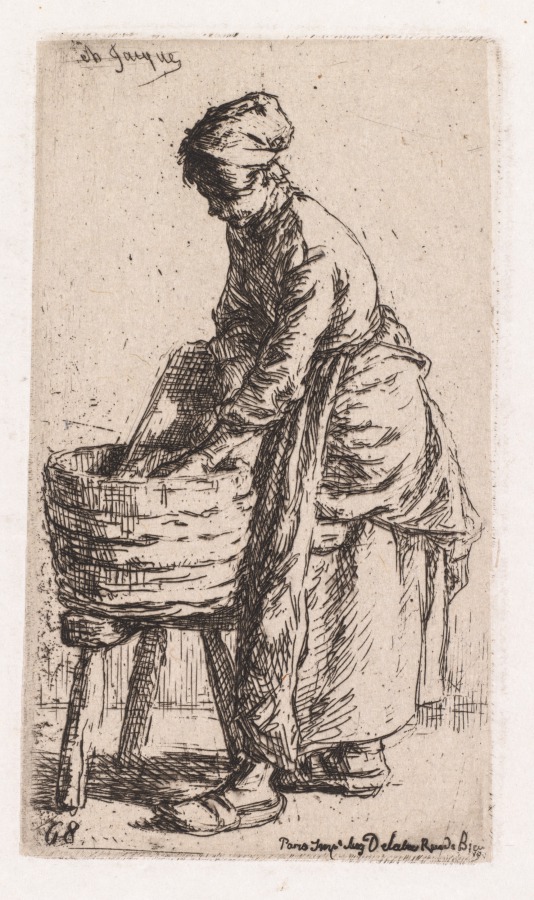
The notion of the pastoral ideal is made explicit in the work of Jacque. In 1849, along with Jean-François Millet, Jacque moved to the village of Barbizon, which by then was an established artist’s colony. There he painted, drew, and etched rustic landscapes in which man and nature
coexist in perfect harmony.
Provenance
[]
Accession Number
1991.210
Medium
black chalk heightened with white chalk and stumping
Dimensions
Sheet: 26.8 x 46.4 cm (10 9/16 x 18 1/4 in.)
Classification
Drawing
Credit Line
Gift in memory of Adele Chisolm Eells from her daughters
Tags
Drawing Neoclassical & Romantic (1751–1850) French Color: Brown
Background & Context
Background Story
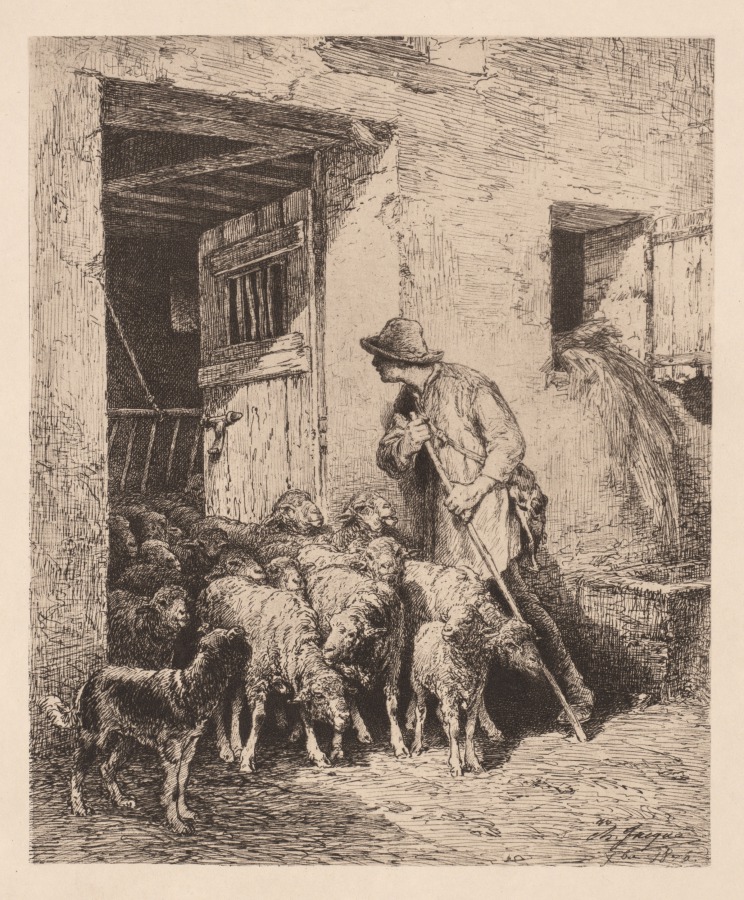
A Shepherd with His Flock (1800s) depicts the individual shepherd who tended the flocks that were central to French pastoral agriculture—a subject that connected Jacque's animal painting to the human-figure tradition that Millet and other Barbizon painters were developing. The shepherd, responsible for guiding the flock to pasture, protecting it from predators, and managing the seasonal rhythms of transhumance, was one of the most ancient occupations in European culture and one of the most visually iconic. Jacque's treatment of the shepherd likely emphasizes the figure's integration with the flock and the landscape—the shepherd is not standing apart from the sheep but is part of the pastoral scene, moving within it and directing it. This integration of human figure, animal subject, and landscape setting represents the Barbizon school's most characteristic contribution to painting: the refusal to separate the human from the natural, the animal from the landscape, and the work from the beauty. The painting's date—.broad 1800s designation—places it within the period when the Barbizon movement was at its most productive, documenting the rural economy that industrialization was beginning to transform.
Cultural Impact
Jacque's shepherd paintings influenced how pastoral work was represented in Barbizon art, connecting animal painting to the human-figure tradition. The paintings influenced later French Realist painters who similarly sought to represent rural labor with dignity and precision. The shepherd-with-flock subject influenced how the pastoral tradition was updated for the 19th century, connecting classical pastoral to contemporary rural practice.
Why It Matters
This painting matters because it captures the pastoral tradition at the moment when industrialization was beginning to transform it—the shepherd with his flock represents an ancient occupation that was being displaced by the agricultural modernization that 19th-century France was experiencing, and Jacque's painting preserves this vanishing practice with the documentary precision that gives it both artistic and historical value.