
Whistler, James McNeill
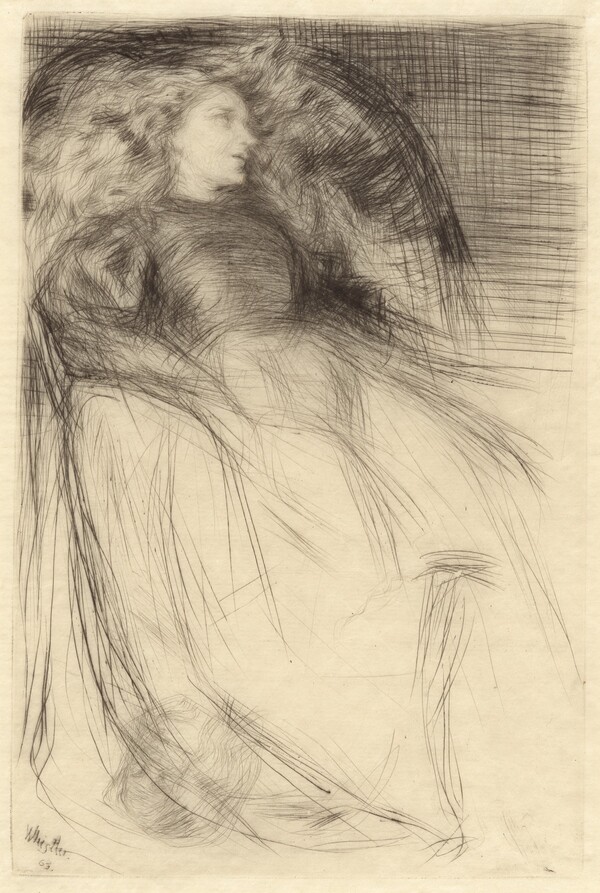
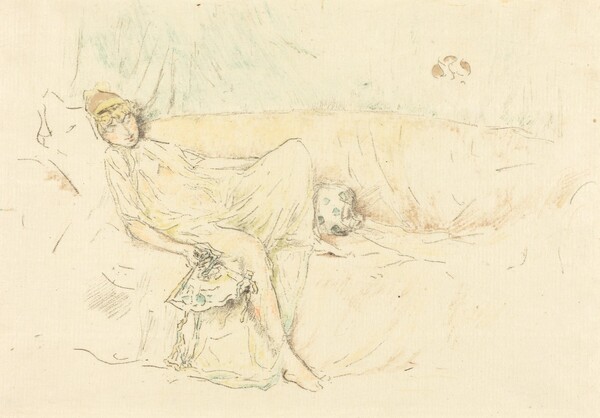
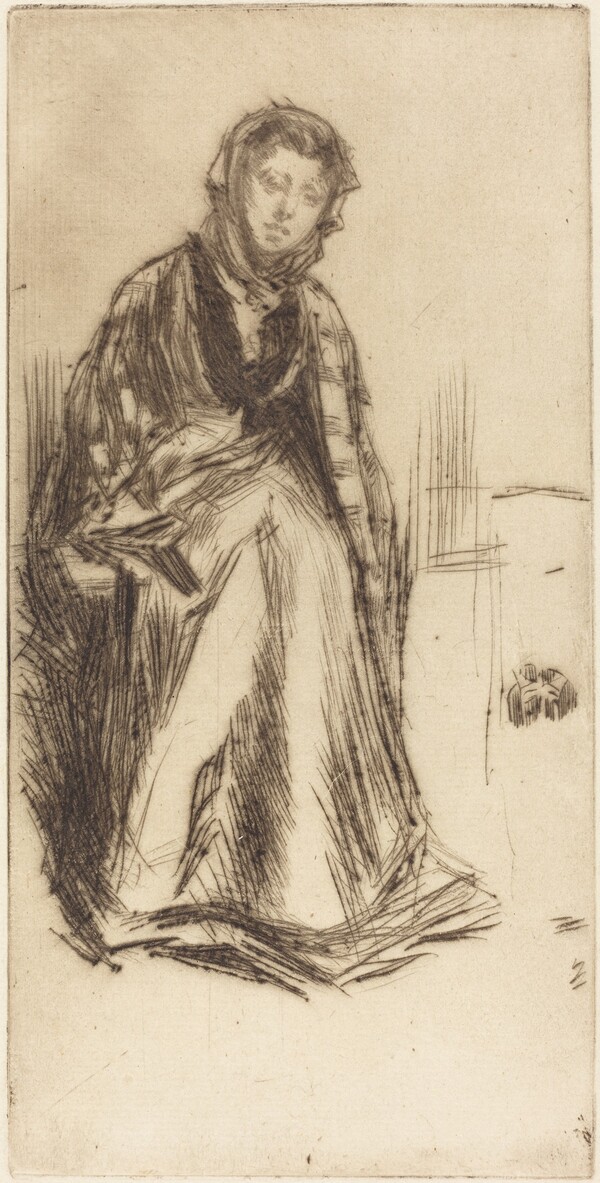
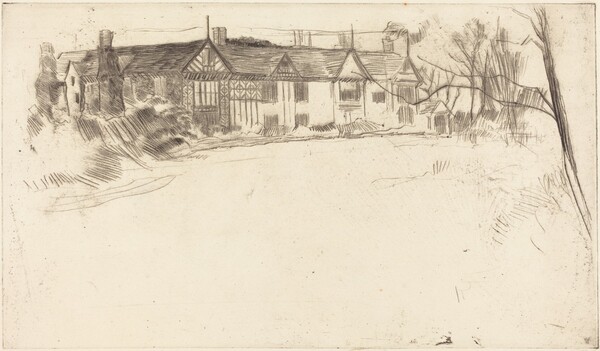
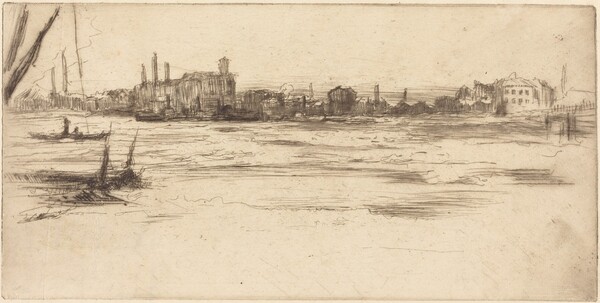
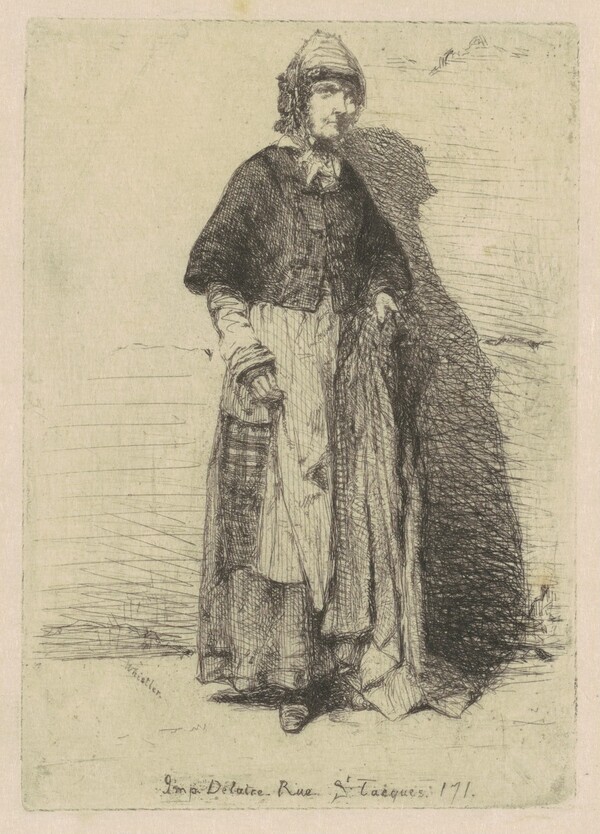
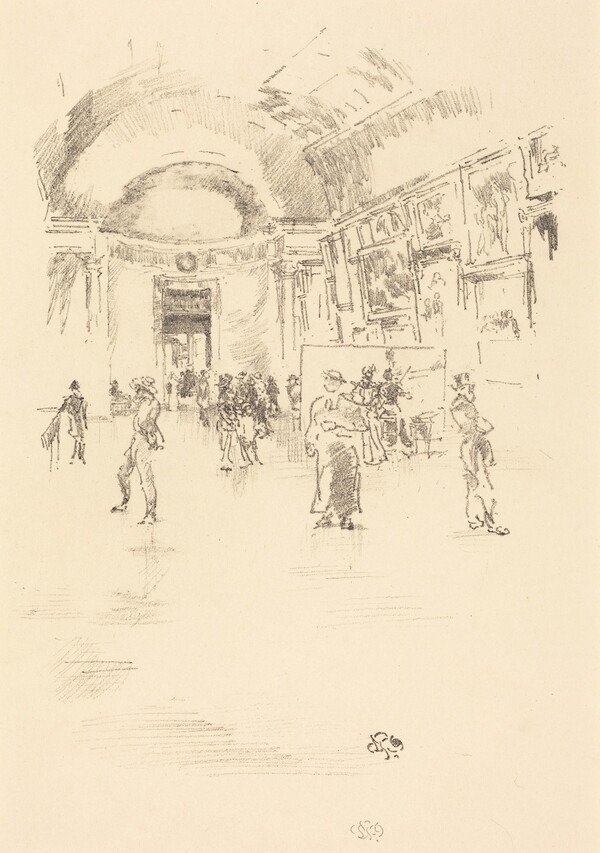
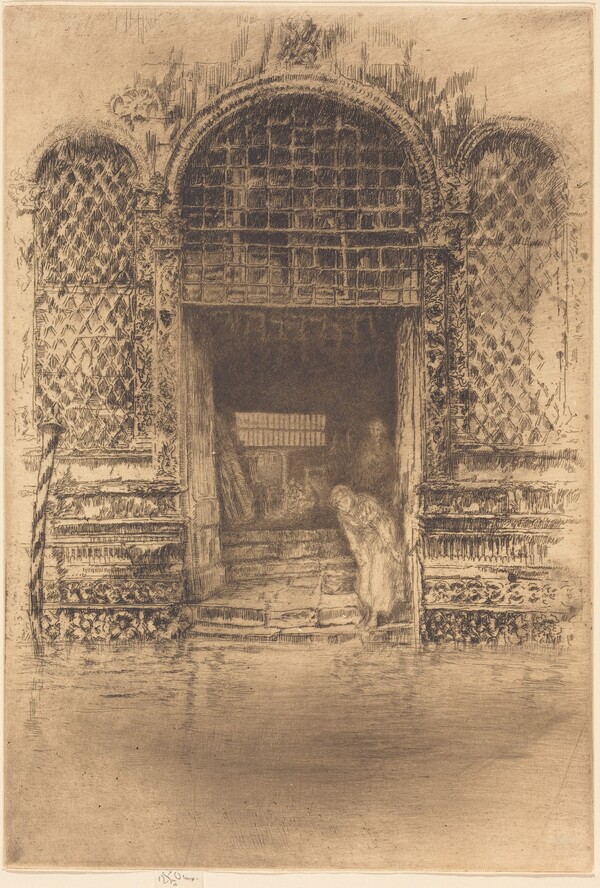
James Abbott McNeill Whistler (; July 10, 1834 – July 17, 1903) was an American painter in oils and watercolor, and printmaker, active during the American Gilded Age and based primarily in the United Kingdom. He eschewed sentimentality and moral allusion in painting and was a leading proponent of the credo "art for art's sake". His signature for his paintings took the shape of a stylized butterfly with an added long stinger for a tail. The symbol combined both aspects of his personality: his art is marked by a subtle delicacy, while his public persona was combative. He found a parallel between painting and music, and entitled many of his paintings "arrangements", "harmonies", and "nocturnes", emphasizing the primacy of tonal harmony. His most famous painting, Arrangement in Grey and Black No. 1 (1871), commonly known as Whistler's Mother, is a revered and often parodied portrait of motherhood. Whistler influenced the art world and the broader culture of his time with his aesthetic theories and his friendships with other leading artists and writers.
Read more on Wikipedia →Artworks by Whistler, James McNeill


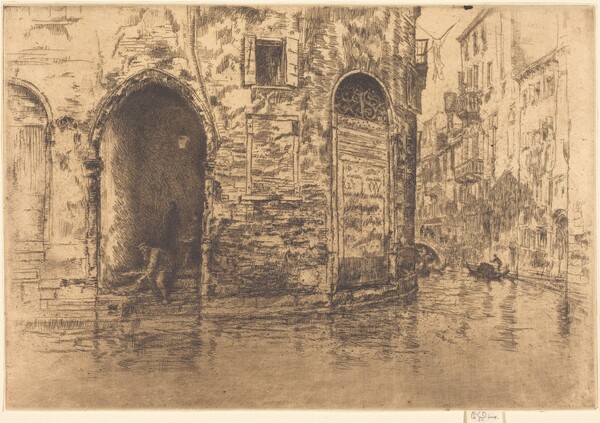
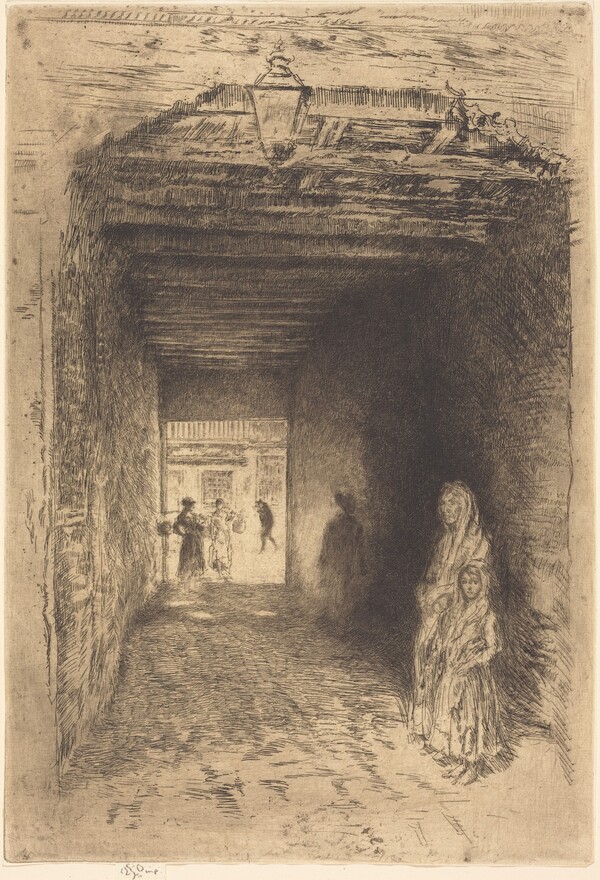
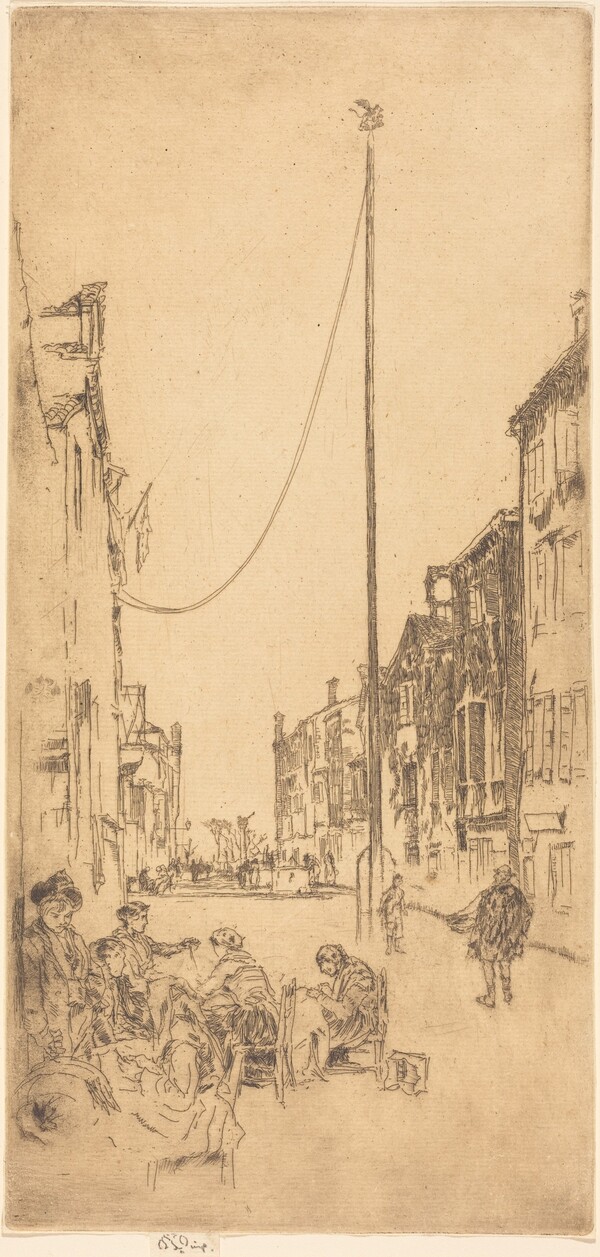


Loading more artworks...