Description
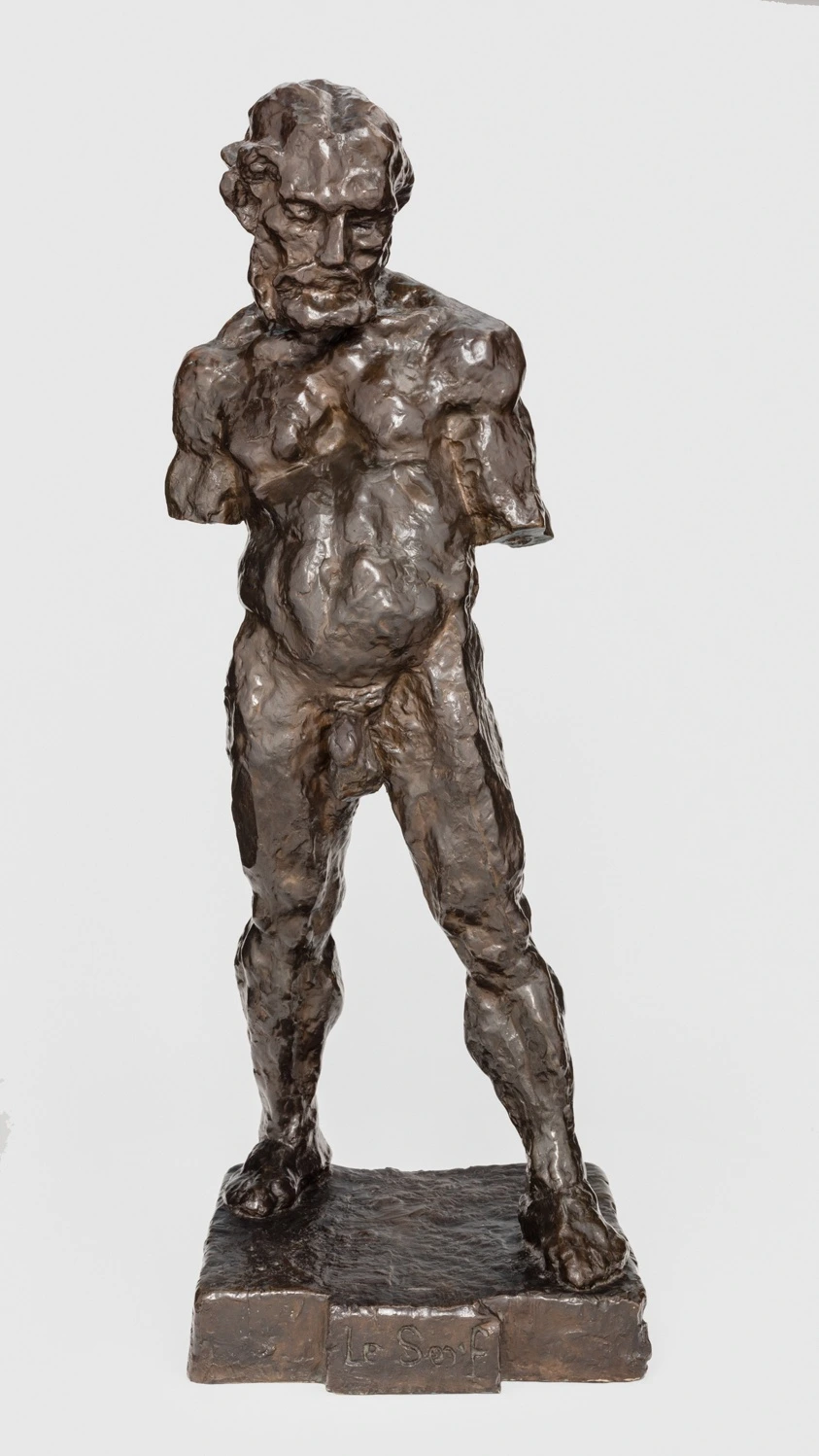
Henri Matisse often turned to sculpture early in his career in an attempt "to put order into my feelings and find a style to suit me." More than half of his total output of sculpture dates to between 1900 and 1909, and these works reveal a deep interest in the human figure, as well as ancient and early modern works of art. The Serf, one of Matisse’s earliest sculptures, consumed him: he was reported to have spent up to 500 sessions with his model, Bevilaqua, who also posed for Auguste Rodin. The Art Institute’s work is an early cast (1908) of a total edition of 10 and was once owned by Matisse’s most enthusiastic early supporters, Michael and Sarah Stein.
Provenance
Accession Number
64916
Medium
Bronze
Dimensions
91.5 × 30.5 × 34.3 cm (36 × 12 × 13 1/2 in.)
Classification
sculpture
Credit Line
Edward E. Ayer Endowment in memory of Charles L. Hutchinson