
Accession Number
125658
Medium
Acrylic, silkscreen ink, and diamond dust on linen
Dimensions
101.6 × 101.6 cm (40 × 40 in.)
Classification
Painting
Credit Line
Gift of the Andy Warhol Foundation for the Visual Arts, Inc.; through prior acquisition from the Samuel P. Avery Endowment
Background & Context
Background Story
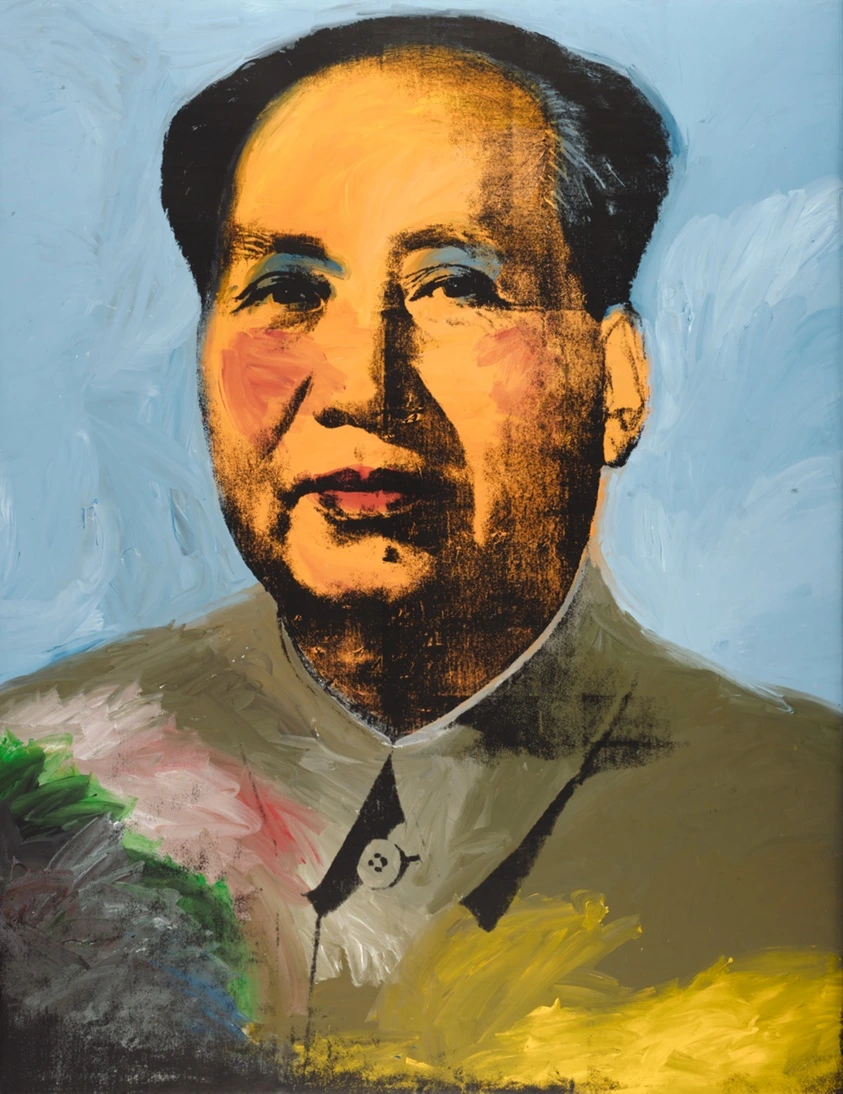
"Diamond Dust Joseph Beuys" is a 1980 painting by Andy Warhol that captures the American Pop artist in his most glitteringly material and ironically commemorative mode, the image showing the German artist Joseph Beuys rendered with the acrylic, silkscreen ink, and diamond dust on linen, the technique creating a surface of extraordinary sparkle and material luxury. The composition is a medium-sized square canvas—101.6 × 101.6 centimeters—showing Beuys with the diamond dust adding a dimension of physical brilliance and commercial glamour that contrasts ironically with Beuys's own anti-commercial, socially engaged practice. The 1980 date places this work in the period of Warhol's mature portraiture of fellow artists and his exploration of the portrait as a vehicle for social commentary and material excess. Art historians have connected this painting to the broader tradition of the artist portrait in postwar art, from the paintings of Bacon to the photographs of the period, noting that Warhol's treatment is more focused on the material surface and the ironic commentary, the transformation of artistic colleague into glittering commodity, than the psychological insight or the critical analysis of these other traditions.
Cultural Impact
This 1980 painting made Beuys glitteringly ironic through medium 101cm square diamond-dust sparkle silkscreen material luxury and acrylic commemorative surface, using mature artist-portraiture to transform socially engaged colleague into glittering commercial commodity beyond Bacon psychological critical insight.
Why It Matters
It matters because Warhol covered another artist in diamond dust and made the canvas feel like it was winking at the difference between art and money—proving that even a portrait could be a joke if the dust was shiny enough.
![Liz #3 [Early Colored Liz]](https://image.artoryworks.com/iiif/362c0c2a-4576-2207-4ba9-2b87e6d0bad0.webp)

