Provenance
Viscount Pierre de Chezelles and Vicomte Hippolyte le Sellier de Chezelles; Lord Duveen (1869-1939), London, England (by 1926 - at least 1933); Mr. 'Commodore' Louis Dudley Beaumont (1857-1942) and Mrs.
Beaumont (Helene M. Thomas) (1895-1988), Cap d’Antibes, France (about 1935–36-1942); Louis Dudley Beaumont Foundation, by gift to the Cleveland Museum of Art (1942-1948); The Cleveland Museum of Art, Cleveland, OH (1948-)
Accession Number
1948.176.3
Medium
oil on canvas
Dimensions
Framed: 157 x 89 x 5.5 cm (61 13/16 x 35 1/16 x 2 3/16 in.); Unframed: 150.3 x 82.3 cm (59 3/16 x 32 3/8 in.)
Classification
Painting
Credit Line
Gift of the Louis Dudley Beaumont Foundation
Tags
Painting Baroque (1600–1750) Oil Painting Canvas French Color: Yellow Color: Gold
Background & Context
Background Story
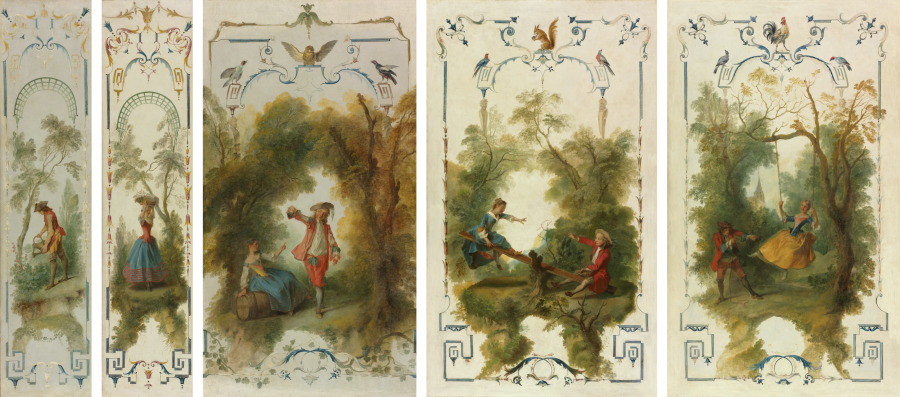
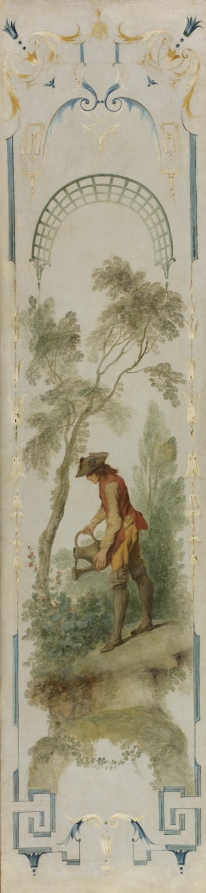
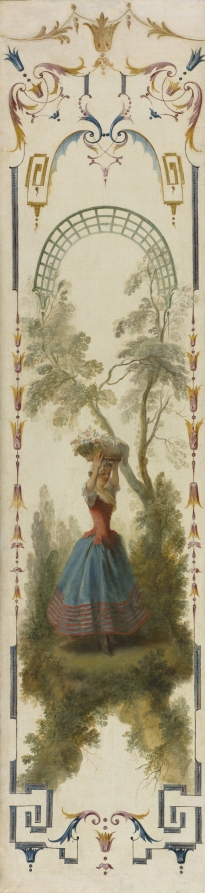
The Vineyard (c. 1723-1727) is an unusual subject for the fête galante genre, which typically depicted aristocratic leisure in gardens and parks rather than in working agricultural landscapes. The vineyard, with its associations of productive labor rather than refined pleasure, provided Lancret with a subject that connected the aristocratic world of the fête galante to the productive landscape that sustained it. The 1723-27 date places this during the period when Lancret was expanding his subject range beyond the garden settings that dominated his earlier work. The vineyard subject allowed Lancret to combine landscape observation with social genre: the figures in the vineyard—whether workers or aristocratic visitors—create a social dimension that distinguishes this work from pure landscape painting. The specific quality of a French vineyard—with its ordered rows of vines, its characteristic architecture, and the seasonal rituals of viticulture—provided Lancret with a landscape subject that was both visually interesting and culturally significant. The wine produced in the vineyard connected the agricultural landscape to the aristocratic dining culture that was Lancret's more typical subject, creating a visual argument about the relationship between productive labor and refined consumption that French art had rarely articulated.
Cultural Impact
Lancret's vineyard paintings influenced how the productive landscape was represented in fête galante art, connecting aristocratic leisure to the agricultural economy that sustained it. The paintings influenced later French genre painters who similarly found subjects at the boundary between work and leisure. The vineyard subject influenced how French viticulture was represented in art, documenting the landscape that produced the wine central to French culture.
Why It Matters
This painting matters because it connects the fête galante's leisure world to the productive landscape that made that leisure possible—the vineyard that produced the wine that aristocratic society consumed, arguing that refined pleasure depends on productive labor, and that the relationship between them deserves artistic attention.