Provenance
Found in the book Jean Adhéma, David: Naissance du genie d'un peintre (Cannes, 1953), purchased by the library in 1956, and transferred from the Library of the Cleveland Museum of Art in January 1973.
Accession Number
1956.781
Medium
pen and black ink
Dimensions
Sheet: 13.2 x 21.3 cm (5 3/16 x 8 3/8 in.); Secondary Support: 17.1 x 25.1 cm (6 3/4 x 9 7/8 in.)
Classification
Drawing
Credit Line
Gift of The Cleveland Museum of Art Library
Tags
Drawing Baroque (1600–1750) Ink French Color: Orange Color: Gold
Background & Context
Background Story
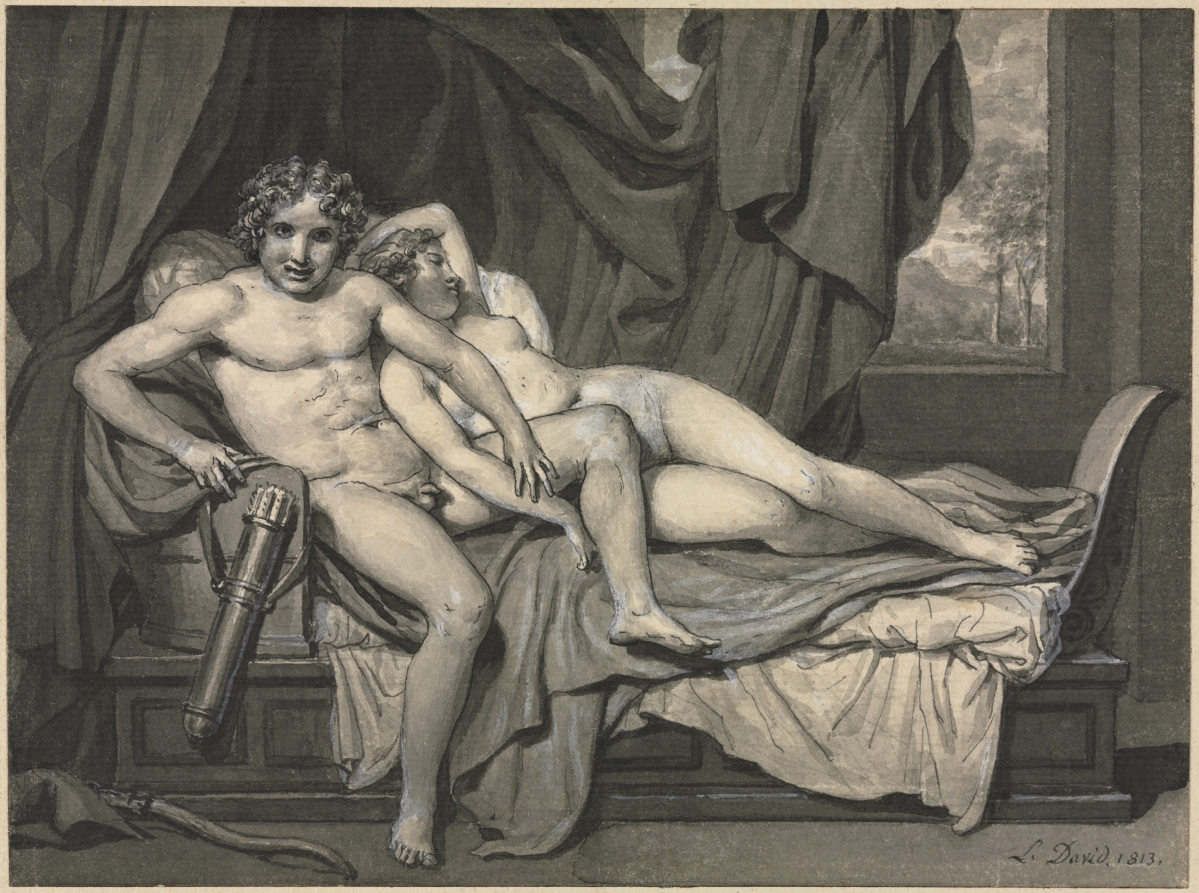
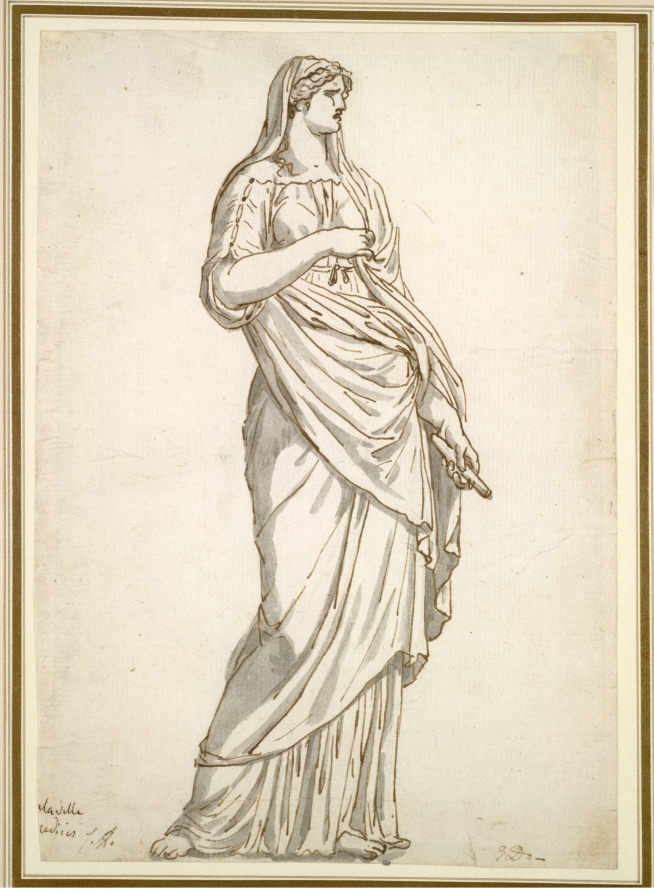
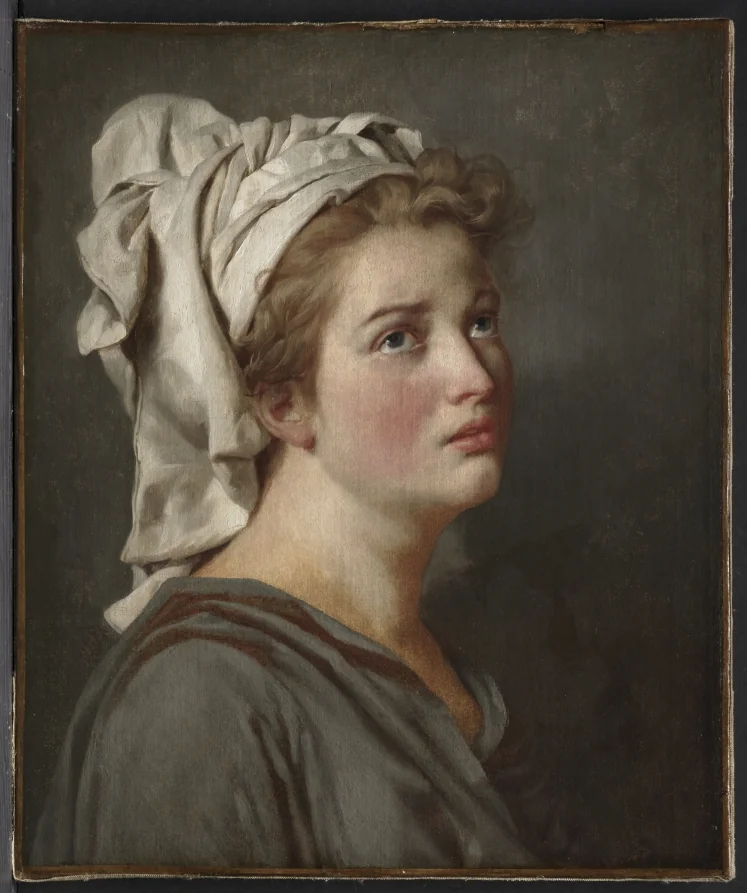
Jacques-Louis David (1748-1825) was a French painter known as the leading painter of the Neoclassical movement, whose history paintings in the severe, heroic manner defined the visual style of the French Revolution and the Napoleonic era. Gods and Goddess from the late 18th or early 19th century is a drawing that demonstrates David's mastery of the heroic figure in the severe, Neoclassical manner that he developed as an alternative to the Rococo. The drawing subject—the gods and goddesses of classical mythology—shows David working in the classical subjects that were his specialty, and the severe, heroic manner of the drawing shows the Neoclassical style at its most accomplished.
Cultural Impact
Gods and Goddess is important in David's oeuvre because it demonstrates the severe, heroic drawing manner that he brought to classical subjects as the leading painter of the Neoclassical movement. David's drawings of classical figures—in the severe, heroic manner that he developed from his study of classical sculpture—show the foundation of his Neoclassical style, and the drawing demonstrates the classical subjects and heroic manner that would define the visual style of the French Revolution and the Napoleonic era.
Why It Matters
Gods and Goddess is David's Neoclassical drawing at its most heroic: classical deities rendered in the severe, heroic manner that he developed as the leading painter of the Neoclassical movement. The late 18th/early 19th century drawing shows the foundation of the style that would define the visual language of the French Revolution and the Napoleonic era.