Accession Number
1979.26
Medium
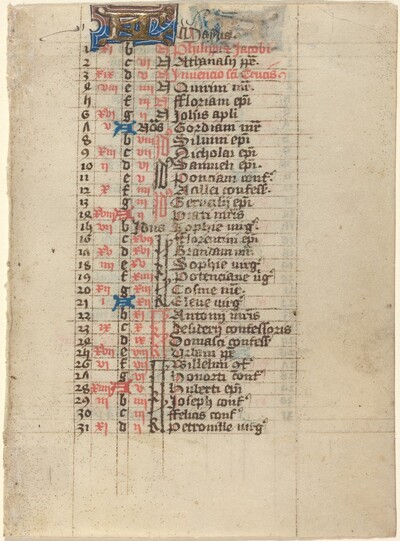
pen and brown ink and brush and brown and gray wash, with blue and green watercolor and red chalk wash; framing lines in pen and brown ink
Dimensions
Sheet: 20.5 x 14.8 cm (8 1/16 x 5 13/16 in.)
Classification
Drawing
Credit Line
Andrew R. and Martha Holden Jennings Fund
Tags
Drawing Baroque (1600–1750) Watercolor Ink Flemish Color: Orange Color: White
Background & Context
Background Story
Jan Brueghel the Elder (1568-1625) was a Flemish painter known for the precisely detailed, colorful manner that makes him one of the most important painters of the Flemish Baroque tradition and earned him the nickname Velvet Brueghel. A View of Spa from c. 1619 depicts the spa town of Spa in the precisely detailed, colorful manner that distinguishes Jan Brueghel's best landscape views from the more generalized landscape painting of his contemporaries. The c. 1619 date places this in Brueghel's most productive period, when he was producing the precisely detailed landscape views, flower paintings, and paradise landscapes that are his most accomplished works.
Cultural Impact
A View of Spa is important in the history of Flemish landscape painting because it demonstrates the precisely detailed, colorful manner that Jan Brueghel brought to landscape views. Brueghel's precisely detailed landscapes—recording the exact appearance of towns and cities with the accuracy of a topographical document while maintaining the beauty of a landscape painting—represent an important type of Flemish painting that is simultaneously topographical and aesthetic, and the c. 1619 painting shows this type at its most accomplished.
Why It Matters
A View of Spa is Jan Brueghel's precise Flemish landscape: the spa town rendered in the detailed, colorful manner that earned him the nickname Velvet Brueghel. The c. 1619 painting shows the most important landscape painter of the Flemish Baroque recording the exact appearance of a town with topographical accuracy and aesthetic beauty.