Description
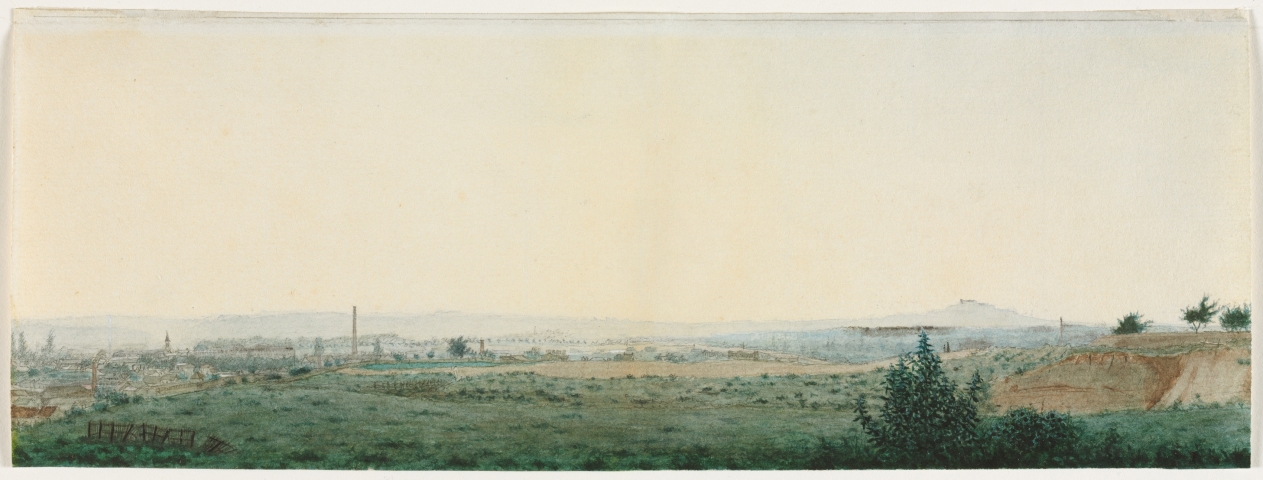
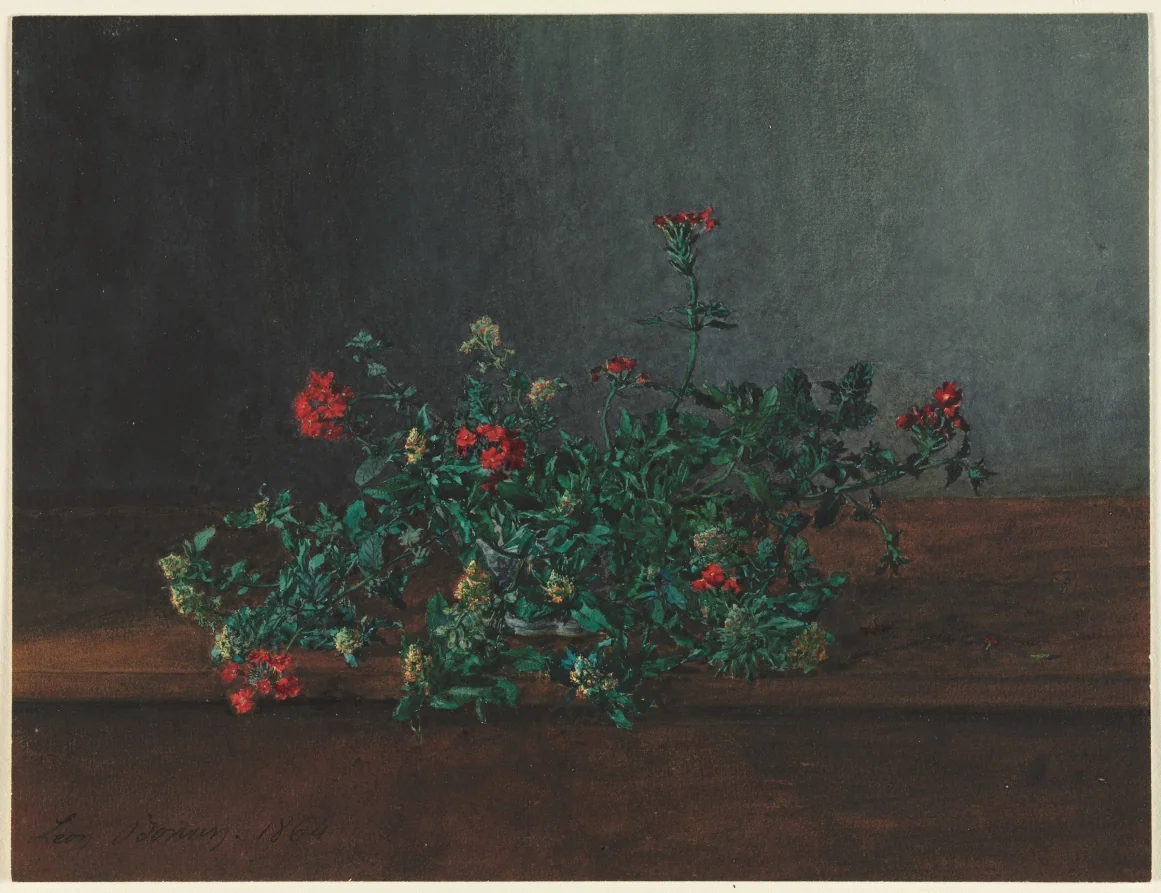
Neglected within his own time, the watercolors of Bonvin have only come to be fully appreciated in the late 20th century. An artist with little formal training, Bonvin earned a living working in his family’s inn in Vaugirard, on the outskirts of Paris. The landscape near his home and studies of the inn’s garden became his themes.
Provenance
[]
Accession Number
1980.236
Medium
Watercolor and pen and brown ink with white heightening
Dimensions
Sheet: 25.3 x 29.5 cm (9 15/16 x 11 5/8 in.); Secondary Support: 25.3 x 29.5 cm (9 15/16 x 11 5/8 in.)
Classification
Drawing
Credit Line
Bequest of Noah L. Butkin
Tags
Drawing Impressionist & Modern (1851–1900) Watercolor Ink French Color: Green
Background & Context
Background Story
Leon Bonvin (1834-1866) was a French painter known for the precisely observed watercolor studies of plants and flowers that make him one of the most accomplished watercolorists of the 19th century. Study of a Plant, Possibly Thistle from 1862 depicts a thistle in the precisely observed, botanical manner that distinguishes Bonvin's best watercolor studies from the more general botanical illustration of his contemporaries. The 1862 date places this in Bonvin's most productive period, before his tragic death at 32, and the thistle subject shows his talent for depicting plants with both botanical precision and artistic beauty.
Cultural Impact
Study of a Plant, Possibly Thistle is important in the history of 19th-century watercolor because it demonstrates the precisely observed, botanical manner that Bonvin brought to plant studies as one of the most accomplished watercolorists of the 19th century. Bonvin's precisely observed plant studies—combining botanical precision with the artistic beauty that makes them more than mere illustration—represent one of the most accomplished traditions in 19th-century watercolor, and the 1862 study shows this tradition at its most precisely observed.
Why It Matters
Study of a Plant, Possibly Thistle is Bonvin's precisely observed watercolor: a thistle rendered in the botanical manner of one of the most accomplished watercolorists of the 19th century. The 1862 study shows the combination of botanical precision with artistic beauty that makes Bonvin's plant studies more than mere illustration.