
Description
Hua Yan is one of the Eight Eccentrics of Yangzhou, who rejected Orthodox ideas about painting.
Provenance
(Frank Caro [1904–1980], New York, NY, sold to the Cleveland Museum of Art) (?–1982); The Cleveland Museum of Art, Cleveland, OH (1982–)
Album of Landscape Paintings Illustrating Old Poems: A Scholar at a Table with a Servant aside Preparing the Ink
1745
Accession Number
1982.68.10
Medium
Album leaf; ink and light color on paper
Dimensions
Album, closed: 15.4 x 18.5 x 3.1 cm (6 1/16 x 7 5/16 x 1 1/4 in.); Each painting: 11.2 x 13.1 cm (4 7/16 x 5 3/16 in.)
Classification
Painting
Credit Line
Edwin R. and Harriet Pelton Perkins Memorial Fund
Tags
Painting Baroque (1600–1750) Ink Paper Chinese Color: White Color: Gray
Background & Context
Background Story
This album leaf illustrates the intimate relationship between the scholar and his servant through the daily ritual of ink preparation. The servant grinds the ink stick on the inkstone while the scholar waits at his desk, a moment of preparation that precedes the creative act. Hua Yan captures this in-between moment with the observational precision that distinguishes his genre scenes from the more conventional treatments of other Yangzhou painters. The composition is organized around the diagonal between servant and scholar, creating a dynamic tension within a quiet domestic scene.
Cultural Impact
Scenes of scholars with servants preparing ink were a subgenre of literati painting that highlighted the material conditions of cultural production. Ink, brush, paper, and inkstone — the Four Treasures of the Study — were not just tools but objects of aesthetic contemplation in their own right. Hua Yan's treatment reminds the viewer that the scholar's lofty thoughts depend on the servant's humble labor.
Why It Matters
A Scholar at a Table with a Servant Aside Preparing the Ink is Hua Yan's sly commentary on the relationship between high culture and manual labor. The painting will not happen until the ink is ground — a truth that the literati tradition preferred to overlook.
Related Artworks
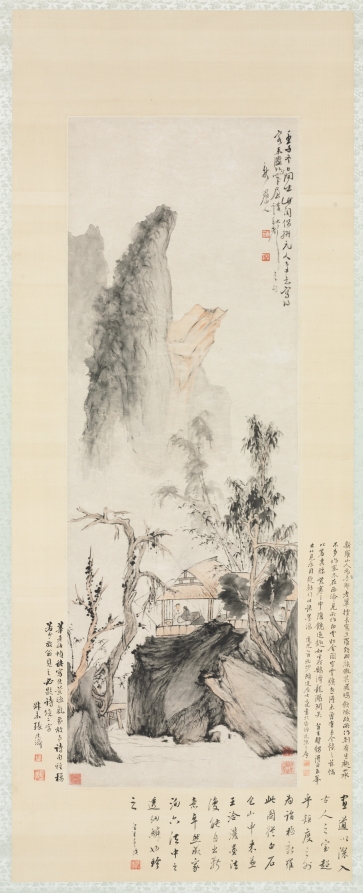
Conversation in Autumn
Hua Yan
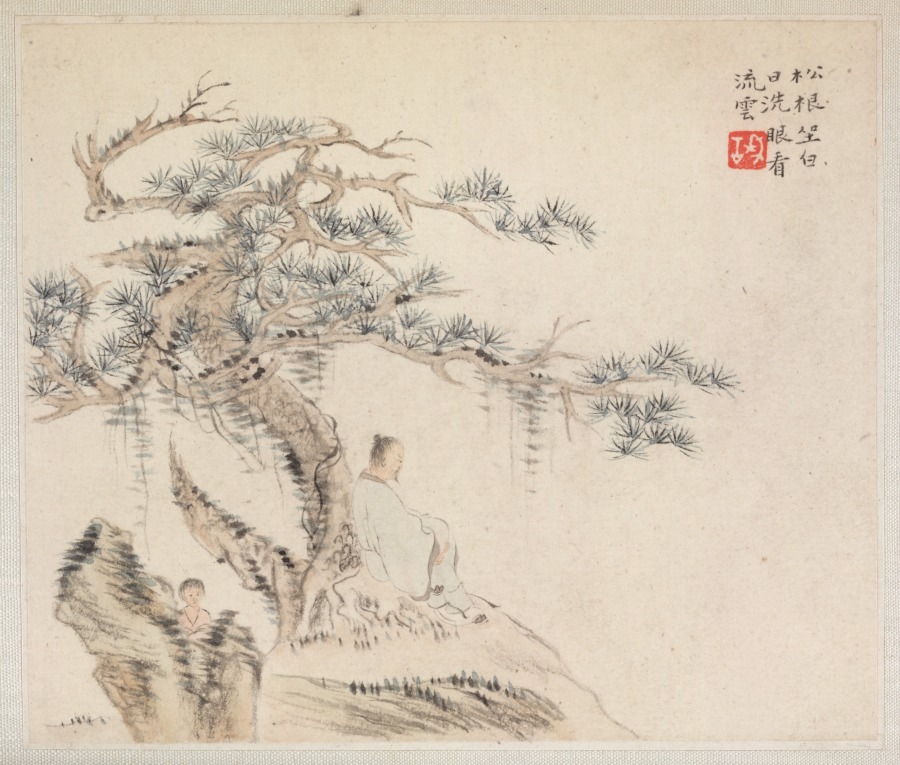
Album of Landscape Painting Illustrating Old Poems
Hua Yan
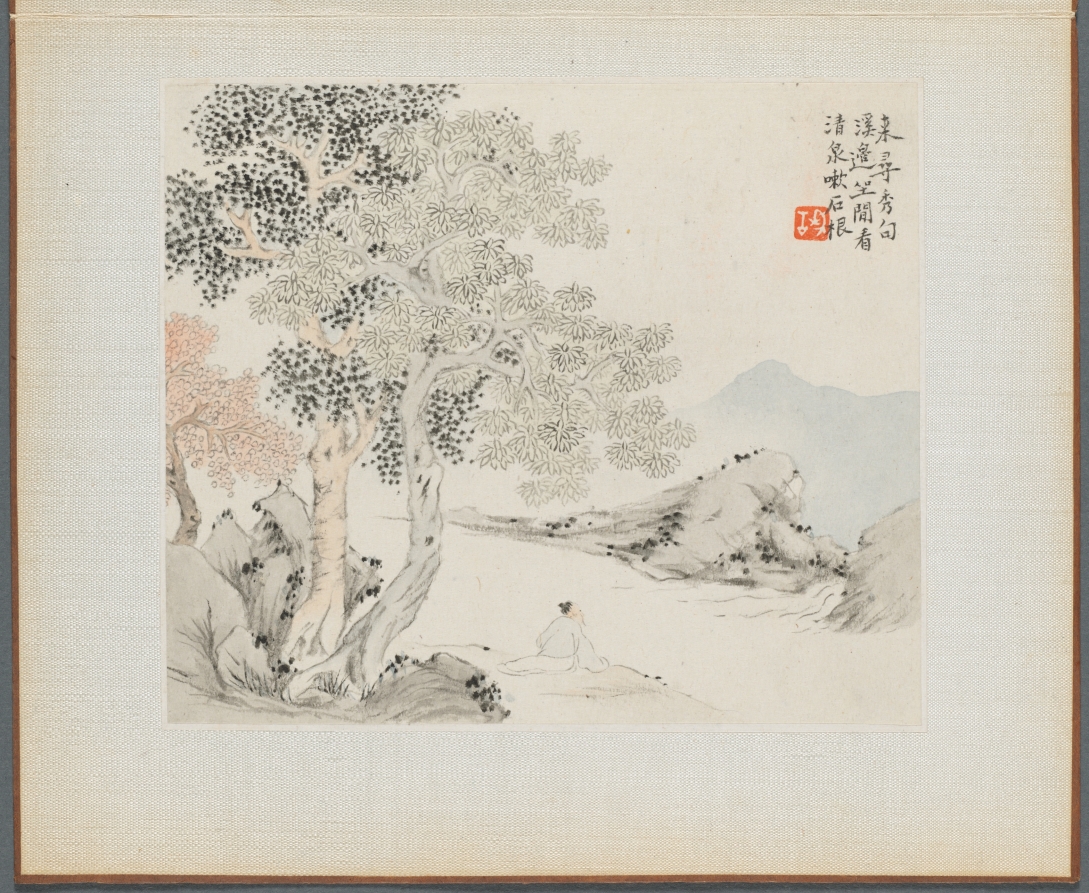
Album of Landscape Paintings Illustrating Old Poems: Three Big Trees, a Stream with an Old Man Sitting on the Bank
Hua Yan
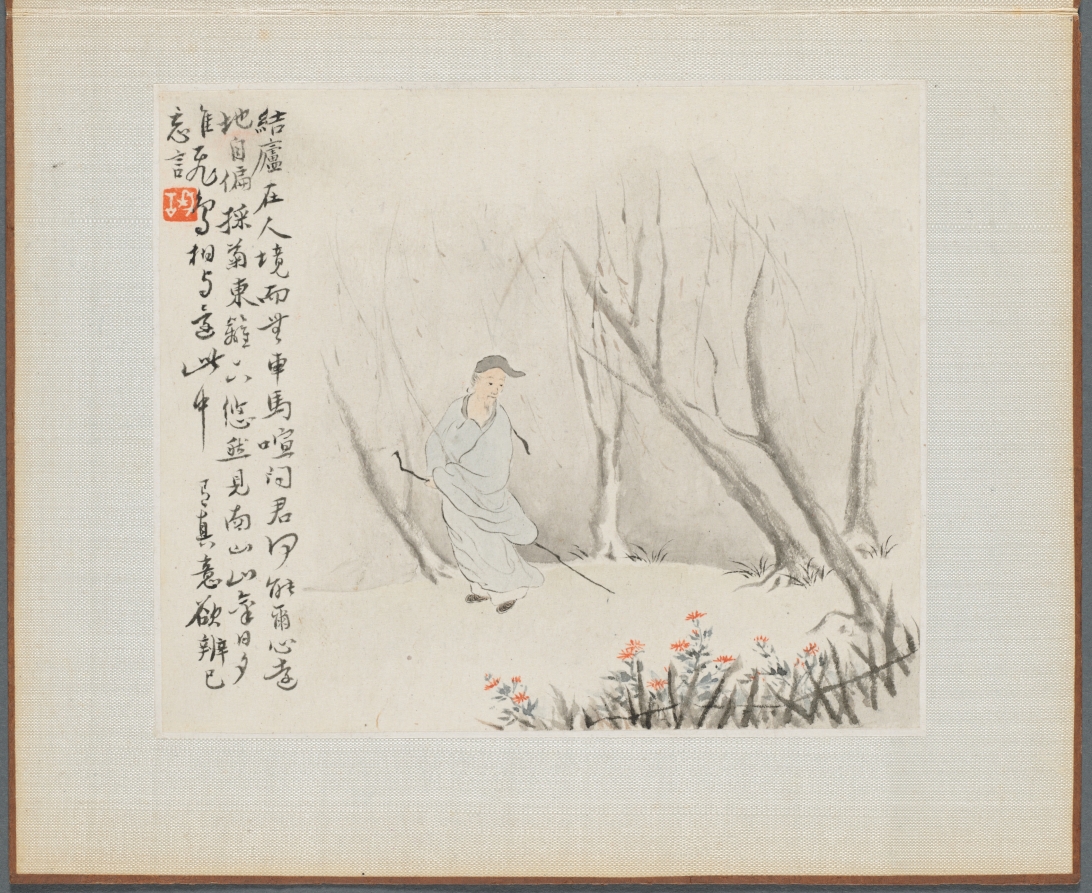
Album of Landscape Paintings Illustrating Old Poems: Man with a Staff Admires Chrysanthemums at a Fence
Hua Yan