Description
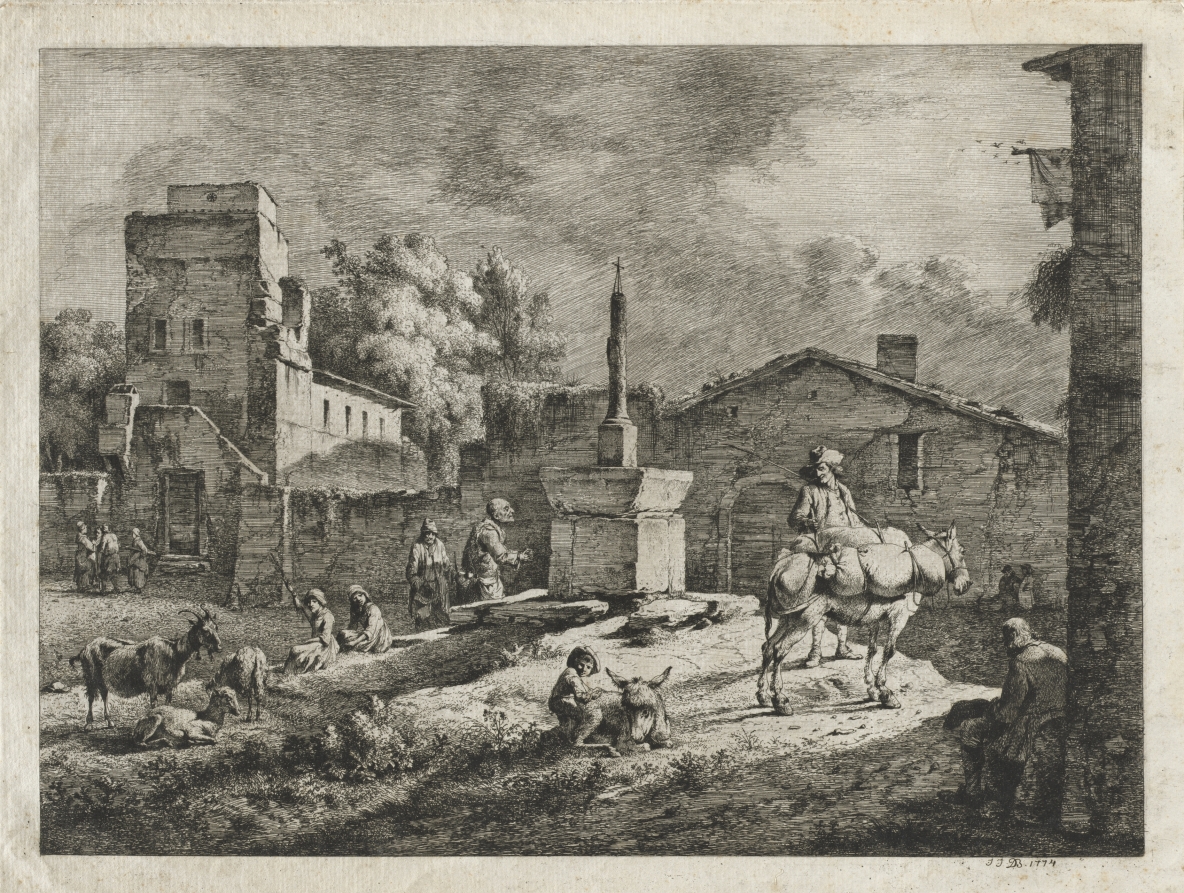
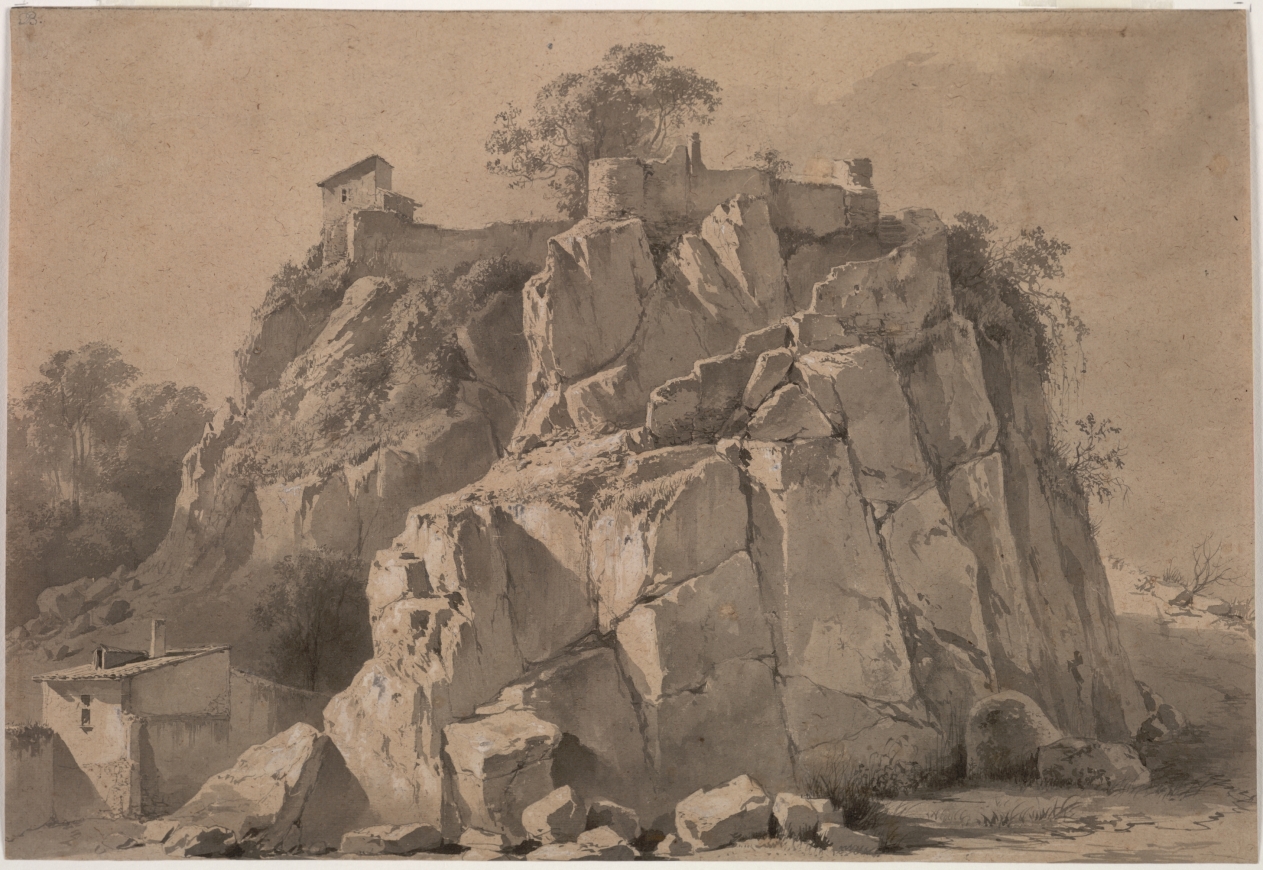
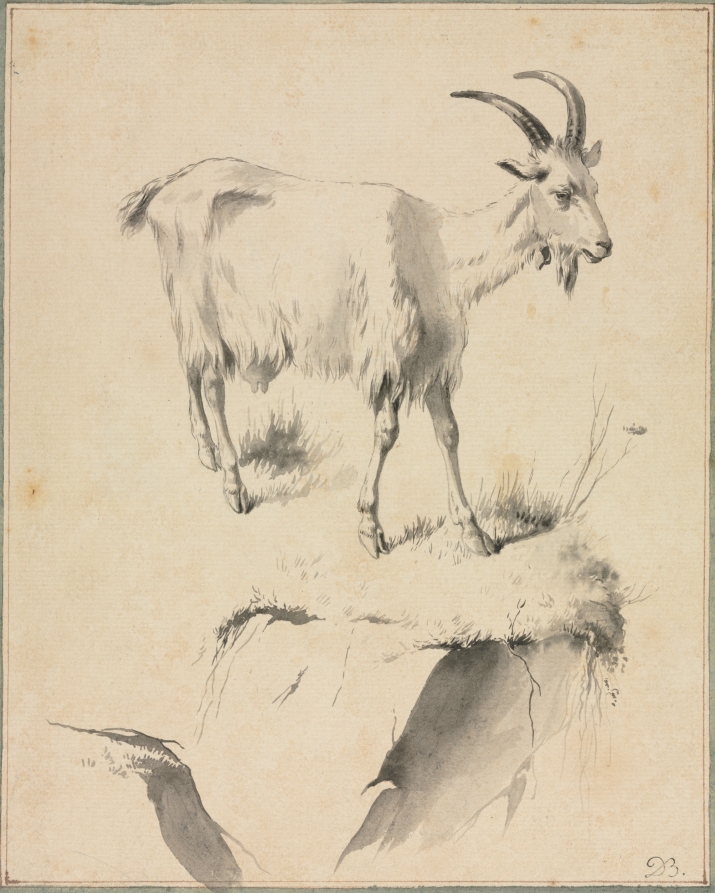
Boissieu’s pastoral landscapes are characterized by meticulous detail and sensitive variations in light and shadow skillfully created with brush and wash. Largely self-taught, Boissieu drew inspiration from the watermills, windmills, and rustic figures in Dutch art and the countryside around Lyon where he lived all his life.
Provenance
Arnoldi-Livre, Munich, July 1990
Accession Number
2008.367
Medium
Brown ink wash and point of brush with graphite underdrawing on cream wove paper
Dimensions
Overall: 20.3 x 24.1 cm (8 x 9 1/2 in.)
Classification
Drawing
Credit Line
Bequest of Muriel Butkin
Tags
Drawing Neoclassical & Romantic (1751–1850) Ink Graphite & Pencil Paper French Color: Orange Color: White
Background & Context
Background Story
Jean Jacques de Boissieu (1736-1810) was a French printmaker known for the precisely observed, atmospherically composed etchings that make him one of the most accomplished printmakers of the 18th-century French tradition. Landscape with Watermill from c. 1790 depicts a landscape with a watermill in the precisely observed, atmospherically composed manner that distinguishes de Boissieu's best work from the more general etching of his contemporaries. De Boissieu was known for his precisely observed, atmospherically composed etchings of French and Italian landscapes that combine the precision of the topographical tradition with the atmosphere of the picturesque, and Landscape with Watermill shows the French etching tradition at its most accomplished.
Cultural Impact
Landscape with Watermill is important in the history of French printmaking because it demonstrates the precisely observed, atmospherically composed manner that de Boissieu brought to etching as one of the most accomplished printmakers of the 18th-century French tradition. De Boissieu's precisely observed, atmospherically composed etchings of French and Italian landscapes—combining the precision of the topographical tradition with the atmosphere of the picturesque—represent one of the most accomplished traditions in French printmaking, and the c. 1790 etching shows this tradition at its most precisely observed.
Why It Matters
Landscape with Watermill is de Boissieu's precisely observed French etching: a landscape with a watermill rendered in the atmospherically composed manner of one of the most accomplished printmakers of the 18th-century French tradition. The c. 1790 etching shows the combination of topographical precision with picturesque atmosphere that makes de Boissieu distinctive.