Accession Number
2009.299
Medium
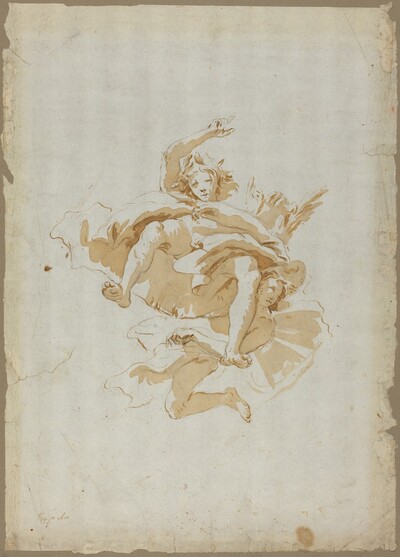
pen and black ink and watercolor
Dimensions
Sheet: 30.6 x 44.5 cm (12 1/16 x 17 1/2 in.)
Classification
Drawing
Credit Line
Bequest of Muriel Butkin
Tags
Drawing Watercolor Ink French Color: Gray
Background & Context
Background Story
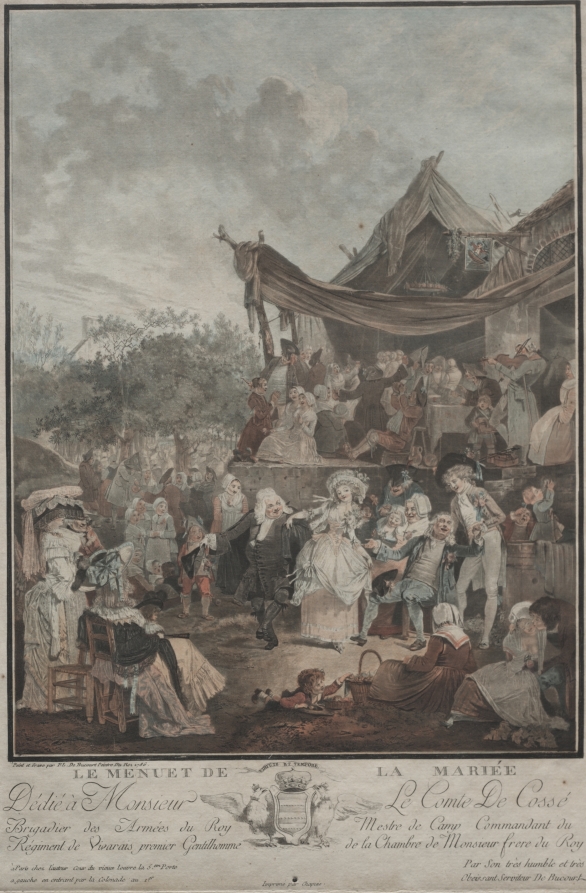
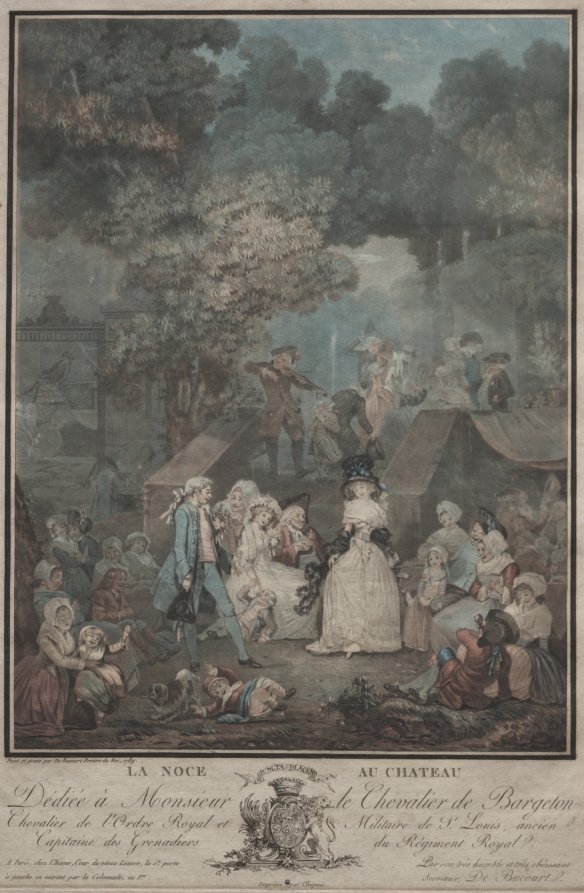
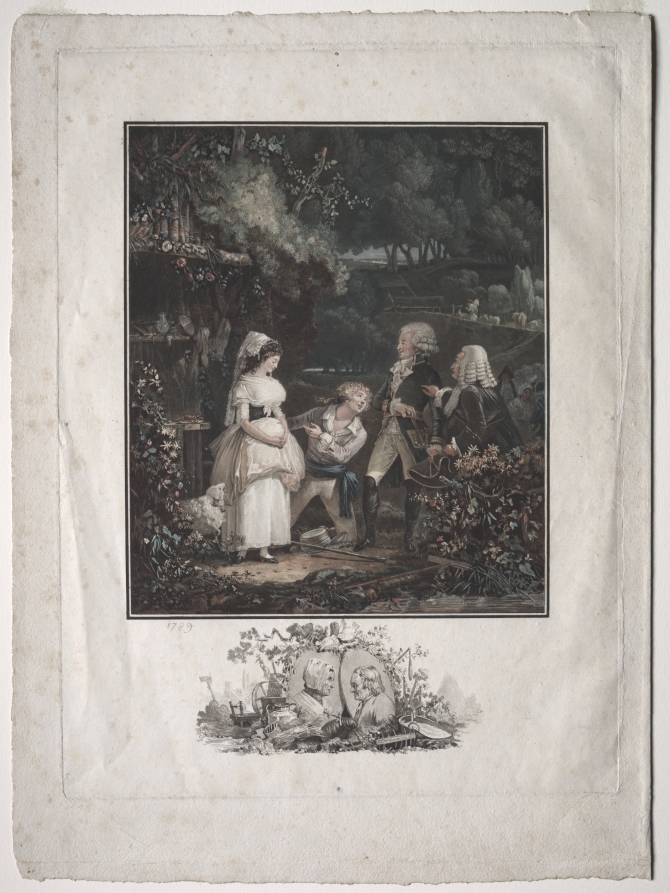
Philibert Louis Debucourt (1755-1832) was a French printmaker known for the characterfully observed, precisely composed etchings of Parisian life that make him one of the most accomplished printmakers of the 18th-century French tradition. Scene de Carnaval depicts a carnival scene in the characterfully observed, precisely composed manner that distinguishes Debucourt's best work. Carnival scenes were one of the most important subjects in French printmaking, representing the vibrant street life of Paris, and Debucourt's characterfully observed, precisely composed treatment shows the French printmaking tradition at its most accomplished.
Cultural Impact
Scene de Carnaval is important in the history of French printmaking because it demonstrates the characterfully observed, precisely composed manner that Debucourt brought to depictions of Parisian life as one of the most accomplished printmakers of the 18th-century French tradition. Debucourt's characterfully observed, precisely composed etchings of Parisian life—representing the vibrant street life of Paris—were among the most accomplished prints of the 18th century, and the drawing shows this tradition at its most characterfully observed.
Why It Matters
Scene de Carnaval is Debucourt's characterfully observed French etching: a carnival scene rendered in the precisely composed manner of one of the most accomplished printmakers of the 18th-century French tradition. The drawing shows the vibrant street life of Paris at its most characterfully observed.