Description
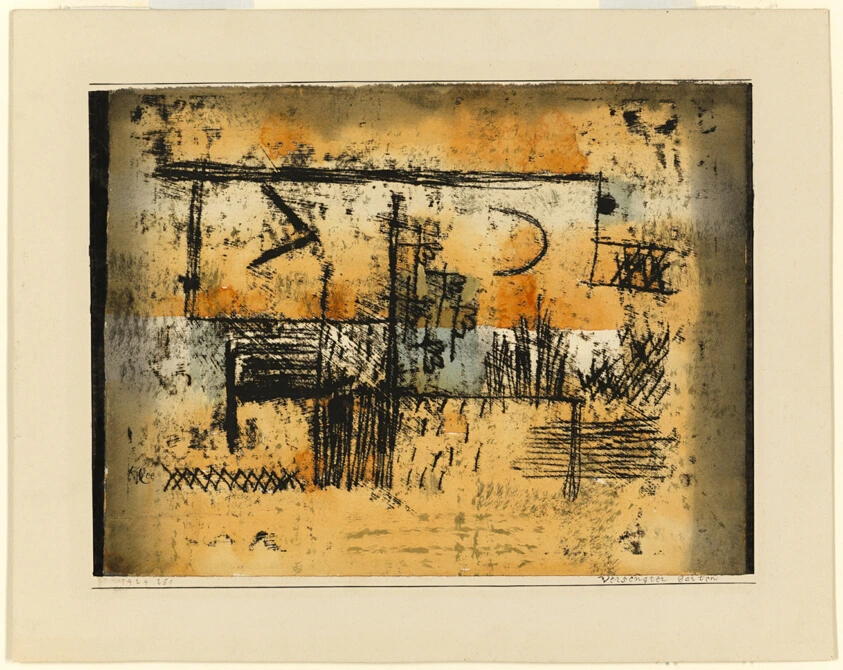
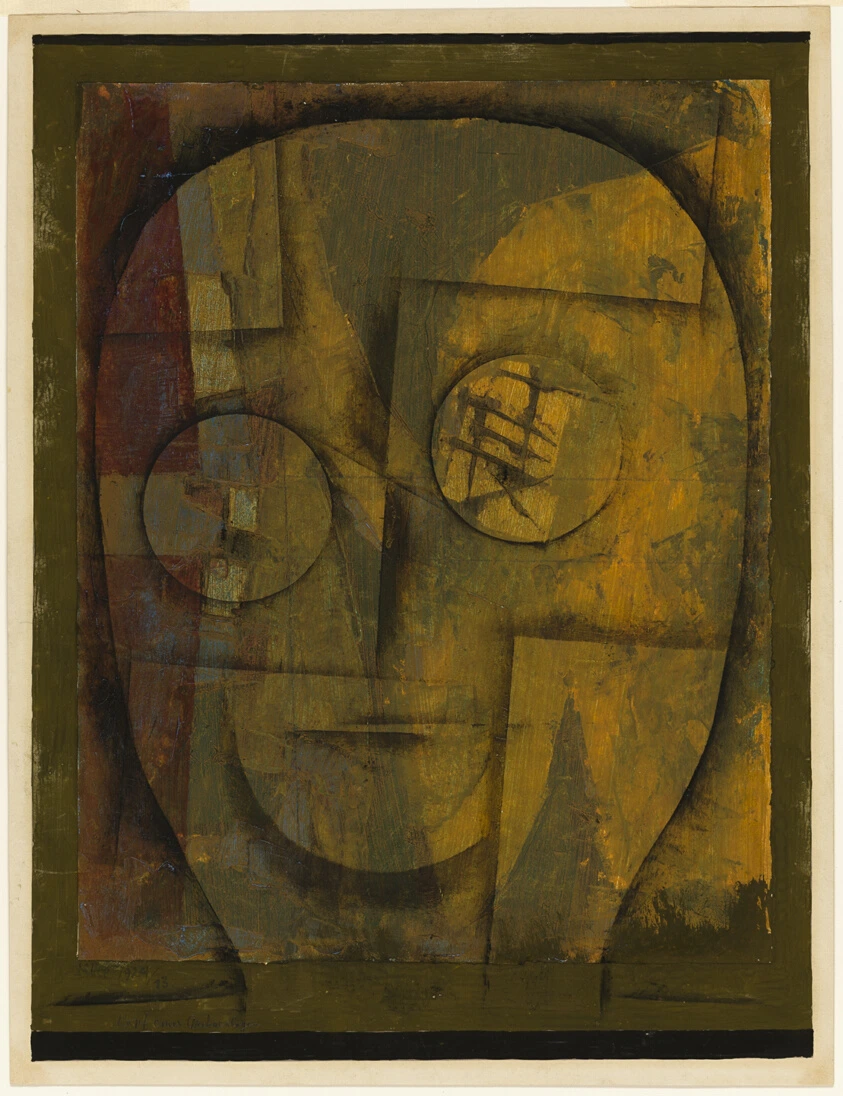
From the mid-1920s until 1933, Paul Klee taught a design class for the weaving workshop of the Bauhaus, a German art school combining ne art and craft. Concurrent with his classroom interaction with student weavers, Klee began to use increasingly unusual fabrics in his paintings, including cotton, jute, and silk, to explore the interaction between paint and the many distinct textures of his supports. In late works such as Exotics, painted on coarse burlap, Klee recalled his formative journeys to Tunisia and Egypt in 1914 and 1928, respectively. While these trips to North Africa, then under occupation by France and Great Britain, originally positioned him as an adventurer in the eyes of his contemporaries, the rough-hewn, woven character of the painting’s support was an expression of his long-standing interest in weaving.
Provenance
Accession Number
134057
Medium
Oil on burlap
Dimensions
71.1 × 55.9 cm (28 × 22 in.)
Classification
oil on canvas
Credit Line
Bequest of Mrs. Walter Paepcke