Accession Number
1924.90
Medium
ink
Dimensions
N/A
Classification
Drawing
Credit Line
Gift of Mr. and Mrs. Ralph King
Tags
Color: White Color: Gray
Background & Context
Background Story
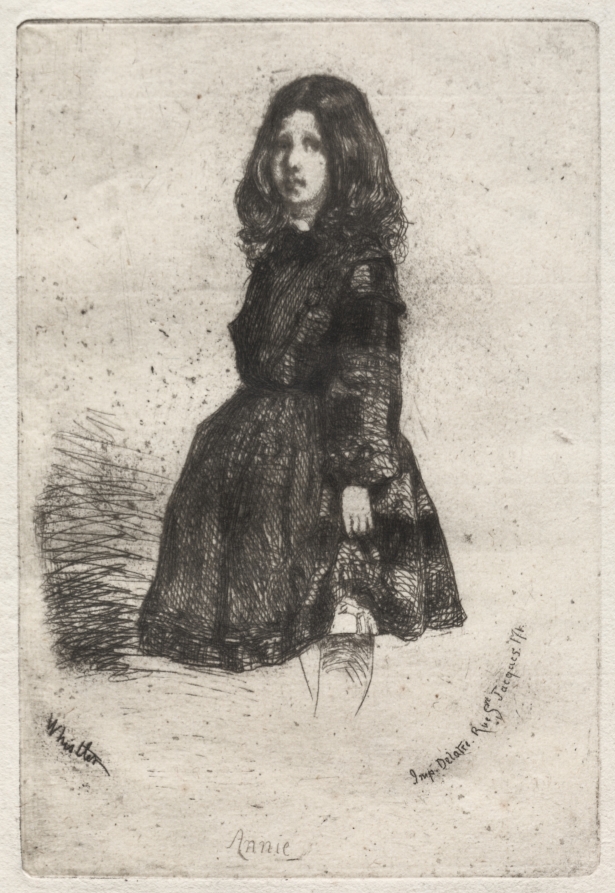
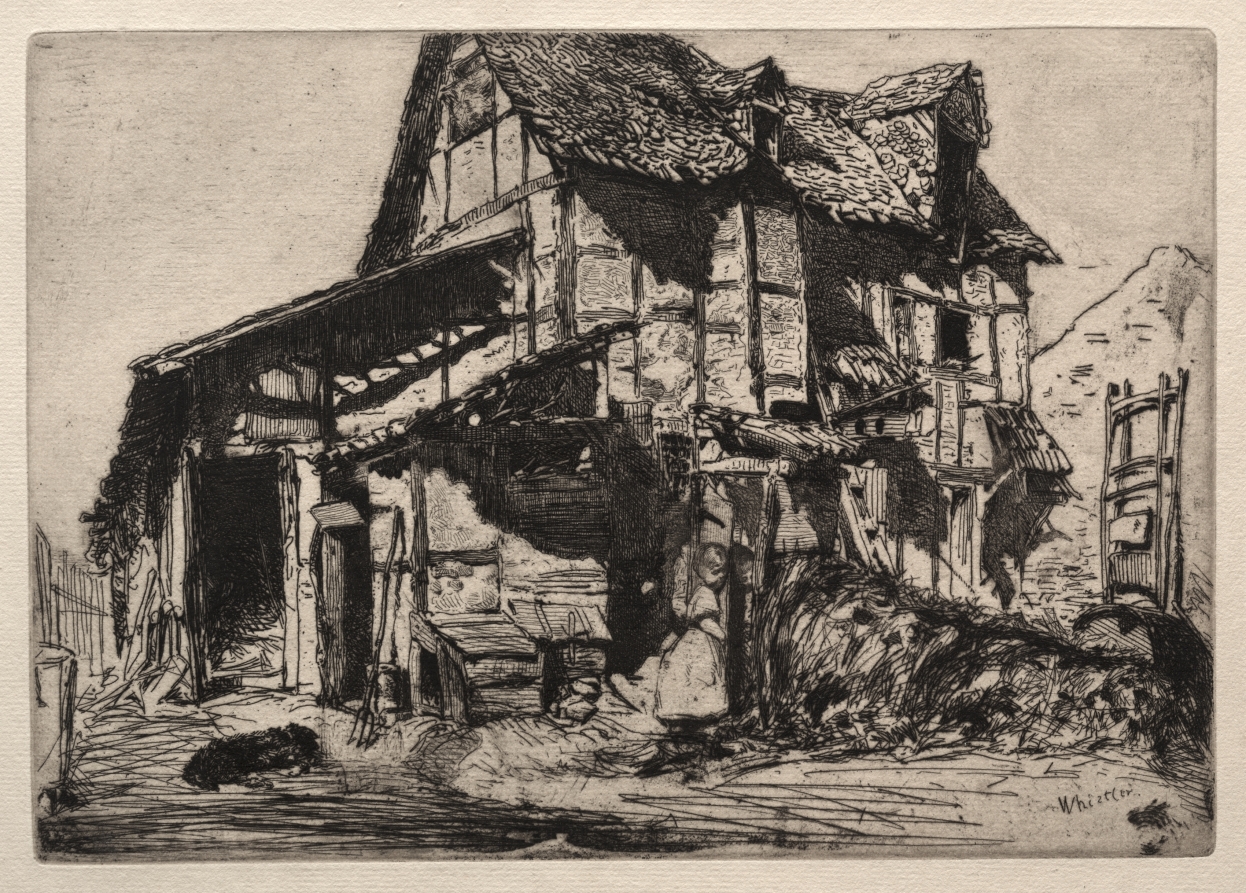
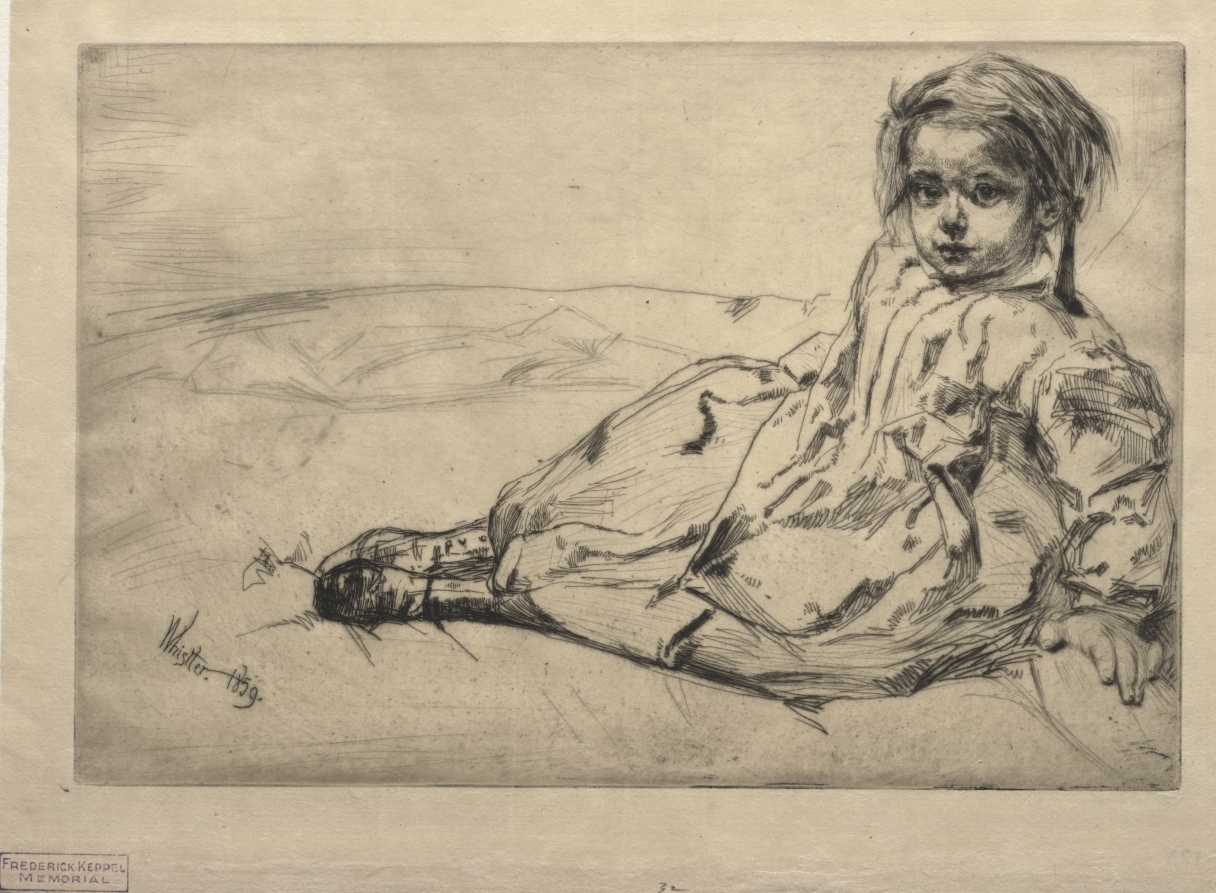
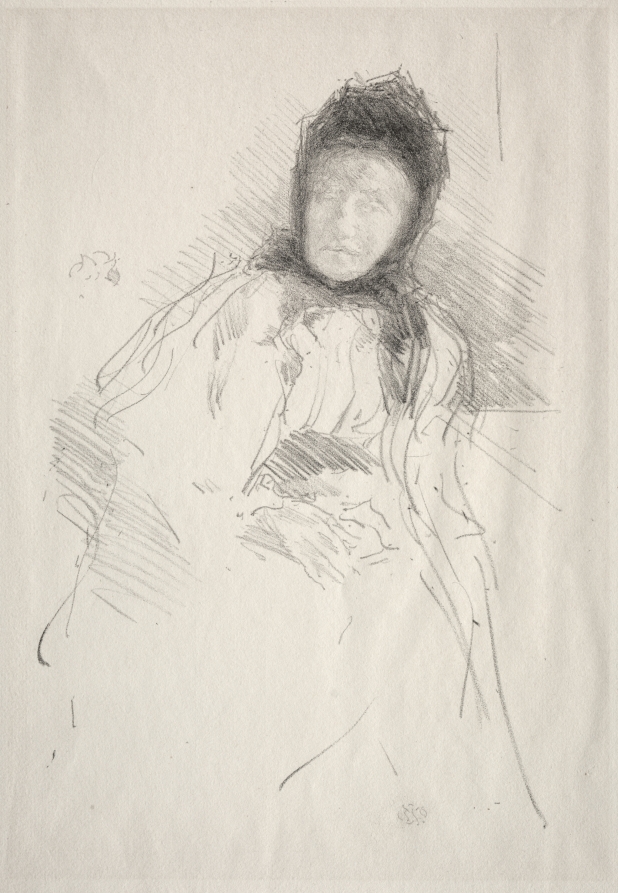
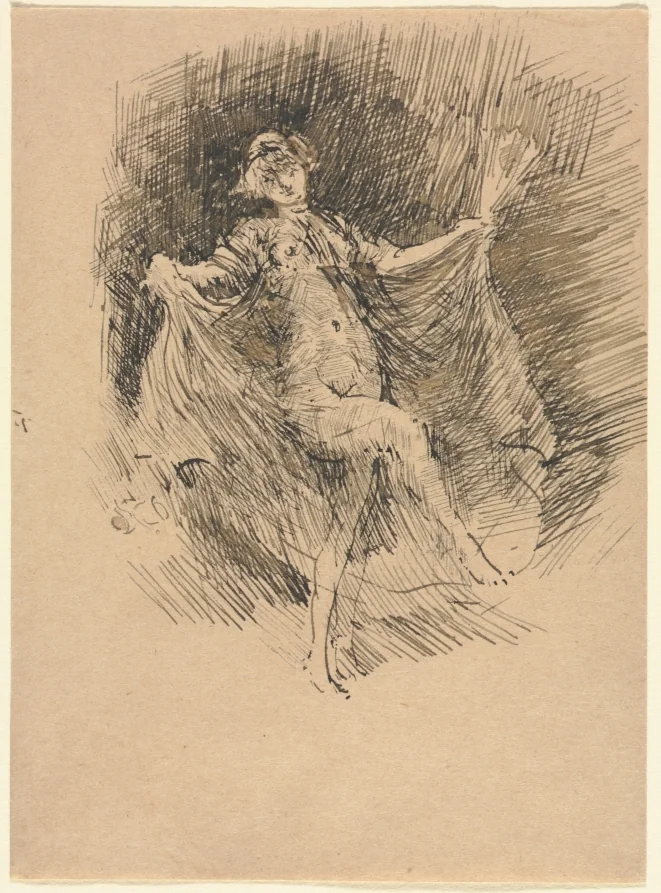
James McNeill Whistler's "The Dancer, No. 1" (c. 1900) is an ink drawing that captures the artist's lifelong fascination with movement, line, and the aesthetics of the performing arts. Created late in Whistler's career, this work reflects his continued evolution as a draftsman, with an increasingly spare and economical line that verges on abstraction. The dancer is rendered in minimal strokes—a few flowing lines suggest the tilt of the head, the arc of an arm, the position of the feet in motion. Whistler was deeply influenced by Japanese art, particularly ukiyo-e woodblock prints, which demonstrated how much could be suggested with so little. His interest in dance extended beyond ballet to include the rhythmic movements of the corps de ballet and the expressive possibilities of the human form in motion. This drawing also relates to Whistler's famous "Arrangement" series, where he treated human subjects primarily as formal arrangements of line, tone, and color. Here, the dancer becomes a study in pure linear rhythm—the subject is almost secondary to the beauty of the line itself.
Cultural Impact
Whistler's late drawings anticipate the modernist reduction of form to essential lines and rhythms, influencing the next generation of artists who would pursue abstraction and the expressive power of pure line.
Why It Matters
This ink drawing represents Whistler's artistic philosophy of "art for art's sake" in its purest form, where the beauty of line and composition takes precedence over narrative or representational accuracy.