Provenance
Christies, sale: Dec. 9, 1955, lot 70, to Arnold Wiggins; (Sale, Christies, Dec. 9, 1955, lot 70, to Arnold Wiggins); (Colnaghi, London)
Accession Number
1980.38
Medium
pastel
Dimensions
Sheet: 60.3 x 44.3 cm (23 3/4 x 17 7/16 in.)
Classification
Drawing
Credit Line
Mr. and Mrs. William H. Marlatt Fund
Tags
Drawing Baroque (1600–1750) Pastel German Color: Orange Color: Brown
Background & Context
Background Story
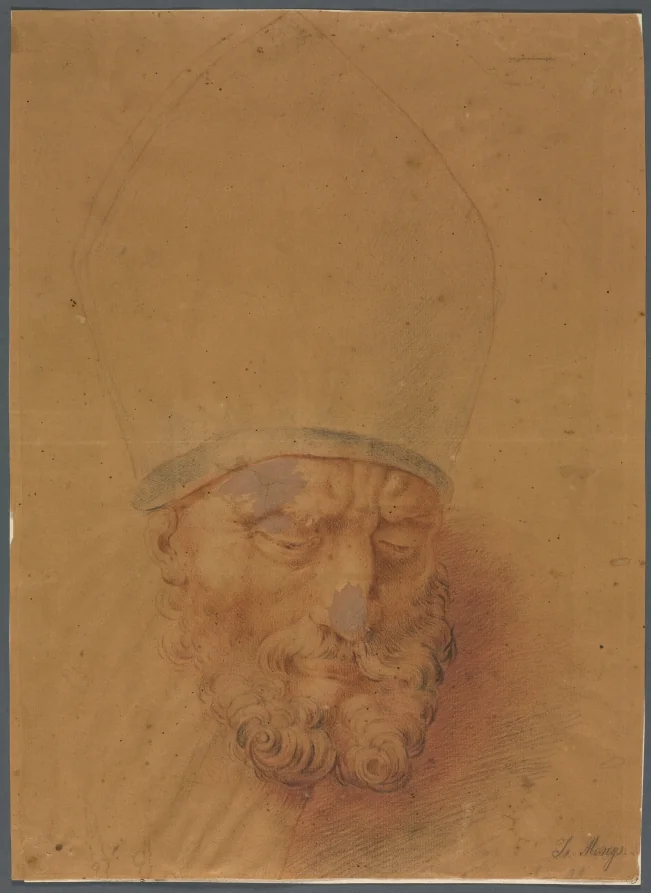
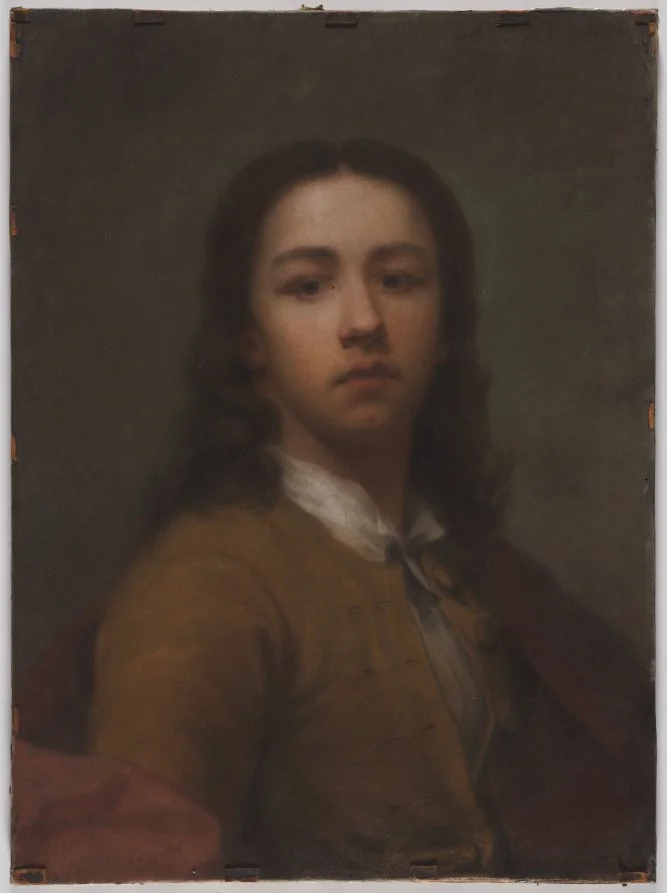
Self-Portrait in pastel from the mid 1700s is one of Mengs's most accomplished works on paper, depicting himself with the direct gaze and composed expression that characterize his neoclassical approach to portraiture. The pastel medium allows for a subtlety of tonal transition that oil painting cannot match, and Mengs exploits this quality to render his own features with the careful observation and controlled execution that he brought to all his work. The self-portrait is simultaneously a study in pastel technique and a statement of artistic identity—Mengs presenting himself as the neoclassical reformer he claimed to be.
Cultural Impact
Mengs's self-portrait in pastel is important in the history of 18th-century self-portraiture because it presents the artist as a neoclassical reformer rather than a bohemian genius. The composed expression and direct gaze communicate intellectual control and artistic authority—the qualities that Mengs wanted to be known for, as opposed to the emotional intensity that the Baroque tradition expected from self-portraits.
Why It Matters
Self-Portrait in pastel is Mengs presenting himself as a neoclassical reformer: composed expression, direct gaze, controlled execution—presenting the intellectual authority and artistic control that he wanted to be known for. The pastel medium allows the subtlety of tonal transition that makes the self-portrait feel both precise and personal.