
Description
Hua Yan is one of the Eight Eccentrics of Yangzhou, who rejected Orthodox ideas about painting.
Provenance
(Frank Caro [1904–1980], New York, NY, sold to the Cleveland Museum of Art) (?–1982); The Cleveland Museum of Art, Cleveland, OH (1982–)
Accession Number
1982.68.12
Medium
Album leaf; ink and light color on paper
Dimensions
Album, closed: 15.4 x 18.5 x 3.1 cm (6 1/16 x 7 5/16 x 1 1/4 in.); Each painting: 11.2 x 13.1 cm (4 7/16 x 5 3/16 in.)
Classification
Painting
Credit Line
Edwin R. and Harriet Pelton Perkins Memorial Fund
Tags
Painting Baroque (1600–1750) Ink Paper Chinese Color: Gray
Background & Context
Background Story
The water buffalo boy is one of the most beloved subjects in Chinese painting, symbolizing pastoral simplicity and the Daoist ideal of contentment with humble circumstances. Hua Yan's version is characteristically lively: the buffalo is a massive, solid presence rendered with bone-dry brushstrokes that emphasize its physicality, while the boy may be perched on its back or walking alongside it with the carefree posture of a child who has not yet learned to be dissatisfied with his lot. The composition is spare — just the boy, the buffalo, and the minimal landscape necessary to place them in space.
Cultural Impact
Hua Yan's water buffalo paintings are among his most sought-after works because they combine the Yangzhou School's love of expressive distortion with the pastoral tradition's celebration of rural simplicity. The buffalo is never merely a buffalo in Hua's treatment — it is a sculptural form, a personality, and a symbol all at once. The boy's relationship with the animal suggests a harmony between human beings and nature that the Daoist tradition holds up as an ideal.
Why It Matters
Boy Tending a Water Buffalo is Hua Yan at his most charming and most Daoist. The buffalo is solid, the boy is carefree, and together they represent an ideal of simplicity that the commercial, competitive world of Yangzhou made increasingly difficult to achieve.
Related Artworks
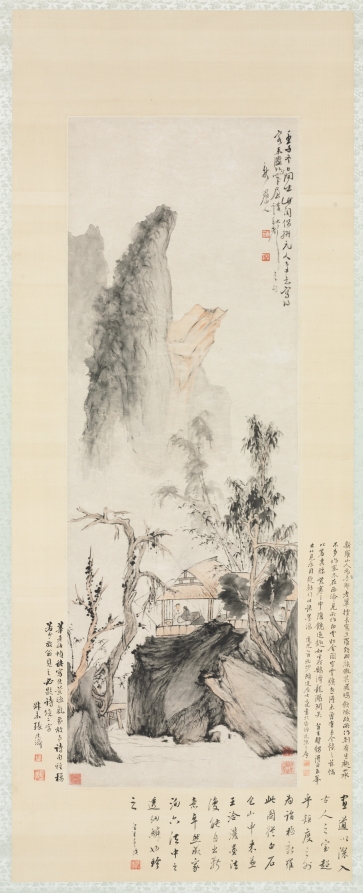
Conversation in Autumn
Hua Yan
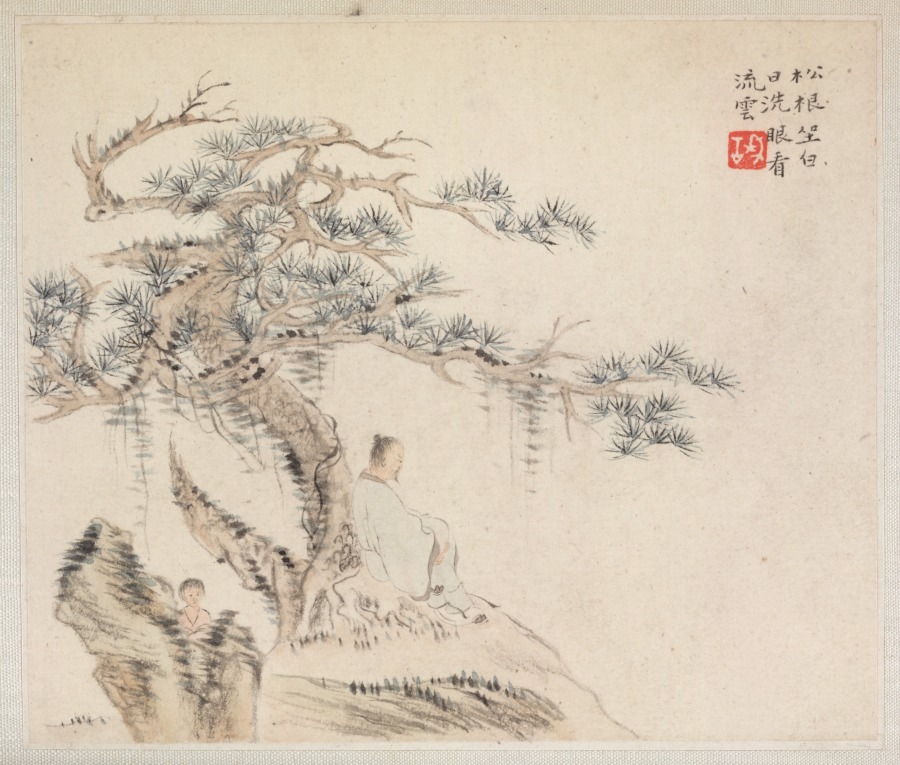
Album of Landscape Painting Illustrating Old Poems
Hua Yan
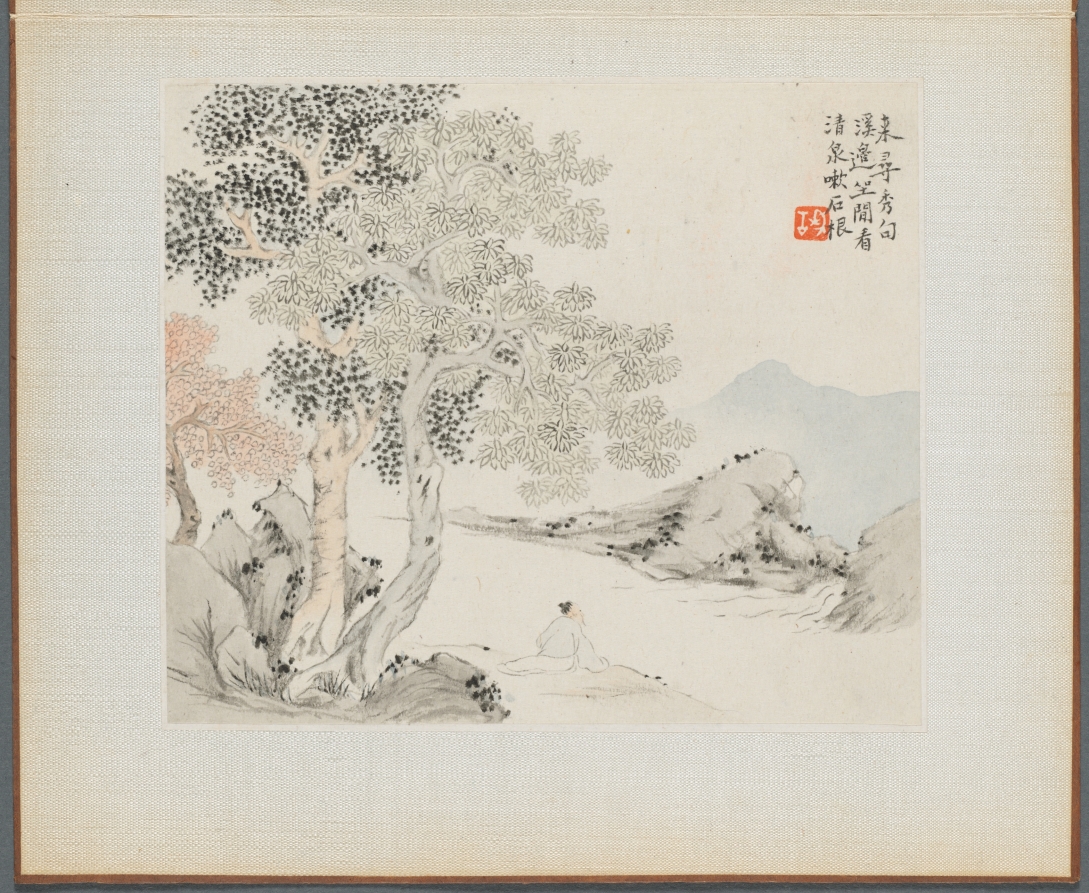
Album of Landscape Paintings Illustrating Old Poems: Three Big Trees, a Stream with an Old Man Sitting on the Bank
Hua Yan
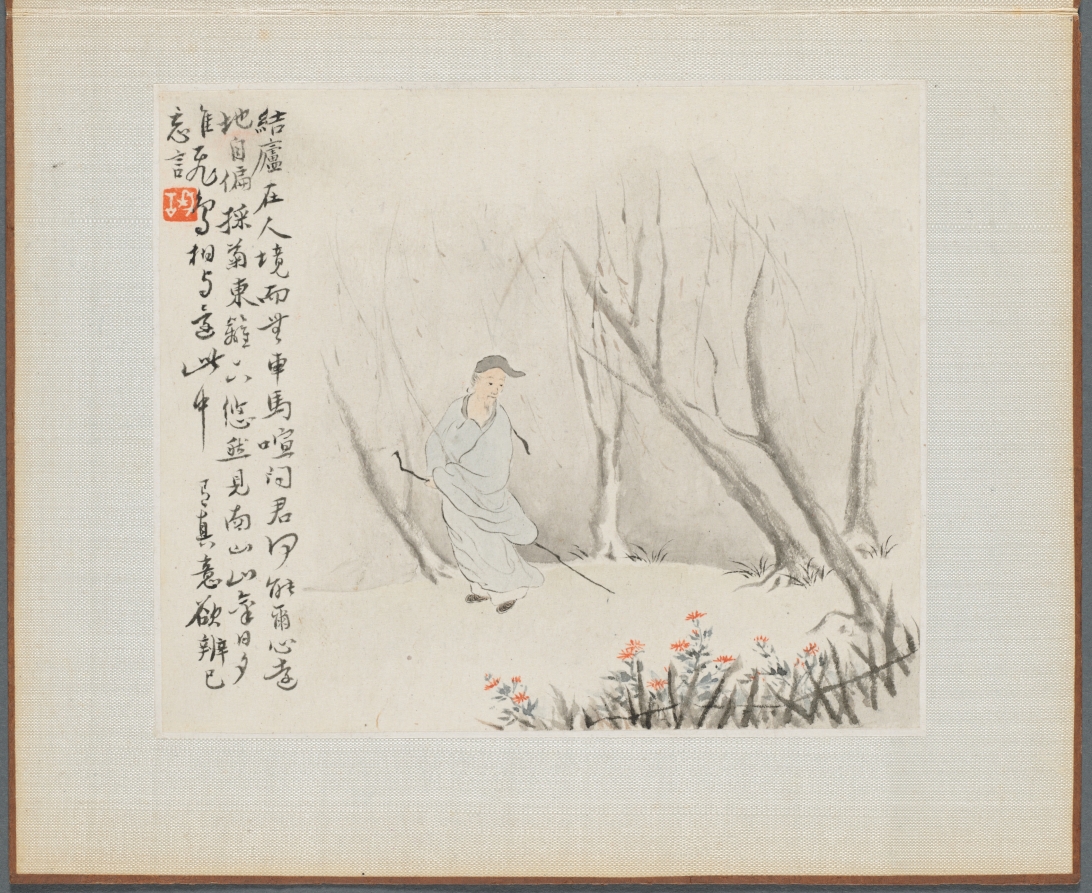
Album of Landscape Paintings Illustrating Old Poems: Man with a Staff Admires Chrysanthemums at a Fence
Hua Yan