Accession Number
1923.1118
Medium
oil on canvas
Dimensions
Unframed: 59 x 91.6 cm (23 1/4 x 36 1/16 in.)
Classification
Painting
Credit Line
Gift of Leonard C. Hanna Jr.
Tags
Painting Impressionist & Modern (1851–1900) Oil Painting Canvas American Color: Brown Color: White
Background & Context
Background Story
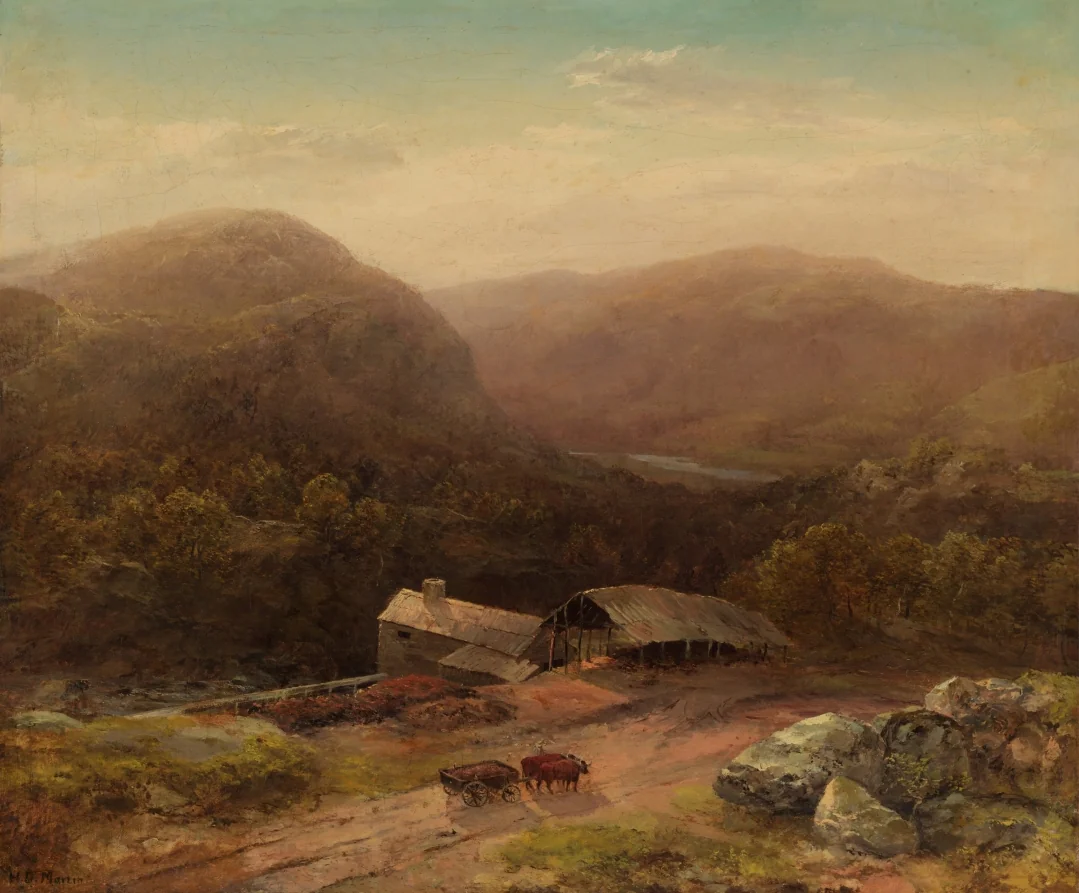
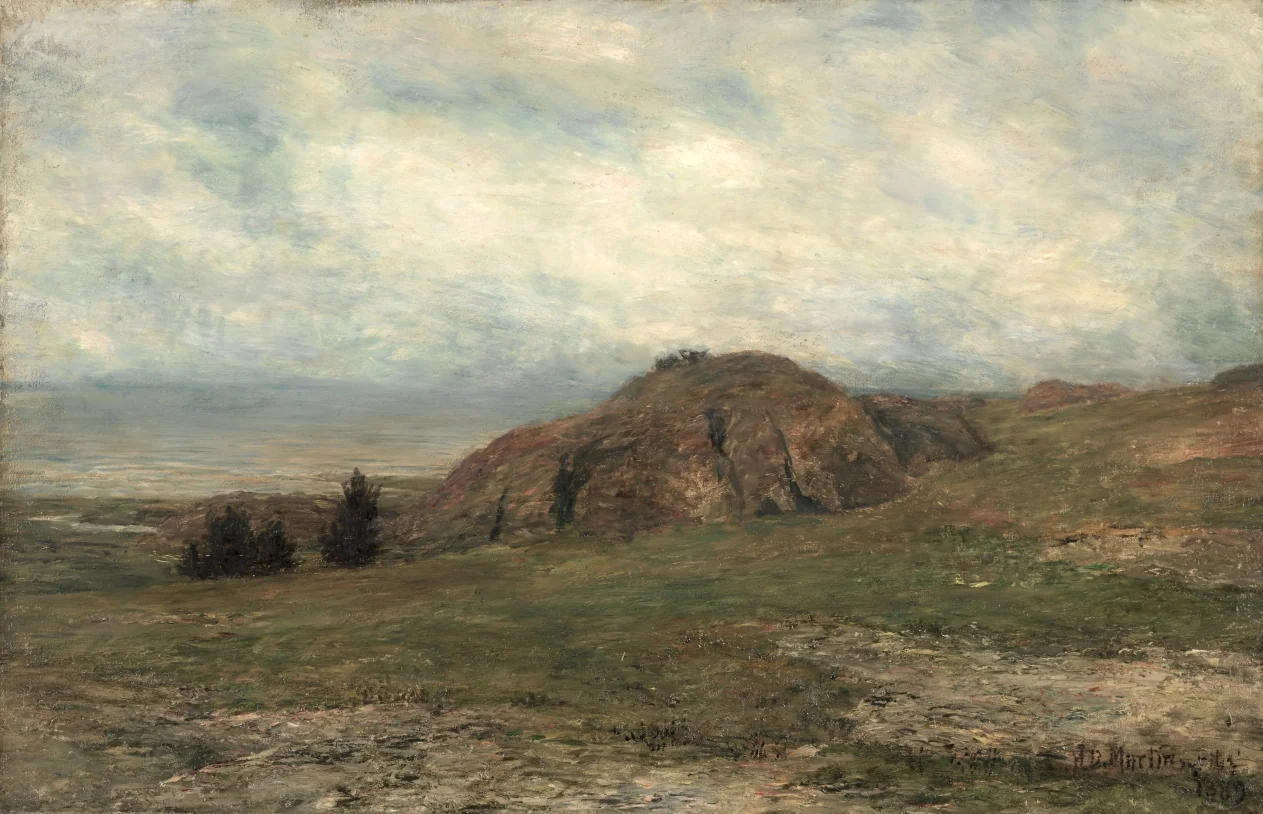
Homer Dodge Martin (1836-1897) was an American landscape painter whose career traced the arc from Hudson River School influence through Barbizon-inspired Tonalism to an almost proto-Abstract Expressionist late style. Wild Coast, Newport dates from his most productive period, when he was synthesizing the atmospheric landscape of the Barbizon painters with the rugged American coastal scenery that was his native subject. The Newport coast — with its dramatic rock formations, crashing surf, and variable New England weather — gave Martin a subject that matched the energy of his brushwork and the melancholy of his color.
Cultural Impact
Newport, Rhode Island was one of the most fashionable resort destinations in Gilded Age America, but Martin's Newport is not the Newport of mansions and society. His Wild Coast depicts the untamed shoreline where the Atlantic meets granite — a subject that connects him to the American landscape tradition of Winslow Homer and the rocky-coast painters of New England rather than to the social world of the Newport cottages.
Why It Matters
Wild Coast, Newport is Martin finding the wild in one of America's most fashionable resorts: the rocky Atlantic shore where mansions and manners are irrelevant and the only subject is the meeting of stone and sea. The painting's atmospheric handling anticipates the radical simplifications of his late work.